As an Amazon Associate, WasteZero earns from qualifying purchases. Some links on this page are affiliate links, at no extra cost to you.
World Cup 2026 runs from June to July across 48 matches in 16 host cities — a massive global event with a correspondingly large environmental footprint. For fans watching from home in Europe, the direct environmental impact of viewing is smaller than attending in person, but it’s not zero.
Here’s how to watch World Cup 2026 more sustainably — from your viewing setup to the parties you host to the merchandise you buy.
Your TV and Viewing Setup
Use the Screen You Already Have
The most sustainable screen is the one you already own. Buying a new TV specifically for the World Cup — even a supposedly “energy-efficient” one — typically produces more carbon in manufacturing than years of additional electricity use from your existing TV.
If your existing TV works, use it. If you’re going to a friend’s or hosting at home, use whatever screens are already available in the household.
Adjust Your Brightness Settings
Most TVs ship with brightness settings calibrated for showroom floors — far brighter than needed in a home environment. Reducing brightness to 50-70% of maximum typically reduces TV power consumption by 20-40% with no perceptible quality loss in a normally lit room. This is one of the easiest no-cost changes you can make.
Enable Energy Saving Mode
Most modern TVs have an energy saving or eco mode in the settings menu. Enabling this adjusts brightness dynamically based on room light and can significantly reduce power draw. Set it once and leave it.
Watch Together
Watching at a friend’s house or hosting a viewing party for several people divides the energy cost of the viewing setup across multiple people. One TV running for 90 minutes for 8 people is far more efficient per person than 8 TVs each running for 90 minutes. This is one reason viewing parties are inherently more sustainable than watching alone — especially if everyone would otherwise be watching on separate screens at home.
Hosting Sustainably
Zero Waste Party Setup
The biggest sustainability impact of a home viewing party comes from the food and drink setup, not the electricity. Single-use plastic cups, pre-packaged snacks, and non-recyclable decorations generate most of the waste from a typical viewing party.
For a full guide, see our article on how to host a zero waste World Cup viewing party — covering cups, food, decorations, and drinks in detail.
Food: Make Over Buy
Homemade party food from loose ingredients generates a fraction of the packaging waste of pre-packaged snacks. Homemade hummus and guacamole with market vegetables and bakery bread beats a table full of crisp bags on every measure — waste, taste, and cost. See our eco-friendly World Cup snack guide for specific ideas.
Fan Merchandise
World Cup merchandise is one of the most significant consumer sustainability issues around any major tournament. Millions of replica kits, flags, scarves, and accessories are produced, used for a few weeks, and discarded.
The sustainable hierarchy for fan gear:
- Use what you already have — an old shirt or scarf from a previous tournament is the most sustainable option
- Buy secondhand — Vinted, Depop, and eBay have large stocks of national team kits at low prices
- Choose recycled materials if buying new — Nike Move to Zero and Adidas Primegreen kits use recycled polyester
- Skip the single-use accessories — plastic flags, foam hands, and cheap scarves go straight to landfill after the tournament
Full details in our guide to sustainable football fan gear for 2026.
Getting to Watch Parties
For matches watched at pubs, fan zones, or friends’ homes, how you get there makes a difference. Public transport, cycling, or walking to nearby watch locations eliminates the transport footprint entirely. For groups going the same direction, carpooling divides the emissions.
If you’re in a city with a designated fan zone, walking or cycling and spending the evening there — rather than hosting or attending multiple smaller parties — is often both more fun and lower impact.
The Bigger Picture
The direct environmental impact of watching football from home is modest relative to other lifestyle factors. The bigger sustainability questions around the World Cup relate to infrastructure, travel, and FIFA’s broader environmental commitments — things outside an individual viewer’s control.
What individual fans can control: the waste from parties, the merchandise they buy, and how they get to watch venues. These are small but real choices, and at scale — across millions of European fans watching 64 World Cup matches — they add up.
Watching sustainably doesn’t mean watching joylessly. It means making the easy swaps where they exist — reusable cups, homemade food, secondhand gear — and enjoying the tournament.
Gear Worth Considering
A couple of real products that fit directly with what this guide covers:
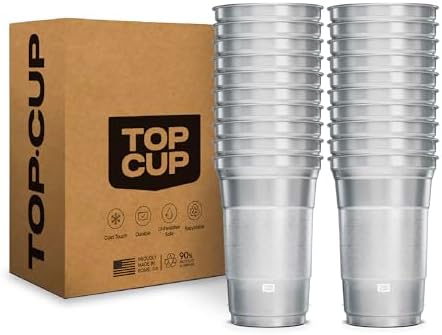
- NEW NAME. SAME COLD CUP. Still made in the same U.S. facility—just rebranded for people who know how to party sustainabl…
- MADE IN THE USA. BUILT FOR US ALL. Proudly made in Rome, Georgia. Crafted from lightweight, durable aluminum that shows …
- ICE-COLD TO THE TOUCH. Aluminum chills fast and stays cold. Every sip feels crisp, refreshing, and ready for the next to…
If you’re hosting a World Cup watch party, these reusable aluminum cups cut down on the disposable waste single-use plastic cups generate.

- 【Durable and Eco-friendly】Rubtlamp Wheat Straw Dinnerware Sets are made from premium wheat straw material, ensuring dura…
- 【Versatile and Convenient】This 16PCS plastic dinnerware set is perfect for a family of 4. The set includes plates and bo…
- 【Unbreakable and Microwave Safe】Made from unbreakable wheat straw and microwave-safe materials, our dinnerware set offer…
If you’re hosting a World Cup viewing party, this wheat straw dinnerware set offers a reusable alternative to disposable plates and bowls.
🌿 Get Your Eco-Swaps Delivered Free
Try Amazon Prime free for 30 days — fast free delivery on sustainable essentials, plus Prime Video and more. Cancel anytime.
Start Your Free Prime TrialAs an Amazon Associate we earn from qualifying purchases.