World Cup viewing parties are notorious for one thing beyond football: piles of crisp packets, dip tubs, and snack wrappers. Most party food in Europe comes heavily packaged — and most of that packaging goes straight to the bin.
Here are the best eco-friendly World Cup snack ideas for your 2026 party — good food, minimal packaging, and a lot more interesting than a bag of supermarket crisps.
The Problem with Standard Party Snacks
A typical European party snack spread looks something like this: multiple bags of crisps (multilayer plastic, not recyclable), individually wrapped cheese portions, plastic tubs of dips, packs of cocktail sausages in plastic trays. Almost none of it is recyclable or compostable.
The alternative isn’t about sacrifice — it’s about better food that happens to produce less waste.
Eco-Friendly World Cup Snack Ideas
Homemade Dips — Zero Packaging, Better Taste
Homemade dips are the single biggest win for eco-friendly party food. A pot of hummus from a tin of chickpeas, a jar of tahini, lemon, and garlic produces almost no waste and costs less than a supermarket version. The same goes for:
- Guacamole — 3 avocados, lime, coriander, red onion, salt. Compostable packaging only.
- Tzatziki — Greek yoghurt from a glass jar, cucumber, garlic, dill
- Salsa — ripe tomatoes, chilli, onion, coriander from loose produce
- Baba ganoush — roasted aubergine, tahini, garlic — great for football watching because it can be made hours ahead
Loose Vegetables and Bread for Dipping
Instead of packaged crackers, buy bread from a bakery (no plastic packaging needed if you bring your own bag) and cut into pieces. Loose vegetables from the market — carrots, cucumber, celery, peppers — produce almost no waste and pair perfectly with homemade dips. A big chopped vegetable platter is visually impressive and costs less than the packaged equivalent.
Bulk Nuts and Dried Fruit
Bulk section nuts, mixed seeds, and dried fruit from zero waste shops or market stalls produce virtually no packaging. Decant into bowls — roasted chickpeas, salted almonds, cashews, dried mango — for a snack spread that looks abundant and generates almost nothing for the bin.
If you don’t have a bulk section nearby, buying nuts in cardboard boxes rather than individual snack bags significantly reduces packaging. Cardboard is widely recyclable; most crisp-packet multilayer plastic is not.
Homemade Pizza or Flatbreads
A big homemade pizza or a tray of flatbreads is excellent World Cup party food — easy to eat standing up, shareable, and almost completely zero waste if you make the dough yourself. Use loose toppings from the market: fresh tomatoes for sauce, cheese from the deli counter, vegetables from loose produce. The only packaging might be the flour bag, which is usually paper.
Cheese and Charcuterie From the Counter
Deli counter cheese and meat generate a fraction of the packaging of pre-packaged equivalents — often just a small piece of paper. Bring your own container and most delis across Europe will fill it. A selection of cheeses and cured meats from the counter, arranged on a board with loose olives, is a natural centrepiece for any World Cup party spread.
Seasonal Fruit
June and July bring excellent seasonal fruit across much of Europe — strawberries, cherries, apricots, peaches. A big bowl of seasonal fruit from a market stall produces almost no waste and provides a welcome contrast to savoury snacks during a long match. Buy loose, not packaged in plastic punnets.
What to Do With Leftovers
One advantage of homemade party food: leftovers are actually good. A pot of leftover hummus keeps in the fridge for 5 days. Guacamole keeps overnight with the stone in and cling film pressed against the surface. Leftover bread can be toasted or frozen.
Any unavoidable food scraps — vegetable peelings, avocado stones, citrus rinds — go to the compost bin. An eco-friendly party has almost no food waste going to landfill.
Shopping Tips for Zero Waste Party Food
- Shop at a market or zero waste shop the day before — loose produce and bulk items need to be reasonably fresh
- Bring your own bags, containers, and jars — most loose food vendors in Europe are used to customers bringing their own
- Plan quantities realistically — overbuying is a form of food waste even if packaging is minimal
- If you must buy packaged items, choose glass jars (recyclable) over plastic tubs, and cardboard over multilayer plastic
Recommended Product
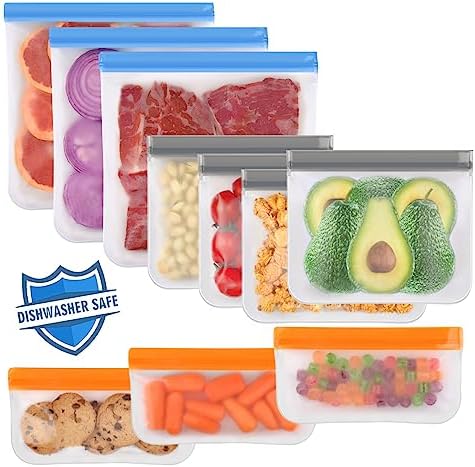
- [DISHWASHER SAFE] Why bother with hand washing the reusable bags when you have a dishwasher? Thanks to innovative upgrad…
- [LEAKPROOF & AIRTIGHT] These reusable gallon freezer bags will give you absolute confidence to hold liquids or sauces. B…
- [RECYCLABLE & ECONOMICAL] Our reusable gallon bags are both recyclable and designed for long-term use, one of our bags c…
Lerine 10 Pack Reusable Freezer Bags Dishwasher Safe, Food Storage Bag
🌿 Get Your Eco-Swaps Delivered Free
Try Amazon Prime free for 30 days — fast free delivery on sustainable essentials, plus Prime Video and more. Cancel anytime.
Start Your Free Prime TrialAs an Amazon Associate we earn from qualifying purchases.