As an Amazon Associate, WasteZero earns from qualifying purchases. Some links on this page are affiliate links, at no extra cost to you.
Many people equate zero waste with recycling — sort your bins, put out the right colour, job done. But recycling and zero waste are not the same thing. Understanding the difference changes how you approach reducing your environmental impact.
What Recycling Actually Is
Recycling is the process of collecting used materials — glass, paper, certain plastics, metals — and processing them to create new products. It is a genuine good: recycling aluminium, for example, uses 95% less energy than producing it from raw ore.
But recycling has significant limitations that are not often discussed:
- Not everything is recyclable. Mixed materials, contaminated items, and many plastic types cannot be processed. In most European countries, only 40-50% of household waste is actually recycled.
- Recycling degrades material quality. Paper can only be recycled 5-7 times before the fibres become too short. Most plastics are “downcycled” into lower-grade products — not back into the same thing.
- Recycling still uses energy. Collection, sorting, processing, and remanufacturing all require energy and water. It is far better than landfill, but it is not without impact.
- Recycling does not reduce demand. If you buy something, use it once, and recycle it, you still created demand for a new product to replace it. Recycling addresses the end of the product’s life — not the beginning.
What Zero Waste Actually Is
Zero waste is a philosophy that works upstream of recycling. It asks: how do we avoid creating waste in the first place?
The framework is the 5 Rs, in order of priority:
- Refuse — Do not accept what you do not need. Free plastic bags, promotional items, single-use cutlery.
- Reduce — Buy less. Choose quality over quantity. Consume more deliberately.
- Reuse — Use reusable bags, bottles, containers, and packaging. Buy secondhand. Repair things.
- Recycle — When you do have waste, recycle it properly.
- Rot — Compost organic waste rather than sending it to landfill.
Recycling is fourth on the list. It is important — but it is the backup, not the strategy.
The Problem With “Recyclable” Packaging
Marketing has created a widespread misunderstanding: if something says “recyclable” on the label, many people assume the problem is solved. It is not.
“Recyclable” means the material is capable of being recycled under the right conditions — not that it will be recycled. In practice, recycling rates for many materials are well below 50%. And “technically recyclable” often means recyclable only at specialist facilities that do not exist in most cities.
A product labelled “recyclable” that ends up in general waste because the consumer is confused about sorting rules achieves nothing. A reusable product needs no such system.
Where Recycling Genuinely Wins
This is not an argument against recycling — it is an argument for understanding where it fits. Recycling is genuinely valuable for:
- Metals — Aluminium and steel can be recycled repeatedly without quality loss. Always recycle tins and cans.
- Glass — Endlessly recyclable without quality degradation. Excellent to recycle; even better to reuse (bring your own glass containers where possible).
- Paper and cardboard — High recycling rates across Europe. Buy recycled paper products and recycle properly.
- Certain plastics — Plastics 1 (PET) and 2 (HDPE) have the strongest recycling infrastructure in Europe. Check your local sorting guidance.
A Practical Way to Think About It
Think of zero waste and recycling as a hierarchy, not a choice between two alternatives:
| Approach | Where It Acts | Effectiveness |
|---|---|---|
| Refuse / Reduce | Before the product is bought | Highest — prevents waste being created |
| Reuse / Repair | During the product’s life | High — extends useful life, delays disposal |
| Recycle | After the product is used | Moderate — recovers material value but with losses |
| Landfill / Incineration | End of life | Lowest — material value lost, emissions created |
The further up the hierarchy you act, the greater the impact. Recycling is vastly better than landfill — but refusing to buy something you do not need beats both.
What This Means Day to Day
In practice, this means:
- Keep recycling — but do it correctly and do not use it as a reason to buy more
- Question purchases before making them, not just how to dispose of them afterwards
- Choose reusable products over single-use “recyclable” ones wherever practical
- Compost organic waste — it should not go in general waste or even recycling
- Reduce overall consumption, which reduces both the waste created and the demand for new production
Recycling is part of a zero waste life — just not the most important part. It sits near the bottom of the priority list for good reason. Start higher up, and recycle what remains.
Further reading: zero waste (Wikipedia)
Gear Worth Considering
A couple of real products that fit directly with what this guide covers:

- 🍏 LIGHTWEIGHT AND STRONG: The weight of these reusable vegetable bags for refrigerator is among the lowest on the market…
- 🍏 ECO-FRIENDLY AND REUSABLE: These kitchen reusable grocery bags are zero waste and fully biodegradable. Forget about an…
- 🍏 FUNCTIONAL, PORTABLE AND COLOR CODED: These organic bags are SUPER LIGHT considering they are made from cotton. There …
These washable cotton produce bags cut demand for single-use plastic bags at the source, addressing the post’s point that recycling alone doesn’t reduce consumption.
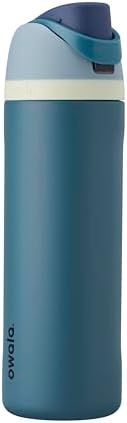
- 24-ounce insulated stainless-steel water bottle with a FreeSip spout and push-button lid with lock
- Patented FreeSip spout designed for either sipping upright through the built-in straw or tilting back to swig from the s…
- Protective push-to-open lid keeps spout clean; convenient carry loop doubles as a lock
A reusable steel bottle like this reduces demand for single-use plastics, addressing the root cause zero waste targets rather than just recycling.
🌿 Get Your Eco-Swaps Delivered Free
Try Amazon Prime free for 30 days — fast free delivery on sustainable essentials, plus Prime Video and more. Cancel anytime.
Start Your Free Prime TrialAs an Amazon Associate we earn from qualifying purchases.