
Reusable Cups for Your World Cup Party: Best Options and How to Make It Work
Ditch the single-use plastic cups at your World Cup party. Here are the best reusable cup options — from borrowing glasses to stainless steel tumblers.
Zero Waste Living focuses on practical, eco-friendly habits that help reduce waste in everyday life. Discover sustainable alternatives, reusable products, recycling tips, and low-waste lifestyle ideas to minimize environmental impact and live more responsibly.
Ditch the single-use plastic cups at your World Cup party. Here are the best reusable cup options — from borrowing glasses to stainless steel tumblers.

World Cup 2026 fan gear doesn’t have to mean fast fashion waste. Here’s how to support your team sustainably — secondhand kits, recycled materials, and better alternatives.

Hosting a World Cup 2026 viewing party? Here’s how to do it without the plastic waste — cups, food, decorations, and drinks all covered.

Starting your zero waste journey in Europe? This beginner guide covers the highest-impact swaps for kitchen, bathroom and shopping — with a free plastic-free checklist.
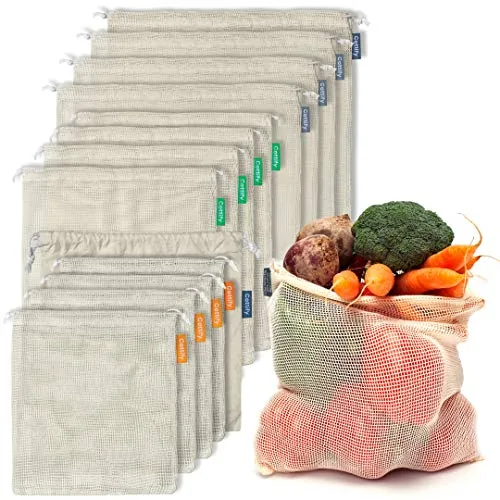
Recycling and zero waste are not the same thing — and confusing them is one of the most common mistakes eco-conscious consumers make. Here is how they differ and how they work together.
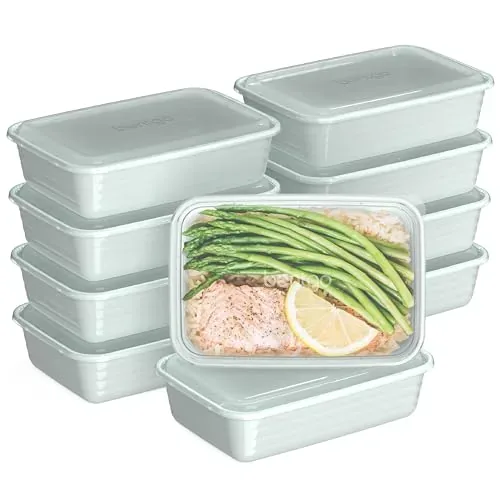
The average European household wastes 129kg of food per person per year — and most of it is preventable. These 20 practical tips cover shopping, storage, freezing, and composting to cut your food waste significantly.
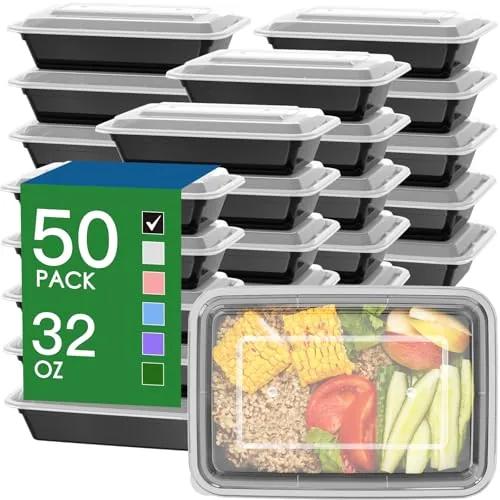
A circular economy keeps products and materials in use as long as possible — the opposite of the take-make-dispose model we’ve relied on for decades. Here’s what it means for everyday life in Europe.
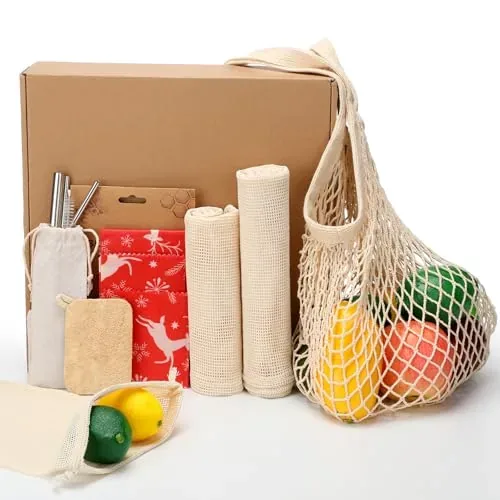
A complete guide to zero waste living in Europe — practical steps, the best products, and realistic tips for reducing your household waste to near zero in 2026.

Ready to live greener in Europe? Discover easy tips to save money and help the planet, without sacrificing the comforts you love.