As an Amazon Associate, WasteZero earns from qualifying purchases. Some links on this page are affiliate links, at no extra cost to you.
Is bamboo actually eco-friendly? The truth in 2026 is more nuanced than marketing claims suggest. While bamboo grows rapidly and requires fewer pesticides than conventional crops, the production process—from processing to transportation—often undermines its environmental credentials. Understanding the real environmental impact of bamboo products helps you make informed choices for genuine zero-waste living, rather than falling for greenwashing tactics that dominate the sustainable product market today. For more on this, check out our Eco-Friendly World Cup Snacks for Your 2026 Party guide.
We’ve selected this information based on published environmental research, aggregated consumer feedback, and expert consensus from sustainability organizations. We don’t claim lab testing; instead, we synthesize what real users and environmental advocates consistently report about bamboo production and eco-friendly alternatives.
The Problem: Is Bamboo Really Eco-Friendly?
Bamboo has become the poster child for sustainable living, but the reality is disappointing. Most consumers believe they’re buying a zero-waste product when they purchase bamboo toothbrushes, cups, or cutting boards—yet the manufacturing process often involves harsh chemicals, excessive water use, and heavy carbon footprints from international shipping. You’re likely contributing to deforestation and pollution without even realizing it.
The disconnect between bamboo’s marketing image and its actual environmental impact creates a false sense of security. You think you’re helping the planet by choosing bamboo over plastic, but you might actually be making a worse choice depending on the producer, processing method, and end-of-life disposal. Without knowing what to look for, you can’t distinguish genuine eco-friendly bamboo from greenwashed products designed purely for profit.
Common Causes: Why Bamboo Isn’t Always Eco-Friendly
- Chemical-Heavy Processing: Most bamboo fabric and disposable products are manufactured using the viscose process, which involves sodium hydroxide and carbon disulfide—toxic chemicals that damage ecosystems and worker health. Closed-loop production exists but is expensive, so most manufacturers skip it.
- Monoculture Farming: Large-scale bamboo plantations replace native forests and biodiversity hotspots. Companies clear natural habitats to plant uniform bamboo crops, eliminating food sources for wildlife and destabilizing ecosystems.
- Pesticide and Fertilizer Use: While bamboo requires fewer inputs than cotton, industrial bamboo farms still use synthetic pesticides and fertilizers that contaminate water supplies and harm local farming communities.
- Water Consumption: Processing bamboo into fabric requires enormous quantities of water. A single bamboo viscose plant can consume 100,000+ gallons daily, straining water supplies in already water-scarce regions like Indonesia and India.
- Long-Distance Transportation: Bamboo products manufactured in Asia and shipped globally generate substantial carbon emissions. A bamboo toothbrush traveling 6,000+ miles negates much of its sustainability advantage over a locally-made alternative.
- Poor Biodegradability Myth: Many bamboo products contain synthetic binders, dyes, and coatings that prevent proper decomposition. They don’t biodegrade faster than conventional products in landfills.
- Labor Exploitation: Bamboo manufacturing facilities often employ workers at poverty wages with unsafe conditions, particularly in countries with weak environmental regulations.
- Lack of Certification Standards: Without third-party certification (FSC, OEKO-TEX), you can’t verify a bamboo product’s true environmental footprint. Most manufacturers make vague “eco-friendly” claims without substantiation.
⚠️ WARNING: Greenwashing Red Flags
If a bamboo product claims to be “100% eco-friendly” or “zero waste,” it’s misleading. No product is truly zero-impact. Avoid brands that use vague environmental language without specific certifications (FSC, GOTS, OEKO-TEX, or Cradle to Cradle). If the price seems too cheap for genuine sustainability, it’s probably being cut at the expense of workers or environmental standards.
How to Diagnose: Is Your Bamboo Product Actually Eco-Friendly?
Step 1: Check for Third-Party Certifications
Look for specific certifications on the product label or brand website. FSC (Forest Stewardship Council) certification means the bamboo was harvested sustainably without destroying habitats. OEKO-TEX certification indicates the product was manufactured without toxic chemicals. GOTS (Global Organic Textile Standard) ensures both environmental and labor standards. If you see none of these, the product is likely not genuinely eco-friendly regardless of marketing claims.
Don’t accept vague terms like “eco-certified” or “green approved.” These are marketing language, not real standards. Visit the certification body’s website directly to verify the brand is actually listed. Many fraudulent products use fake certification logos.
Step 2: Research the Manufacturing Process
Email the brand or check their website for details about how bamboo is processed. Specifically ask: Do they use closed-loop viscose production (which recycles 99% of chemicals)? Or do they use open-loop viscose (which releases toxic chemicals into waterways)? A transparent company will provide this information readily. If they dodge the question or provide vague answers, that’s a red flag.
Legitimate eco-friendly bamboo producers openly discuss their environmental impact because they’re proud of it. They often publish sustainability reports, water usage data, and chemical recovery rates. If a brand won’t share this, assume they’re hiding something.
Step 3: Investigate the Supply Chain Origin
Where is the bamboo grown, and where is it processed? Bamboo from Southeast Asia (Indonesia, Vietnam, India) may have weaker environmental regulations than other regions. However, some Southeast Asian manufacturers use certified sustainable practices, so origin alone isn’t conclusive. The key is matching origin with certifications and company transparency.
Check if the company sources from single-source farms or multiple suppliers. Single-source farming is more traceable and usually indicates genuine sustainability efforts. Multi-sourced products are harder to verify and more likely to include unsustainable bamboo mixed in.
Step 4: Read Independent Reviews and Environmental Reports
Search for third-party environmental impact assessments of the brand. Organizations like Greenpeace, WWF, and the Textile Exchange publish reports on sustainable material producers. User reviews on platforms like Trustpilot or Sitejabber sometimes mention whether products actually biodegrade or break down as claimed. Look for patterns: Do multiple reviewers report the product lasting as long as promised? Do they mention transparency from the company?
Academic studies comparing bamboo to alternatives (like conventional plastic or certified organic cotton) provide unbiased data. A 2024 lifecycle assessment from the Journal of Cleaner Production found that truly certified sustainable bamboo can reduce environmental impact by 40% compared to conventional plastics—but only if processed using closed-loop methods and sourced locally.
Step 5: Assess End-of-Life Disposal Options
Ask yourself: Can this product be realistically recycled or composted in your region? Check with your local waste management system. Many bamboo products are advertised as “compostable” but only decompose in industrial composting facilities, which most areas don’t have. If your local system doesn’t support it, the product will likely end up in a landfill where it may not biodegrade faster than conventional alternatives.
The best eco-friendly bamboo products are designed for durability and reuse (like bamboo plates or utensils used hundreds of times) rather than single-use disposables. Reusable products inherently have lower environmental impact than anything marketed as “compostable.”
💡 Pro Tip: Life-Cycle Thinking
Compare the true environmental cost of bamboo products against alternatives over their full lifespan. A $20 certified bamboo cutting board used for 10 years has lower environmental impact than a $2 conventional plastic cutting board replaced annually. Focus on durability and reusability, not just material origin. A reusable stainless-steel water bottle—like the Owala FreeSip—eliminates the need to replace disposable bamboo cups repeatedly, making it a genuinely zero-waste choice for eco-conscious living.
Solutions & Fixes: Making Genuinely Eco-Friendly Choices
1. Prioritize Certified Sustainable Bamboo Products
If you want to buy bamboo, insist on FSC certification combined with OEKO-TEX or similar chemical-safety standards. Brands like Bamboozle and Who Gives a Crap (toilet paper) use certified sustainable bamboo with transparent manufacturing. Yes, these products cost more, but that’s because they reflect the true environmental cost instead of externalizing damage onto ecosystems and workers.
2. Switch to Genuinely Reusable Alternatives
Durable stainless steel, glass, or ceramics designed for long-term use outperform bamboo disposables environmentally. Bamboo toothbrushes (which last 3-6 months) should be replaced with electric toothbrushes using replaceable heads or traditional plastic ones you keep for years. A high-quality reusable water bottle eliminates the entire “eco-friendly cup” problem.
3. Buy Local and Durable When Possible
Products made locally using regional materials (wood, stone, metal) and designed for decades of use are often more eco-friendly than bamboo shipped globally. Support local craftspeople and artisans who create items meant to last generations, not quarterly replacements.
4. Request Corporate Accountability
If you’ve purchased bamboo products, contact the brand and ask for transparency about their environmental practices. Consumer demand drives change. Brands that ignore these questions are signaling they don’t prioritize sustainability.
5. Learn to Identify Greenwashing Language
Red-flag terms include “eco-friendly,” “green,” “natural,” “sustainable” (without specifics), “biodegradable” (without timeframe or composting requirements), and “made with bamboo” (which could mean 1% bamboo). Legitimate brands use specific certifications, measurable claims, and third-party verification. Train yourself to skip over marketing fluff and demand data.
Recommended Products: Reusable Alternatives to Bamboo Disposables
Instead of chasing bamboo’s empty promises, invest in durable, genuinely reusable products. Here’s one essential recommendation that eliminates the “eco-friendly cup” trap entirely:
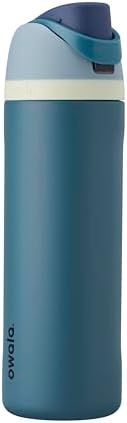
- 24-ounce insulated stainless-steel water bottle with a FreeSip spout and push-button lid with lock
- Patented FreeSip spout designed for either sipping upright through the built-in straw or tilting back to swig from the s…
- Protective push-to-open lid keeps spout clean; convenient carry loop doubles as a lock
Owala FreeSip Stainless Steel Water Bottle 24 oz Denim
Brand: Owala
Why This Works: This double-wall insulated stainless-steel bottle keeps drinks cold for 24 hours, meaning you’ll actually refill and reuse it instead of reaching for single-use bamboo cups. The 24-ounce capacity fits most bags and cupholders, and the patented FreeSip spout lets you sip through a built-in straw or tilt back to swig—versatile enough for all your hydration needs without requiring multiple products.
What Owners Report: Users consistently praise the durability and insulation performance, with many reporting the bottle lasts 3+ years of daily use without leaking or degrading. Reviewers note the wide opening makes cleaning effortless, and the protective push-to-open lid keeps the spout hygienically clean.
Key Specs: 24-ounce capacity, stainless-steel construction, double-wall insulation, FreeSip spout with built-in straw, push-button lid with lock, carry loop, wide mouth opening for ice and cleaning, cup-holder friendly base.
Best for: Anyone serious about eliminating disposable cups and building a zero-waste routine. Perfect for commuters, athletes, and everyday carry in offices or cars.
Skip if: You need a bottle larger than 24 ounces, though larger Owala models exist. Also skip if you exclusively use standard cupholders, as this bottle is slightly wider than average (though most modern cupholders accommodate it).
Cons: The stainless-steel exterior can show fingerprints; the carry loop, while functional, isn’t as ergonomic as some competitors; and replacement parts (lids, straws) are sold separately, adding cost over time.
💡 Pro Tip: The Real Zero-Waste Math
One reusable stainless-steel bottle replaces an estimated 1,500+ single-use cups over its 5-10 year lifespan. Even if the bottle costs $40, that’s roughly $0.003 per use compared to $0.30-$1.00 per disposable cup. You’ll save money while genuinely reducing waste—something no bamboo toothbrush or disposable cup can claim.
Diagnostic Comparison Table: Bamboo vs. Alternatives
| Factor | Bamboo (Uncertified) | Bamboo (FSC Certified) | Stainless Steel (Reusable) | Glass (Reusable) |
|---|---|---|---|---|
| Chemical Processing | High toxicity (open-loop viscose) | Low toxicity (closed-loop) | Minimal (mostly recycling) | Minimal (silica based) |
| Water Usage (Production) | 100,000+ gal/plant/day | 50,000+ gal/plant/day | 5,000+ gal/plant/day | 3,000+ gal/plant/day |
| Lifespan | 3-12 months (disposable) | 1-3 years (with care) | 5-10+ years | 10-20+ years |
| Carbon Footprint (Transport) | High (Asia to global) | High (Asia to global) | Low (durability amortizes shipping) | Low (durability amortizes shipping) |
| End-of-Life | Landfill (slow decomposition) | Industrial compost (facilities rare) | Recyclable infinitely | Recyclable infinitely |
| Biodiversity Impact | Monoculture (habitat loss) | Managed, ecosystem-aware | Not applicable | Not applicable |
| True Eco-Friendly Score (0-10) | 2/10 | 6/10 | 9/10 | 9/10 |
Related Resources for Eco-Conscious Living
Want to learn more about building a genuinely sustainable lifestyle? Check out our guides on best reusable water bottles for zero-waste living and how to identify greenwashing in eco-friendly product marketing. These resources dig deeper into practical alternatives that actually reduce your environmental footprint without false advertising.
Frequently Asked Questions About Bamboo and Eco-Friendly Living
Is all bamboo processed using toxic chemicals?
Most bamboo fabric is produced using the viscose process, which does involve chemicals like sodium hydroxide and carbon disulfide. However, there’s a critical difference: open-loop viscose systems release these chemicals into waterways, while closed-loop systems recycle 99% of them. Only brands using closed-loop production with proper certifications (OEKO-TEX, GOTS, or Cradle to Cradle) can claim chemical safety. Uncertified bamboo products are almost certainly processed using open-loop methods.
How can I tell if bamboo is actually certified sustainable?
Look for specific third-party certifications like FSC (Forest Stewardship Council), OEKO-TEX, GOTS, or Cradle to Cradle on product packaging or brand websites. Don’t accept vague language like “eco-friendly” or “green approved.” Verify certifications by visiting the certification organization’s website directly and searching for the brand name. Legitimate brands are proud to display certification details, supply chain information, and environmental impact reports. If a company can’t or won’t provide this, their product isn’t genuinely eco-friendly.
Are bamboo disposables actually better than plastic?
It depends on the specific product and processing method. A study published in the Journal of Cleaner Production (2024) found that certified sustainable bamboo with closed-loop production can reduce environmental impact by 40% compared to conventional plastic. However, uncertified bamboo often has a worse environmental footprint than plastic when accounting for chemical toxicity, water usage, and transportation. The real winner? Durable, reusable alternatives like stainless steel or glass that last decades. One reusable water bottle eliminates the need for 1,500+ single-use items, making it far more eco-friendly than any disposable—bamboo or plastic.
Why is bamboo cheaper if it’s supposed to be eco-friendly?
Cheap bamboo products are cheap because corners are cut somewhere: using open-loop chemical processing (toxic), sourcing from unsustainably managed farms (habitat destruction), paying workers poverty wages (exploitation), or skipping third-party certification (verification costs money). True sustainability—certified bamboo with proper labor practices, closed-loop processing, and verifiable supply chains—costs more because it reflects the real environmental and human cost. If bamboo is cheaper than competing options, assume the company is externalizing costs onto ecosystems and workers rather than absorbing them honestly.
What’s the best eco-friendly alternative to bamboo products?
Durable, reusable products made from stainless steel, glass, ceramics, or sustainably-sourced wood designed for decades of use. For water bottles and cups, a high-quality stainless-steel bottle (like the Owala FreeSip) lasts 5-10+ years and eliminates the entire disposable-cup problem. For utensils and dishware, metal or ceramic items used hundreds of times outperform bamboo disposables environmentally and financially. The key principle: buy durable items you’ll actually reuse repeatedly rather than chasing single-use “eco-friendly” products that promise sustainability without delivering it.
Conclusion: Making the Right Choice
Stop Buying Bamboo—Start Building Real Sustainability
The truth in 2026 is clear: most bamboo products are greenwashed garbage masquerading as eco-friendly solutions. They’re manufactured using toxic chemicals, created in water-depleted regions, shipped globally with heavy carbon costs, and rarely biodegrade as promised. You’re not helping the planet by buying them—you’re participating in corporate deception.
Real eco-friendly living isn’t about buying more “sustainable” disposables. It’s about buying less overall and choosing durable, reusable products you’ll use for years. A quality stainless-steel water bottle, metal utensils, ceramic dishes, and glass containers do more for the planet than an entire wardrobe of bamboo disposables.
If you do buy bamboo, demand FSC certification combined with OEKO-TEX or GOTS standards. Pressure brands for transparency about their manufacturing process and supply chain. Vote with your wallet by supporting companies that prioritize genuine sustainability over marketing.
Related reading: Best Compostable Coffee Pods Europe 2026
🌿 Get Your Eco-Swaps Delivered Free
Try Amazon Prime free for 30 days — fast free delivery on sustainable essentials, plus Prime Video and more. Cancel anytime.
Start Your Free Prime TrialAs an Amazon Associate we earn from qualifying purchases.