As an Amazon Associate, WasteZero earns from qualifying purchases. Some links on this page are affiliate links, at no extra cost to you.
The average bathroom generates more plastic waste per square foot than any other room in your home. Shampoo bottles, conditioner, disposable razors, plastic toothbrushes, body wash bottles — most Europeans go through 15–25 plastic containers every year just from bathroom products alone. The good news: the bathroom is also the easiest room to go zero waste, because the swaps exist, they work just as well, and most of them actually save you money within 3–6 months. This guide covers the three most impactful swaps for beginners — the ones that are easy to start with and make an immediate difference. Pair this with our How to Reduce Food Waste at Home guide for the bigger picture.
📌 Key Takeaways
- Switching to a shampoo bar eliminates 1–2 plastic bottles per month — saving roughly 15–24 bottles per year
- A safety razor lasts a lifetime; you only replace the blade (~€0.25 each vs €3+ for cartridges)
- Bamboo toothbrushes biodegrade in 6 months; standard plastic ones take 400+ years
- These three swaps reduce bathroom plastic waste by 60–80% for most people
- All three products are widely available across Europe on Amazon.com and local zero-waste shops
⚡ Quick Picks — Best Zero Waste Bathroom Swaps
- 🧴 Best Shampoo Swap: HiBAR Solid Shampoo Bar — lasts 80 washes, no plastic packaging, works on all hair types
- 🪒 Best Razor Swap: Merkur 34C Safety Razor — lifetime handle, double-edge blades at €0.25 each, incredibly close shave
- 🪥 Best Toothbrush Swap: Bamboo Toothbrush (4-Pack) — biodegradable handle, BPA-free bristles, identical brushing performance
What to Know Before Making the Switch
Going zero waste in the bathroom works best when you start with products you run out of frequently. Shampoo and razors are used daily — switching these first gives you the fastest reduction in plastic waste. Toothbrushes are replaced less often (every 3 months) but every plastic toothbrush ever made still exists somewhere on earth.
Solid shampoo bars have a short adjustment period — your hair may take 1–2 weeks to adjust to the new formula as it rebalances oil production. This is normal. If you’ve been using silicone-heavy conventional shampoos, the transition is more noticeable. Don’t give up during the first two weeks.
Zero-waste alternatives almost always cost less over time, even if the upfront cost is higher. A Merkur safety razor costs €45–60 upfront but blades cost €0.25 each — vs €3–5 per replacement cartridge. Over 2 years, the safety razor saves most users €80–120.
Look for products free from sulfates, parabens, and synthetic fragrances. For European buyers, look for Ecocert, COSMOS Organic, or EU Ecolabel certification — these are verifiable standards, not just marketing claims. ‘Natural’ and ‘eco’ are unregulated terms in the EU.
Even ‘eco’ products can be shipped in excessive packaging. Check that the product ships in paper, cardboard, or compostable materials — not wrapped in plastic film inside a box. HiBAR ships completely naked or in paper; Merkur comes in a simple cardboard box.
Zero Waste Bathroom Swaps — Full Reviews
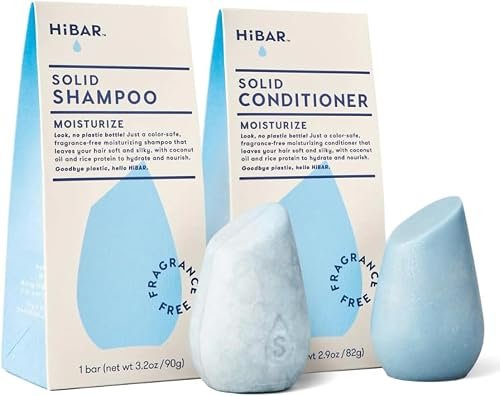
HiBAR has been one of the most talked-about zero-waste bathroom products for good reason. The formula is genuinely good — not ‘good for a bar shampoo,’ just good. Eighty washes from a single bar means you’re replacing a bottle of shampoo every 3–4 weeks with a bar every 2–3 months. The bar itself ships without any plastic, meaning zero packaging waste. Just be patient through the first two weeks of adjustment.
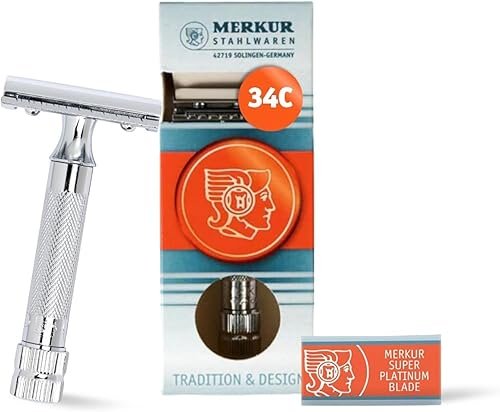
The Merkur 34C is what most safety razor reviewers recommend as the ideal starter razor — it’s heavy enough to guide itself through the stroke without needing pressure (the main technique adjustment from cartridge razors), and the chrome finish holds up for decades. The real change is blade cost: at €0.25 per blade, each shave costs a fraction of what cartridge users spend.
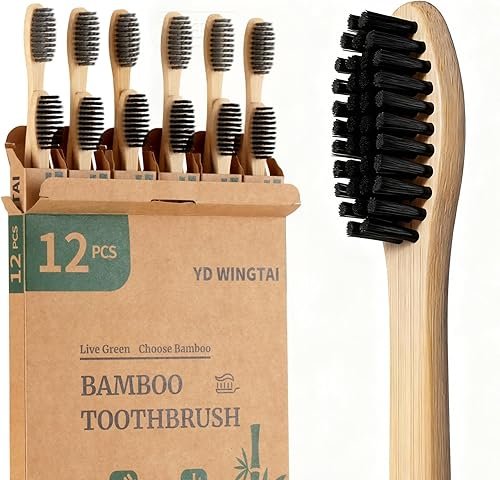
Bamboo toothbrushes have a reputation for being eco-theater — they look sustainable but work like any other toothbrush. That reputation is accurate: they work identically to plastic brushes. The difference is what happens when you throw them away. The bamboo handle breaks down in 6 months of home composting. Pull out the bristles first (they’re nylon — put in regular bin), then compost the handle.
Bathroom Swap Comparison
| Product | Rating | Plastic Replaced | Lifespan | Cost Over 2 Years |
|---|---|---|---|---|
| HiBAR Shampoo Bar | 4.4/5 ⭐ | 2–3 bottles/bar | 80 washes | ~€40 (vs €60+ liquid) |
| Merkur 34C Safety Razor | 4.6/5 ⭐ | ~48 cartridges | Lifetime handle | ~€70 (vs €150+ cartridges) |
| Bamboo Toothbrush 4-Pack | 4.4/5 ⭐ | 4 plastic brushes/pack | 3 months each | Similar to plastic options |
❓ Frequently Asked Questions
Is zero waste bathroom actually worth it?
Yes — both environmentally and financially. The three swaps in this guide (shampoo bar, safety razor, bamboo toothbrush) collectively eliminate 20–40 plastic items per year and typically save €80–150 over two years compared to conventional alternatives. The adjustment period is real but short, and most people who make the switch don’t go back.
How long does a solid shampoo bar last?
A quality shampoo bar lasts 60–100 washes, equivalent to 2–3 standard 250ml shampoo bottles. HiBAR specifically rates their bars at 80 washes. The key to longevity: let the bar dry completely between uses on a soap dish that drains — a wet bar left in the shower dissolves much faster.
Are shampoo bars good for all hair types?
Yes, but with different formulas. Oily hair typically responds well to most shampoo bars. Dry or curly hair benefits from more moisturizing bars with shea butter or coconut oil. Color-treated hair needs sulfate-free bars (HiBAR is sulfate-free). Fine hair may find some bars heavy — look for bars specifically labeled ‘volumizing’ or ‘for fine hair.’
How do I start zero waste in the bathroom?
The easiest approach: don’t throw out what you have. Use up existing products completely, then replace with zero-waste alternatives one at a time. Starting with whichever product you run out of first reduces waste (not adding to it) and keeps costs manageable. Most people start with shampoo or razors since these run out fastest.
Are zero-waste products more expensive?
Upfront, sometimes yes — but over 12 months, almost never. Safety razors cost €45–60 but the blades pay for themselves within 3–4 months vs cartridges. Shampoo bars cost slightly more per bar than budget shampoo but last 3x longer. The exception is bamboo toothbrushes, which are roughly cost-neutral to standard plastic brushes.
🏆 Final Verdict
For bathroom plastic waste, these three swaps deliver the biggest impact with the smallest lifestyle change. The HiBAR shampoo bar is the best place to start — it’s the product most people are most skeptical about and most pleasantly surprised by. The Merkur safety razor takes the most adjustment but offers the most dramatic long-term savings. Bamboo toothbrushes are the easiest swap of all — same brush, compostable handle, done. Start with one, get comfortable, then add the next. See our guide to best eco laundry detergent sheets for the next room to tackle.
Further reading: zero waste (Wikipedia)
🌿 Get Your Eco-Swaps Delivered Free
Try Amazon Prime free for 30 days — fast free delivery on sustainable essentials, plus Prime Video and more. Cancel anytime.
Start Your Free Prime TrialAs an Amazon Associate we earn from qualifying purchases.