Imagine cutting down your trash to almost nothing while saving money and helping the planet at the same time. That’s what living a zero waste lifestyle in Germany can do for you.
You might think it’s hard or time-consuming, but once you see how simple changes can make a big impact, you’ll want to try it yourself. This article will show you easy steps, local tips, and inspiring ideas to reduce waste in your daily life.
Ready to discover how you can make a difference right where you live? Keep reading and find out how zero waste living in Germany can fit into your world.

Credit: www.shutterstock.com
Zero Waste Basics
The zero waste lifestyle in Germany encourages people to reduce trash. It means using less plastic and avoiding waste. This way, communities help keep nature clean and healthy. Zero waste is about rethinking daily habits and making small changes.
Many Germans now choose reusable bags, bottles, and containers. They also prefer buying in bulk to cut packaging waste. The goal is to produce as little garbage as possible. This simple approach supports a cleaner environment and saves resources.
Core Principles
Zero waste follows five main rules: refuse, reduce, reuse, recycle, and rot. Refuse means saying no to items you don’t need. Reduce means buying less and choosing quality over quantity. Reuse encourages finding new uses for old things. Recycle means sorting waste properly for new products. Rot is about composting food scraps to enrich soil.
Benefits For Environment
Zero waste lowers pollution by cutting landfill and incineration. It saves energy and water used in making new products. Less waste means fewer chemicals harming air, water, and soil. Wildlife benefits from cleaner habitats without plastic and trash. The approach helps fight climate change by reducing greenhouse gases.
Zero Waste In German Culture
Zero waste is not just a trend in Germany. It is part of the culture. Many Germans care deeply about nature and resources. This respect has shaped how they live and consume. The idea of zero waste fits well with these values.
People in Germany often reduce waste, recycle, and reuse items. This helps protect the environment and saves money. The zero waste lifestyle is becoming more popular across all ages and cities.
Historical Roots
Germany has long valued order and efficiency. After World War II, resources were scarce. People learned to fix and reuse things instead of throwing them away. This habit grew into a strong culture of recycling.
Early recycling programs started in the 1970s. Citizens separated waste carefully at home. Laws encouraged reducing packaging and waste. This history laid the foundation for today’s zero waste mindset.
Current Trends
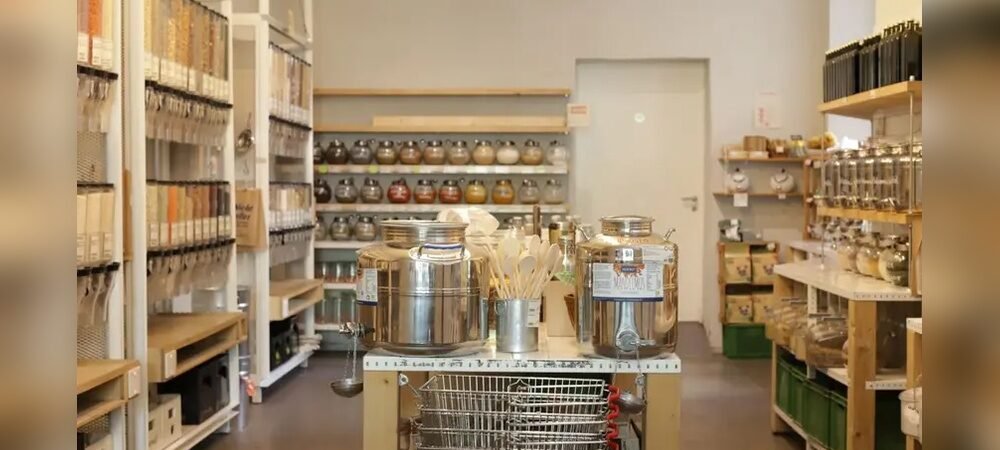
Today, many Germans shop with reusable bags and containers. Bulk stores where customers fill their own jars are common. Cities support bike use and public transport to reduce waste from cars.
Zero waste events and workshops attract many participants. People share tips on composting and avoiding single-use plastics. Schools teach children about sustainability early on.
Businesses also join the movement. They offer products with little or no packaging. Some restaurants serve food in reusable containers. The zero waste lifestyle is becoming a daily habit for many.
Waste Management Systems
Germany has a strong focus on managing waste carefully. The system helps reduce trash and supports recycling and reuse. People follow clear rules to separate their waste at home and in public places. This makes the entire process efficient and helps protect the environment.
Recycling Practices
Recycling in Germany is very organized. Citizens separate paper, plastic, glass, and organic waste into different bins. Special containers are placed in neighborhoods for easy access. This separation helps recycling centers process materials quickly and correctly. The system encourages people to recycle as much as possible.
Composting Options
Composting is common in Germany. Many households and communities compost food scraps and garden waste. Special bio-waste bins are provided for organic materials. Composting reduces landfill waste and creates natural fertilizer. People learn to use compost to help plants grow better.
Deposit Return Schemes
Deposit return schemes support recycling of bottles and cans. When buying drinks, customers pay a small deposit. After use, they return the containers to stores or machines. The deposit is refunded, encouraging people to bring back bottles. This system reduces litter and promotes reuse of materials.
Credit: www.youtube.com
Sustainable Shopping Tips
Sustainable shopping helps reduce waste and protect the environment. It supports local businesses and lowers your carbon footprint. Simple changes in shopping habits can make a big difference in living a zero waste lifestyle in Germany.
Bulk Stores
Bulk stores offer products without packaging. Bring your own containers to refill grains, nuts, and spices. This reduces plastic waste and saves money. Many bulk stores also sell eco-friendly cleaning products.
Plastic-free Packaging
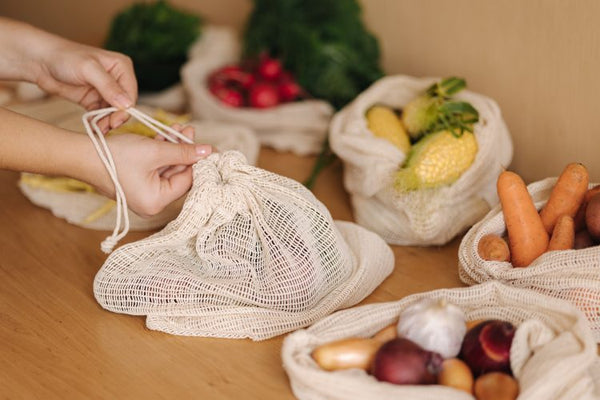
Choose items wrapped in paper, glass, or metal. Avoid single-use plastics like bags and bottles. Shops in Germany often provide plastic-free options. Carry reusable bags and jars for shopping trips.
Local Markets
Local markets offer fresh and seasonal produce. Farmers usually use less packaging and avoid plastic. Buying from local markets supports small farmers and reduces food miles. Visit markets regularly to find healthy and eco-friendly options.
Eco-friendly Home Habits
Living an eco-friendly life starts at home. Small changes in daily habits can lower waste and save resources. Many people in Germany adopt simple routines to live greener and cleaner. These habits help reduce trash and protect the environment.
Reducing Food Waste
Food waste is a big problem in many homes. Planning meals before shopping helps buy only what is needed. Storing food properly keeps it fresh longer. Using leftovers creatively stops good food from being thrown away. Composting scraps turns waste into useful soil for plants.
Diy Cleaning Products
Many store-bought cleaners contain harmful chemicals. Making your own cleaning products uses natural ingredients like vinegar, baking soda, and lemon. These are safe for the home and the environment. DIY cleaners reduce plastic waste from bottles. They are simple to make and save money.
Minimalist Living
Minimalist living means owning less and choosing quality over quantity. It reduces clutter and waste. Buying fewer, durable items lowers the need for replacements. Giving away or recycling unused things keeps them out of landfills. This lifestyle promotes mindful consumption and long-term savings.
Zero Waste Travel In Germany
Traveling in Germany with a zero waste mindset means reducing trash and protecting nature. Germany offers many ways to travel cleanly and sustainably. You can enjoy cities, countryside, and culture while leaving almost no waste behind.
Zero waste travel helps keep the environment safe. It also supports local businesses that care for the planet. Here are some tips on how to travel zero waste in Germany.
Public Transport Use
Germany has a strong public transport system. Trains, trams, and buses connect all parts of the country. Using public transport lowers pollution and cuts waste from cars. You can buy digital tickets to avoid paper waste. Many cities have bike rentals too. Riding bikes is another zero waste way to explore.
Eco Accommodations
Choose hotels or hostels that care for the environment. Many places use solar energy and save water. Some offer refill stations for toiletries to reduce plastic waste. Look for places that recycle and compost. Staying in eco-friendly accommodations supports green travel efforts.
Waste-free Packing
Packing smart helps avoid trash on the road. Bring reusable bottles, bags, and containers. Use cloth napkins instead of paper ones. Pack only what you need to reduce waste. Avoid single-use plastics like straws or cutlery. Zero waste packing makes travel simpler and cleaner.
Community And Support
The zero waste lifestyle in Germany thrives on strong community support. People share ideas and help each other reduce waste. This support makes living waste-free easier and more fun. Communities create a space to learn and grow together.
Local Zero Waste Groups
Many cities in Germany have local zero waste groups. These groups meet regularly to exchange tips and share experiences. They organize clean-up days, swap markets, and bulk shopping trips. Joining a group connects you with like-minded people nearby.
Workshops And Events
Workshops teach practical skills like composting and making reusable products. Events often include talks, fairs, and demonstrations. These gatherings help beginners understand zero waste steps. They also inspire long-time practitioners to try new ideas.
Online Resources
Online forums and social media groups offer constant support. Members post questions, share solutions, and recommend shops. Websites provide guides, recipes, and checklists for zero waste living. These digital spaces keep you motivated and informed every day.
Credit: valdamarkdirect.com
Challenges And Solutions
Adopting a zero waste lifestyle in Germany presents both challenges and solutions. Many people want to reduce waste but face obstacles. These difficulties come from habits, infrastructure, and access to resources. Finding practical solutions helps make zero waste living easier and more common.
Common Obstacles
One big challenge is the lack of packaging-free stores in some areas. Many products come wrapped in plastic or other wasteful materials. People also struggle with limited recycling options for certain items. Busy schedules make it hard to plan and prepare waste-free meals. Social pressure can discourage zero waste choices in public or with friends. Understanding these obstacles is key to overcoming them.
Innovative Approaches
Germany uses creative methods to support zero waste habits. Bulk stores allow customers to bring their own containers. Refill stations for cleaning products reduce plastic bottle use. Community groups organize swaps and repair cafes to extend product life. Apps help locate zero waste shops and track personal waste. These ideas make zero waste living more practical and fun for everyone.
Frequently Asked Questions
What Is Zero Waste Lifestyle In Germany?
Zero waste lifestyle in Germany focuses on reducing waste by reusing and recycling. It encourages sustainable living and minimal landfill use. People aim to avoid single-use plastics and compost organic waste. This approach helps protect the environment and promotes resource conservation.
How Does Germany Support Zero Waste Living?
Germany supports zero waste living through strict recycling laws and effective waste management. Many cities offer separate bins for paper, plastic, and organic waste. Public awareness campaigns educate citizens on reducing waste. Local shops promote reusable packaging and bulk buying options.
What Are Common Zero Waste Practices In Germany?
Common zero waste practices include using reusable bags, containers, and water bottles. People prefer buying from bulk stores and avoiding packaged goods. Composting organic waste and repairing items instead of discarding are popular. Many Germans also support second-hand shops and clothing swaps.
Are Zero Waste Products Easily Available In Germany?
Yes, zero waste products are widely available in Germany. Eco-friendly stores and supermarkets offer sustainable alternatives like bamboo toothbrushes and refill stations. Online shops provide a variety of reusable items. Many communities also organize swap events to encourage reuse.
Conclusion
Adopting a zero waste lifestyle in Germany helps protect nature. Small changes reduce trash and save resources. Many cities support waste-free living with easy recycling options. People feel proud making less waste every day. It creates cleaner streets and healthier communities.
Everyone can join by choosing reusable products. Together, we build a greener future for all. Start today—each step counts in waste reduction.