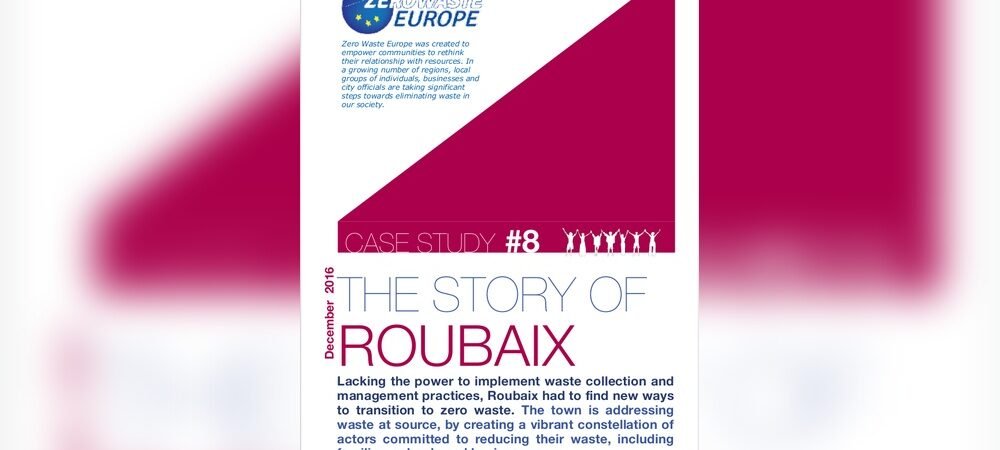
Have you ever wondered how simple changes in your daily routine can make a big difference for the planet? European zero waste habits offer practical and easy steps that you can start using right now.
Imagine cutting down your trash, saving money, and feeling good about your impact—all at the same time. You’ll discover habits that are not only good for the environment but also fit naturally into your life. Ready to see how small actions can lead to a cleaner, greener future?
Keep reading, and you’ll find out how to make zero waste living work for you.
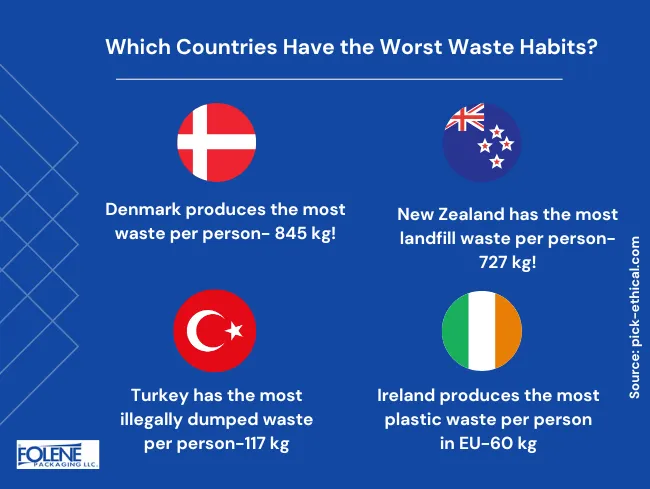
Credit: folenepackaging.com
Daily Zero Waste Practices
Daily zero waste habits help reduce trash every day. Small changes at home or outside make a big difference. Many Europeans adopt simple routines to live with less waste and protect nature.
Easy steps like avoiding plastics and choosing reusable items lower waste. Smart shopping also helps by cutting down on packaging and food waste. These habits fit into daily life and create a cleaner environment.
Reducing Single-use Plastics
Single-use plastics cause much pollution. Europeans often refuse plastic bags, straws, and cutlery. Using fewer plastics keeps oceans and parks clean. Carrying your own containers stops plastic waste. Saying no to plastic bottles also helps.
Choosing Reusable Alternatives
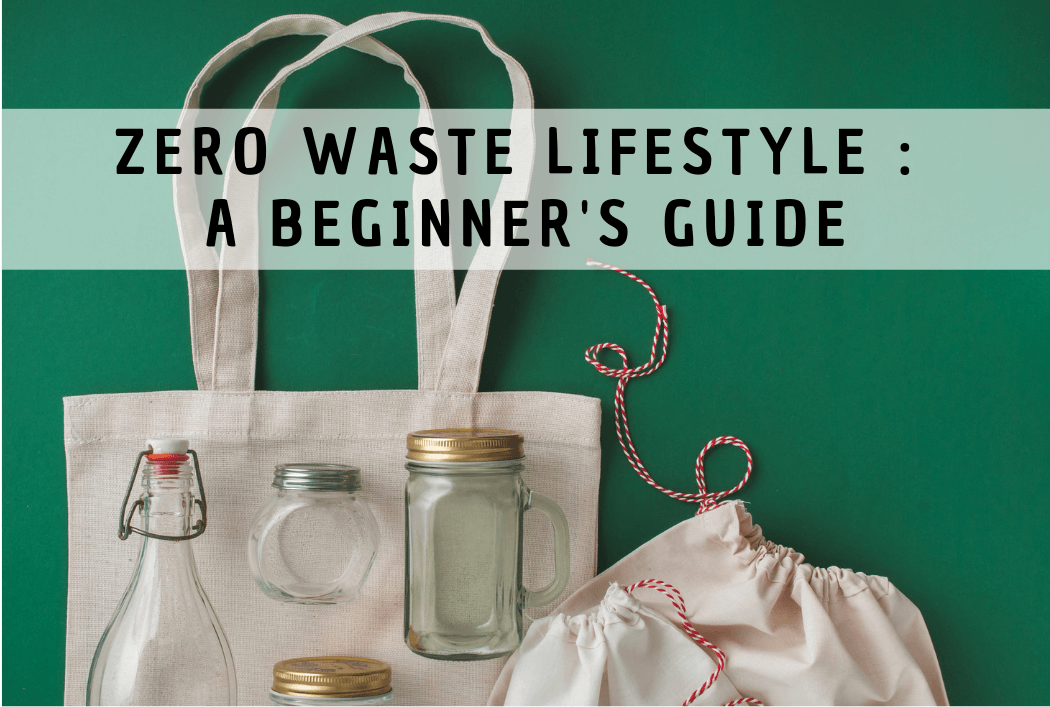
Reusable items replace disposable ones. Cloth bags, metal bottles, and glass jars last long. Many people carry reusable coffee cups and food wraps. These choices reduce trash and save money. Reusable products support a zero waste lifestyle easily.
Smart Grocery Shopping
Smart shopping means buying only what you need. Europeans prefer local markets with less packaging. Bringing your own bags and containers reduces plastic use. Buying fresh, unpackaged food cuts waste. Planning meals helps avoid food spoilage and waste.
Credit: www.arcticgardens.ca
Waste-free Food Habits
Waste-free food habits are key to reducing trash at home. Many Europeans choose simple, practical steps to cut food waste. These habits help save money, protect the planet, and promote healthier living.
People plan meals carefully to buy only what they need. They compost food scraps to return nutrients to the soil. Preserving and storing food properly keeps it fresh longer.
Meal Planning To Minimize Waste
Planning meals in advance helps control food purchases. It stops buying too much or forgetting what is already available. Writing a shopping list based on planned meals is common. This method reduces impulse buys and leftover food thrown away. Using leftovers in new dishes also lowers waste.
Composting Organic Scraps
Composting turns vegetable peels, fruit skins, and coffee grounds into rich soil. Many European homes have small compost bins or community compost sites. Composting lowers trash sent to landfills and cuts methane gas. It supports gardens by enriching the earth naturally.
Preserving And Storing Food
Proper storage slows down food spoilage. People use airtight containers, glass jars, and reusable wraps. Cooling leftovers quickly and freezing extras extends food life. Techniques like pickling, drying, and fermenting also help preserve food. These habits prevent waste and keep food tasty longer.
Sustainable Fashion Choices
Sustainable fashion choices help reduce waste and pollution. Europeans are changing how they buy and care for clothes. These habits support the environment and save money. Simple actions can make a big difference in fashion’s impact.
Buying Secondhand And Vintage
Secondhand stores offer unique clothes at low prices. Vintage shops carry styles from past decades. Buying used clothes lowers demand for new production. It keeps garments out of landfills longer. Many people enjoy the thrill of finding special pieces.
Repairing Instead Of Replacing
Fixing clothes extends their life. Small tears and loose buttons can be easily mended. Repairing saves resources and reduces waste. Tailors and DIY kits make repairs simple. This habit slows down fast fashion’s cycle.
Supporting Ethical Brands
Ethical brands focus on fair labor and eco-friendly materials. They avoid harmful chemicals and waste. Choosing these brands supports workers and the planet. Many European shoppers prefer transparent and responsible companies. This choice encourages better industry standards.

Credit: treadingmyownpath.com
Eco-friendly Home Tips
Creating an eco-friendly home is a key part of zero waste habits in Europe. Small changes at home help save energy and reduce waste. Simple daily habits make a big difference for the planet. Here are some easy tips to live greener at home.
Reducing Energy Consumption
Turn off lights when not in use. Use energy-saving LED bulbs. Unplug devices that are not needed. Set your heating and cooling to a moderate level. Use natural light during the day. These steps lower your energy bills and carbon footprint.
Using Natural Cleaning Products
Choose natural ingredients like vinegar, baking soda, and lemon. Avoid chemical cleaners that harm the environment. Make your own cleaning solutions at home. Natural products are safer for your family and pets. They reduce plastic waste from store-bought bottles.
Minimalist Home Decor
Keep only what you really need. Choose furniture made from sustainable materials. Avoid fast furniture that breaks quickly. Use second-hand items or repurpose old things. Minimalism reduces clutter and waste, creating a calm space.
Community And Zero Waste
Community plays a big role in adopting zero waste habits in Europe. People join hands to reduce waste and protect the environment. Sharing ideas and working together makes zero waste living easier and more fun.
Joining Local Swap Groups
Local swap groups help people exchange items without buying new ones. Clothes, books, toys, and kitchen tools often find new homes here. This reduces waste and saves money. Swap groups create strong community bonds. They encourage sharing and caring for the planet.
Participating In Clean-up Events
Clean-up events bring neighbors together to pick up trash in parks and streets. These activities improve local spaces and raise awareness about waste problems. People feel proud of their clean surroundings. It also teaches children the importance of protecting nature.
Advocating For Policy Change
Communities can push for laws that support zero waste goals. Citizens talk to leaders about recycling, banning plastics, and better waste management. Collective voices have more power to create change. Policies make zero waste habits easier and more common for everyone.
Travel And Zero Waste
Travel and zero waste go hand in hand for many Europeans. They try to reduce waste even on the road. Traveling lightly and choosing eco-friendly options helps protect the environment. This approach makes trips cleaner and more enjoyable.
Packing Light And Smart
Packing light reduces waste and saves energy. Carrying only essentials means less plastic and fewer disposable items. Reusable containers and bags help avoid single-use plastics. Choosing clothes that can be mixed and matched cuts down on laundry. This simple habit lowers your travel footprint.
Choosing Sustainable Transport
Traveling by train or bus cuts carbon emissions. Many Europeans prefer these options over flying. Biking or walking around cities reduces pollution and waste. Electric car rentals offer a cleaner way to explore. Choosing green transport supports cleaner air and quieter streets.
Supporting Eco-conscious Destinations
Many places promote zero waste tourism. Staying at eco-friendly hotels reduces single-use plastics. Visiting local markets supports small businesses and reduces packaging. Joining clean-up events helps keep nature pristine. These choices help preserve destinations for future travelers.
Frequently Asked Questions
What Are Common Zero Waste Habits In Europe?
Common zero waste habits in Europe include using reusable bags, avoiding single-use plastics, composting organic waste, and buying in bulk. Europeans also prioritize repairing items and choosing sustainable packaging. These practices reduce waste and promote eco-friendly living.
How Do Europeans Reduce Plastic Waste Daily?
Europeans reduce plastic waste by carrying reusable bottles, shopping with cloth bags, and refusing plastic straws. They also support stores with zero waste policies and recycle diligently. This approach helps minimize plastic pollution effectively.
Which European Countries Lead In Zero Waste Lifestyle?
Countries like Germany, Sweden, and the Netherlands lead in zero waste efforts. They have strict recycling laws, widespread composting, and strong community awareness. These nations set high standards for sustainable waste management.
What Role Do Zero Waste Shops Play In Europe?
Zero waste shops offer package-free products and encourage reusable containers. They help consumers avoid plastic and reduce packaging waste. These shops promote conscious shopping and support sustainable living.
Conclusion
Adopting zero waste habits can help protect our planet. Many Europeans show how small changes make a big difference. Simple acts like reusing, recycling, and buying less reduce waste. These habits save money and create cleaner communities. Everyone can try to live with less trash.
It takes time but feels rewarding. Start with easy steps and build from there. Together, we create a healthier world for future generations. Zero waste is not just a trend—it is a way of life.