Do you want to create a beautiful garden but feel limited by your small space? You’re not alone.
Many people think sustainable gardening is only for large yards, but that’s not true. With the right tips, you can grow thriving plants, save money, and help the environment—all from your balcony, patio, or tiny backyard. Imagine fresh herbs at your fingertips, colorful flowers brightening your home, and healthy veggies you grew yourself.
Keep reading to discover simple, effective ways to turn your small space into a green oasis that works for you and the planet.
Credit: www.apge.com
Choosing The Right Plants
Choosing the right plants is key for a small, sustainable garden. Plants suited to your local climate and space needs grow better and use fewer resources. This choice helps save water, reduce waste, and support local wildlife. Focus on plants that thrive in your area and fit your garden’s size.
Native And Drought-tolerant Species
Native plants adapt well to local soil and weather. They need less water and care. Drought-tolerant plants survive with little water. These plants reduce water use and keep your garden healthy. They also attract native bees, birds, and insects, helping the ecosystem.
Companion Planting Benefits
Companion planting means growing certain plants together. Some plants protect others from pests naturally. Others improve soil nutrients or help plants grow faster. Companion planting saves space and reduces the need for chemicals. It creates a balanced, healthy garden environment.

Credit: friendlyturtle.com
Maximizing Space Efficiency
Small garden spaces need smart planning for best use. Maximizing space helps grow more plants in less area. It saves resources and keeps the garden neat. Efficient use of space supports sustainable gardening goals.
Choosing the right methods can boost plant health and yield. Focus on vertical growth and smart containers to fit plants well. These ideas help gardeners create green spaces without clutter.
Vertical Gardening Ideas
Vertical gardening uses walls or fences to grow plants upwards. This saves ground space and adds greenery to small areas. Trellises, hanging pots, and wall planters work well for this method. Climbing plants like beans and peas thrive in vertical gardens. It also improves air flow and sunlight exposure for plants.
Use recycled materials for vertical structures to reduce waste. Vertical gardens are easy to water and maintain. They make small spaces look lively and fresh.
Container And Raised Bed Gardening
Containers and raised beds control soil quality and plant growth. They fit in patios, balconies, or small yards. Use pots, buckets, or wooden boxes for containers. Raised beds improve drainage and reduce soil compaction.
Group plants with similar water needs to save resources. Containers can be moved to catch sunlight or shade. Raised beds make gardening easier on the back and knees. Both methods keep weeds and pests under control.
Soil And Composting Hacks
Healthy soil is the key to a thriving garden, especially in small spaces. Improving soil quality helps plants grow strong and resist pests. Composting and natural soil enhancers boost soil nutrients without chemicals. These simple hacks make your garden eco-friendly and productive.
Creating Nutrient-rich Compost
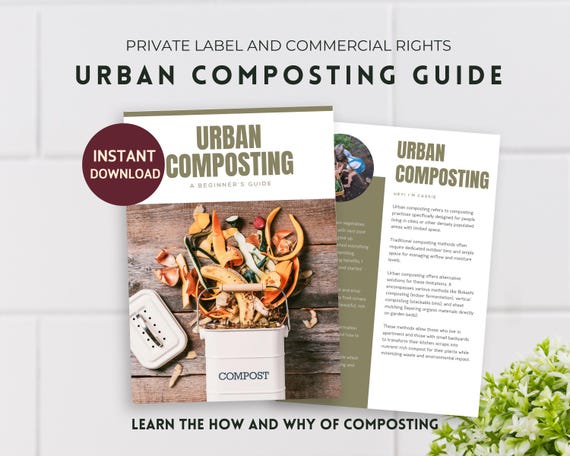
Compost is broken-down organic waste that feeds plants naturally. Start by collecting kitchen scraps like vegetable peels and coffee grounds. Avoid meat, dairy, and oily foods to keep compost healthy. Add dry materials such as leaves or paper to balance moisture. Turn the pile regularly to add air and speed decomposition. Ready compost looks dark and crumbly with an earthy smell. Use it to enrich your garden soil for better growth.
Natural Soil Enhancers
Natural materials improve soil structure and nutrient content. Eggshells add calcium, helping plants build strong cell walls. Coffee grounds increase nitrogen, which supports leafy growth. Wood ash raises soil pH in acidic soils, making nutrients available. Worm castings improve soil texture and water retention. Mix these enhancers into the soil before planting. They keep your garden healthy without synthetic fertilizers.
Credit: www.etsy.com
Water Conservation Techniques
Water conservation is vital for sustainable gardening, especially in small spaces. Saving water helps plants grow better and reduces waste. Smart water use keeps your garden healthy and supports the environment.
Rainwater Harvesting
Rainwater harvesting collects rainwater for garden use. This method saves tap water and lowers water bills. Use barrels or containers to catch water from roofs. Stored rainwater is perfect for watering plants. It is free and chemical-free, making it safe for all plants.
Drip Irrigation And Mulching
Drip irrigation delivers water directly to plant roots. It uses less water than sprinklers and cuts evaporation. This system works well in small gardens. Mulching covers soil with leaves or straw. Mulch keeps soil moist and stops water loss. Together, drip irrigation and mulch save water and keep plants healthy.
Eco-friendly Pest Control
Eco-friendly pest control helps protect your small garden without harmful chemicals. It keeps plants healthy and safe for you and the environment. Using natural methods supports the balance of nature in your garden. Small spaces benefit from gentle pest control that does not damage plants or soil.
Attracting Beneficial Insects
Beneficial insects eat pests that harm your plants. Ladybugs, lacewings, and spiders are good examples. Plant flowers like marigolds, dill, and fennel to invite them. These insects stay close if they find food and shelter. Avoid using insecticides, which can kill helpful bugs too.
Homemade Natural Pesticides
Natural pesticides made at home use simple ingredients. Mix garlic, soap, and water for a spray that repels insects. Neem oil is another safe option that stops pests from feeding. Apply these sprays gently on plants, focusing on affected areas. Natural pesticides break down quickly and do not harm the soil.
Sustainable Tools And Materials
Sustainable gardening starts with choosing the right tools and materials. Small spaces need careful planning and smart choices. Using eco-friendly supplies helps protect the environment and saves money. It also reduces waste and pollution. Sustainable tools last longer and work well in tight areas. This section explores some great options for green gardening.
Recycled And Upcycled Garden Supplies
Old containers, pallets, and wood can become useful garden items. Use them to make planters, trellises, or garden beds. These items keep waste out of landfills. They also add character to your garden space. Look for clean, safe materials to reuse. This reduces the need for new plastic or metal products. Upcycling saves resources and lowers your garden’s carbon footprint.
Energy-efficient Gardening Equipment
Choose tools that use less energy or no electricity. Hand tools like pruners and trowels work well in small gardens. Battery-powered tools with long-life batteries reduce fuel use and noise. Solar-powered garden lights or water pumps are good options. These tools lower your energy bills and help the planet. They also make gardening quieter and more peaceful in tight spaces.
Frequently Asked Questions
What Are The Best Plants For Sustainable Small Gardens?
Choose native, drought-resistant, and low-maintenance plants. They use less water and thrive in local conditions. Herbs, succulents, and vegetables are ideal for small spaces. This helps conserve resources and supports local ecosystems effectively.
How Can I Reduce Water Usage In Small Gardens?
Use drip irrigation and rainwater harvesting systems. Water plants early in the morning or late evening to minimize evaporation. Mulching also helps retain soil moisture. These practices reduce water waste and promote healthy plant growth sustainably.
What Sustainable Soil Practices Suit Small Garden Spaces?
Use organic compost and natural fertilizers to enrich soil. Avoid chemical pesticides and synthetic fertilizers. Crop rotation and companion planting improve soil health. These methods boost plant growth and maintain soil fertility sustainably.
How Do I Manage Pests Sustainably In A Small Garden?
Introduce beneficial insects like ladybugs and use natural repellents. Avoid chemical pesticides that harm the environment. Regularly inspect plants and remove pests manually. Sustainable pest management protects your garden and local wildlife.
Conclusion
Sustainable gardening in small spaces helps the planet and your home. Growing plants saves water and reduces waste. Choose native plants for easier care and better growth. Use compost to feed your soil naturally. Small steps make a big difference over time.
Enjoy fresh air and green views every day. Start simple, stay consistent, and watch your garden thrive. Your small space can become a green oasis. Sustainable gardening is good for you and the Earth. Keep learning and trying new ideas to improve.