Are you ready to transform your kitchen into a zero waste haven? Imagine cutting down your trash to almost nothing while saving money and helping the planet.
Starting a zero waste kitchen in Europe might seem tricky, but it’s easier than you think. You’ll discover simple swaps and smart habits that fit your lifestyle and local options. Keep reading, and you’ll find practical steps that make a real difference—without overwhelming you.
Your journey to a cleaner, greener kitchen starts right here.

Credit: ibizapreservation.org
Benefits Of A Zero Waste Kitchen
Starting a zero waste kitchen in Europe brings many benefits. It changes how you live and helps the planet. Waste drops, health improves, and money saves. Small daily actions add up to big results. This section explains the main benefits of a zero waste kitchen.
Environmental Impact
Zero waste kitchens cut down on trash sent to landfills. Less waste means less pollution and fewer greenhouse gases. Using reusable containers lowers plastic use. Composting food scraps feeds the soil, not dumps. This helps protect Europe’s natural beauty and wildlife.
Health Advantages
Zero waste cooking encourages fresh, whole foods. Avoiding packaged items reduces exposure to harmful chemicals. Using your own containers keeps food cleaner and safer. Cooking at home means better control over ingredients. This leads to a healthier diet and body.
Cost Savings
Buying in bulk saves money over time. Using leftovers reduces food waste and grocery bills. Reusable items replace single-use products, cutting costs. Making your own cleaning and cooking products saves cash. A zero waste kitchen helps keep your budget balanced.
Essential Tools For Zero Waste Cooking
Starting a zero waste kitchen needs the right tools. These tools help reduce waste and save money. They also make cooking easier and cleaner. Use simple, eco-friendly items to keep waste low and kitchen neat.
Reusable Containers And Bags
Choose glass or stainless steel containers for food storage. They last longer and do not leak chemicals. Use cloth or mesh bags for fruits, vegetables, and bulk items. These bags reduce plastic use and are washable. Reusable containers keep food fresh and reduce single-use plastics.
Compost Bins
Compost bins turn kitchen scraps into useful soil. Choose a bin that fits your kitchen size. It should have good ventilation to reduce smell. Composting cuts down food waste sent to landfills. Use compost in gardens or plants to close the waste loop.
Eco-friendly Cleaning Supplies
Use natural cleaning products like vinegar, baking soda, and lemon. These clean well without harmful chemicals. Choose reusable cloths or sponges instead of disposable wipes. Eco-friendly supplies protect the environment and keep your kitchen safe.
Smart Shopping Habits
Smart shopping habits can reduce waste and save money in your kitchen. Choosing the right products and packaging helps keep trash out of landfills. Small changes in your shopping routine make a big difference for the environment.
Choosing Local And Seasonal Produce
Buy fruits and vegetables grown nearby. Local produce travels shorter distances, cutting down carbon emissions. Seasonal foods are fresher and taste better. They need less packaging and fewer preservatives. Visit farmers’ markets or local shops for fresh options.
Buying In Bulk
Buy dry goods like grains, nuts, and spices in large amounts. Bulk buying reduces packaging waste and often costs less. Bring your own containers or reusable bags to refill. This habit cuts plastic use and helps control portion sizes.
Avoiding Single-use Packaging
Skip products wrapped in plastic or foam. Choose items in glass jars, cardboard, or metal tins instead. Use reusable bags, jars, and produce bags for shopping. This lowers waste and keeps your kitchen cleaner.
Meal Planning And Food Storage
Meal planning and food storage play a big role in starting a zero waste kitchen in Europe. They help reduce food waste and save money. Good planning means buying only what you need. Proper storage keeps food fresh longer. This makes your kitchen greener and less wasteful.
Reducing Food Waste
Plan meals for the week ahead. Write a shopping list based on the plan. Buy only the ingredients you need. Avoid impulse purchases that often spoil. Check your fridge before shopping to use leftovers first. Small steps cut food waste and save money.
Proper Storage Techniques
Store fruits and vegetables separately. Use airtight containers to keep food fresh. Keep herbs in water like flowers. Freeze extra bread and cooked meals. Label containers with dates to use food on time. Good storage slows down spoilage and waste.
Creative Use Of Leftovers
Turn leftover vegetables into soups or stews. Use stale bread to make croutons or breadcrumbs. Mix leftover rice with vegetables for a quick stir-fry. Make smoothies from overripe fruits. Leftovers can create new meals and reduce waste.
Composting At Home
Composting at home is a smart step toward a zero waste kitchen. It turns food scraps into rich soil. This reduces waste sent to landfills and lowers your carbon footprint. Composting is easy and fits well in European homes, even with small spaces.
Setting Up A Compost System
Choose a compost bin or make one from wood or plastic. Place it in a dry, shady spot outside or on a balcony. Make sure it has good air flow to help materials break down. Turn the compost regularly to speed up the process. Use a small kitchen container to collect scraps daily.
What Can Be Composted
Compost fruit and vegetable peels, coffee grounds, and eggshells. Add tea bags and small amounts of bread or grains. Avoid meat, dairy, and oily foods because they attract pests. Yard waste like leaves and grass clippings also work well. Balance green (wet) and brown (dry) materials for better compost.
Using Compost In Your Garden
Finished compost looks dark and crumbly. Use it to enrich garden soil or potted plants. Spread it around flowers, herbs, and vegetables to help them grow. Compost improves soil structure and holds moisture. It also adds nutrients, reducing the need for chemical fertilizers.
Navigating Zero Waste In European Markets
Starting a zero waste kitchen in Europe means changing how you shop and store food. European markets offer many options to reduce waste. Understanding these options helps you make better choices. It also helps save money and protect the planet.
Markets in Europe vary by country and city. Some places have special stores that sell unpackaged goods. Others offer fresh produce at farmers’ markets. Community Supported Agriculture (CSA) programs provide direct access to local farms. Each option supports zero waste living in its own way.
Finding Zero Waste Stores
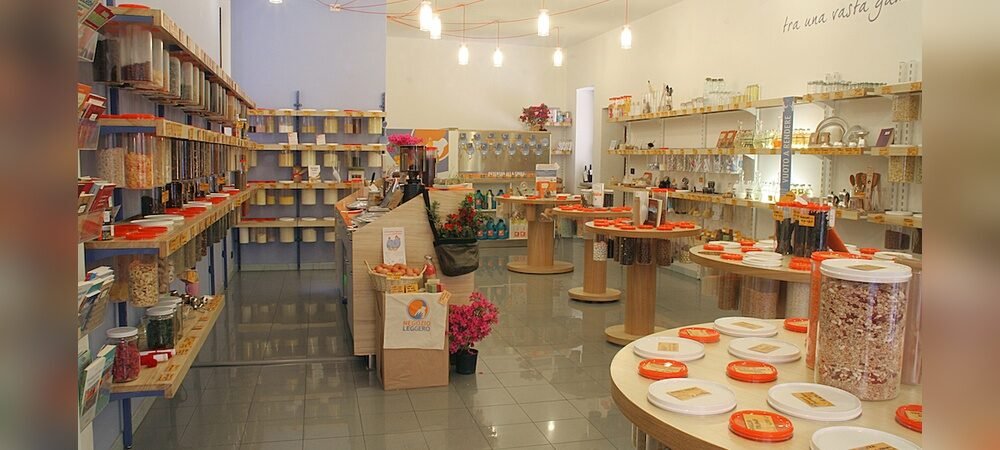
Zero waste stores sell food and products without plastic packaging. Bring your own containers or bags. These stores often have bulk bins for grains, nuts, and spices. Some also offer cleaning supplies and personal care items. Many cities in Europe have at least one zero waste store. Search online or ask locals for the closest one. Visit regularly to build a habit of shopping waste-free.
Farmers’ Markets Tips
Farmers’ markets are great for fresh and local produce. Take your own bags and containers. Avoid single-use plastic bags offered at stalls. Talk to farmers about their growing methods. Choose seasonal fruits and vegetables. This reduces waste from long-distance transport. Visit markets early for the best selection. Some markets also sell homemade products in reusable jars or cloth bags.
Community Supported Agriculture
Community Supported Agriculture connects consumers with local farms. Members get a share of the harvest each week or month. This often includes fruits, vegetables, and sometimes eggs or dairy. CSA boxes usually come with little to no packaging. Joining a CSA supports local farmers and reduces food waste. It also encourages eating seasonal and fresh foods. Look for CSA programs near you and sign up to start receiving fresh produce.
Involving Family And Friends
Starting a zero waste kitchen is easier with support from family and friends. Their participation can make the journey fun and effective. Sharing ideas and habits helps build a strong zero waste community at home and beyond.
Sharing Zero Waste Practices
Talk about your zero waste goals with your family and friends. Show them simple swaps like reusable bags and jars. Share recipes that use leftovers to reduce food waste. Small steps inspire others to join without pressure. Learning together creates a positive and supportive environment.
Hosting Waste-free Gatherings
Invite loved ones to zero waste meals or parties. Use cloth napkins, reusable plates, and refillable containers. Ask guests to bring their own cups or utensils. Make compost bins available for food scraps. These gatherings highlight how easy zero waste can be and make it enjoyable.
Encouraging Sustainable Habits
Encourage family and friends to take small actions daily. Suggest using a shopping list to avoid excess buying. Recommend drinking tap water instead of bottled. Praise their efforts to reduce waste. Positive reinforcement helps habits stick and spreads the zero waste lifestyle.

Credit: www.etsy.com
Overcoming Common Challenges
Starting a zero waste kitchen in Europe can be challenging. Many people face obstacles that slow their progress. Knowing common issues helps to plan better. Solutions make the journey easier and more enjoyable.
Dealing With Packaging Regulations
Packaging laws vary across European countries. Some places have strict rules on reusable containers. Others limit where you can bring your own bags or jars. Check local rules before shopping. Choose stores that support zero waste. Many markets allow loose goods. Bring your own containers to reduce waste. Small shops often have flexible policies.
Time Management Tips
Zero waste shopping and cooking take time. Planning meals helps avoid last-minute waste. Prepare shopping lists to save time. Buy in bulk to reduce trips. Cook extra portions for leftovers. Use simple recipes with few ingredients. Set aside time weekly for meal prep. This saves effort and reduces waste.
Handling Limited Access To Resources
Not everyone has easy access to zero waste stores. Try local farmers’ markets for fresh produce. Join community groups for sharing tips and resources. Grow herbs or small vegetables at home. Use online shops that offer zero waste products. Swap items with friends or neighbors. Small steps add up to big changes.

Credit: food.ec.europa.eu
Frequently Asked Questions
What Are The First Steps To Start A Zero Waste Kitchen?
Begin by assessing your current waste and identifying reusable alternatives. Switch to bulk buying and avoid single-use plastics. Use glass jars and cloth bags for storage. Compost food scraps to reduce landfill waste. These simple changes lay a strong foundation for a zero waste kitchen.
How Can I Reduce Plastic Use In A European Kitchen?
Choose local markets with plastic-free packaging. Use beeswax wraps instead of cling film. Opt for stainless steel or glass containers. Avoid bottled water by using filtered tap water. These habits significantly cut down plastic waste in your kitchen.
What Are The Best Zero Waste Swaps For Kitchen Essentials?
Replace paper towels with washable cloths. Use refillable cleaning products and natural soaps. Choose bamboo or metal utensils over plastic. Buy loose fruits and vegetables to avoid packaging. These swaps help minimize waste and promote sustainability.
How To Compost Food Waste In European Homes?
Use a kitchen compost bin for scraps like vegetable peels and coffee grounds. Check local regulations for composting rules. You can also join community compost programs if available. Composting reduces landfill waste and enriches soil naturally.
Conclusion
Starting a zero waste kitchen in Europe is simple and rewarding. Small changes make a big impact on the environment. Choose reusable items and avoid single-use plastics. Buy local and fresh produce to reduce waste. Plan meals to use all your food and compost scraps.
Every effort helps protect the planet for future generations. You can create a cleaner, greener kitchen step by step. Keep learning and stay motivated. Your zero waste journey begins today.