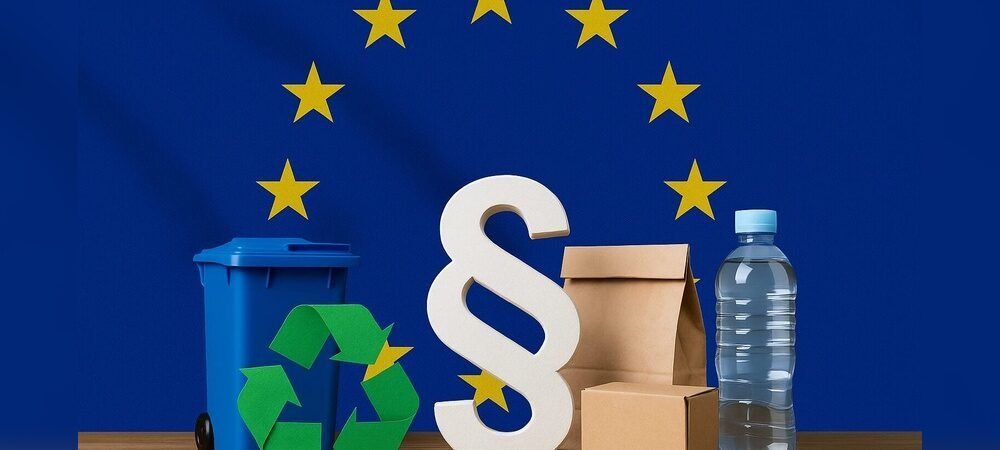
Have you ever wondered what really happens to the plastic bottle or paper you toss into a recycling bin? Understanding how recycling works in Europe can change the way you think about waste—and your role in protecting the planet.
This isn’t just about sorting trash; it’s about making a real impact on the environment and your community. By the end of this article, you’ll see how your everyday choices fit into a larger system that turns waste into valuable resources.
Ready to discover the journey your recyclables take and how Europe leads the way? Let’s dive in.
Recycling Systems Across Europe
Recycling systems across Europe vary by country but share common goals. They focus on reducing waste and reusing materials. Each system includes collection, sorting, and processing stages. These steps help turn waste into new products efficiently.
Collection Methods
European countries use different ways to collect recyclable waste. Many use separate bins for paper, plastic, glass, and metal. Some places have curbside pickup, while others rely on drop-off points. Collection schedules may vary, but the goal is clear: keep materials clean and sorted.
Sorting Technologies
After collection, sorting is crucial. Advanced machines separate materials by type and quality. Optical sorters use light to identify plastics and paper. Magnets pull out metals. Sorting improves recycling quality and lowers contamination.
Processing Facilities
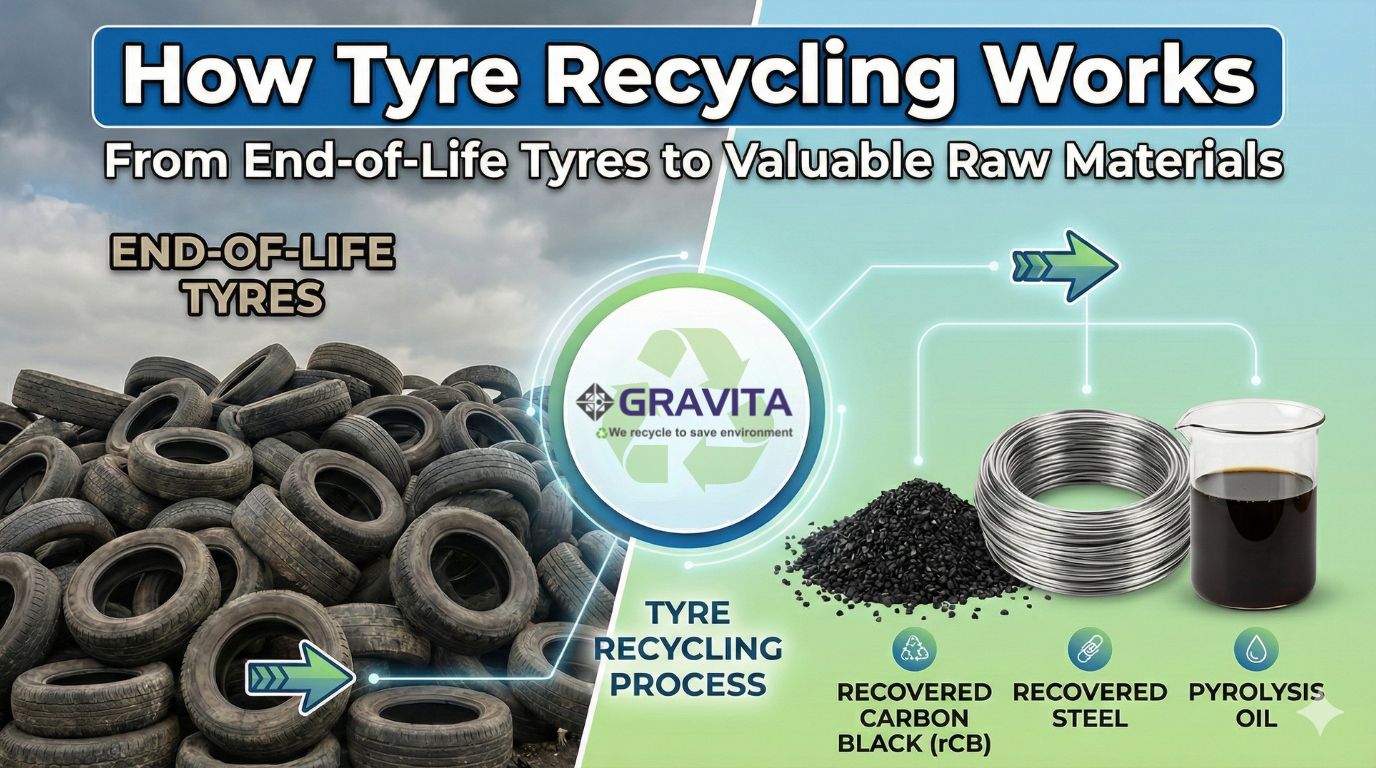
Recycling plants turn sorted waste into raw materials. Facilities crush, melt, or pulp items to prepare them for reuse. Some plants specialize in plastics, others in metals or paper. This step ensures materials are ready for new products.
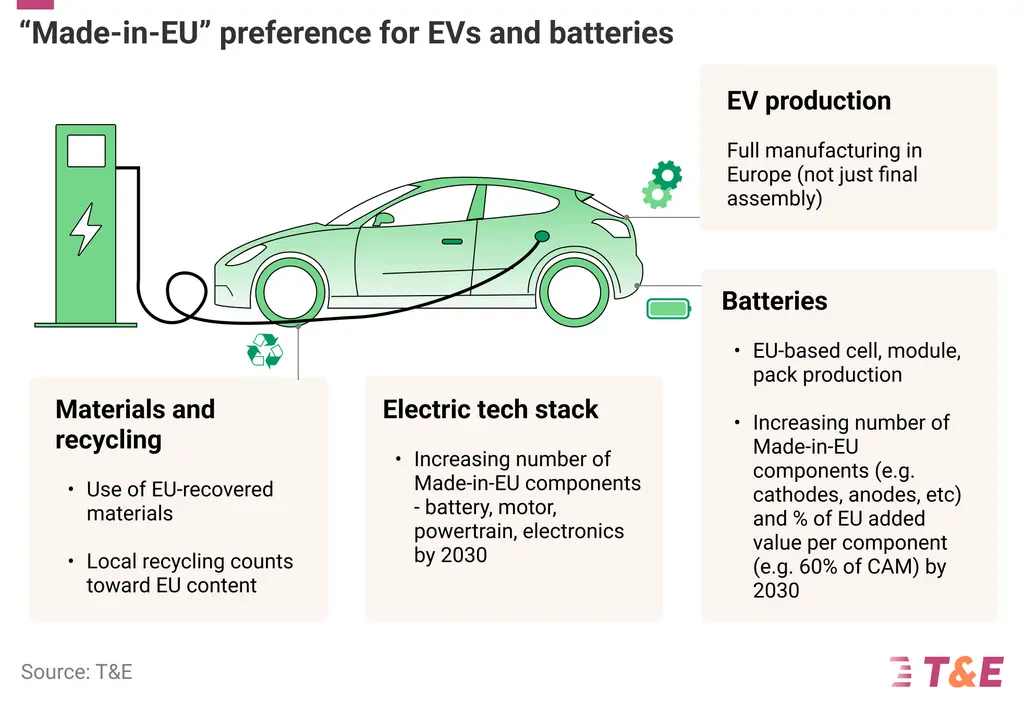
Credit: www.transportenvironment.org
Key Materials In European Recycling
European recycling focuses on several key materials. These materials form the core of recycling programs across the continent. Proper sorting and processing help reduce waste and save resources.
Paper And Cardboard
Paper and cardboard are widely recycled in Europe. They come from newspapers, packaging, and office supplies. Recycling these materials saves trees and energy. Clean paper and cardboard are easier to recycle. Contaminated items can cause problems in the recycling process.
Plastics
Plastics are a major part of European recycling efforts. They include bottles, containers, and packaging films. Sorting plastics by type is important. Some plastics recycle better than others. Recycled plastics can be turned into new products, reducing the need for new plastic.
Glass
Glass recycling is common across Europe. Glass bottles and jars are collected separately. Glass can be recycled endlessly without losing quality. Sorting glass by color improves the recycling process. Using recycled glass saves raw materials and energy.
Metals
Metals such as aluminum and steel are recycled widely. Common items include cans, tins, and scrap metal. Recycling metals saves a lot of energy compared to mining new metals. Metals can be melted and reshaped many times. This makes metal recycling very efficient.
Organic Waste
Organic waste includes food scraps and garden waste. Many European cities collect organic waste separately. It is processed into compost or biogas. Compost enriches soil and reduces the need for chemical fertilizers. Biogas can be used as a renewable energy source.
Policies Driving Recycling Efforts
Europe’s recycling efforts rely heavily on clear policies. These policies set rules and goals for all countries. They guide how waste is collected, sorted, and processed. Governments, businesses, and citizens all follow these rules to help protect the environment.
Strong policies encourage more recycling and less waste. They create a system that supports sustainable habits. Without these policies, recycling rates would be much lower across Europe.
Eu Directives And Targets
The European Union creates rules for all member states. These rules are called directives. They set recycling goals for plastic, paper, glass, and metal waste. For example, the EU aims to recycle 65% of municipal waste by 2035. These targets push countries to improve their recycling systems.
Directives also require countries to reduce landfill use. They promote waste prevention and reuse. These rules help Europe move toward a circular economy. This means less waste and more materials reused in new products.
National Regulations
Each country in Europe makes its own recycling laws. These laws follow EU directives but fit local needs. Governments decide how to collect waste and run recycling centers. They set rules for businesses and households to separate waste.
National regulations also control the quality of recycled materials. This ensures that recycled goods can be used safely in new products. Countries report their progress to the EU regularly. This keeps everyone accountable and focused on goals.
Incentives And Penalties
Many European countries use rewards to boost recycling. People get discounts or money back for returning bottles or cans. Some places offer lower waste fees to those who recycle well. These incentives motivate people to separate waste correctly.
Penalties also exist for breaking recycling rules. Fines apply for illegal dumping or mixing trash improperly. These fines discourage bad habits and keep recycling systems clean. The mix of incentives and penalties creates balance in recycling efforts.
Role Of Consumers And Communities
Consumers and communities have a big role in recycling across Europe. Their actions help reduce waste and save resources. Everyone’s effort counts to make recycling work well. Simple habits at home and in neighborhoods make a strong impact.
Public Awareness Campaigns
Governments and groups run campaigns to teach recycling. These campaigns show why recycling matters and how to do it right. They use posters, social media, and events to reach many people. Clear messages help everyone understand the rules and benefits.
Community Recycling Programs
Many towns have local recycling programs. These programs provide bins and collection points for different materials. Communities organize clean-up days and recycling drives. Such programs build a sense of teamwork and keep areas clean.
Household Participation
At home, sorting waste is key. Families separate paper, plastic, glass, and metal. Following local guidelines ensures materials can be recycled properly. Small daily choices add up to big results for the environment.
Innovations Enhancing Recycling
Recycling in Europe is evolving through smart innovations. These new methods make recycling faster and cleaner. They help reduce waste and save resources. Each step improves how materials return to use.
Advanced Sorting Techniques
Europe uses machines to sort waste better. Sensors detect plastics, metals, and paper quickly. Robots separate items with high accuracy. This reduces errors and increases recycling rates. Sorting plants handle more waste with less human effort.
Circular Economy Initiatives
Many European countries promote circular economy ideas. Products are designed to be reused or recycled easily. Companies focus on repairing and sharing items. This approach lowers the need for new materials. It supports long-term environmental benefits.
Digital Tools And Apps
Apps help people recycle correctly by providing clear guidelines. Digital platforms track waste collection and recycling progress. They encourage users to sort waste at home carefully. This technology connects citizens and recycling services effectively.
Credit: www.all-about-industries.com
Challenges In European Recycling
Recycling in Europe faces several challenges that slow down progress. These obstacles affect how much waste is reused and how efficiently systems work. Understanding these issues helps to see why recycling rates vary across countries.
Contamination Issues
Many recycling problems start with contamination. People often mix non-recyclable items with recyclables. This mix can spoil entire batches of materials. Contaminated waste becomes harder and more expensive to process. Clear instructions and better sorting are essential to reduce contamination.
Market Fluctuations
Recycling depends on stable markets for recycled materials. Prices for these materials can change quickly. When prices drop, recycling companies struggle to make profits. This leads to less recycling activity and more waste sent to landfills. Stronger markets would support consistent recycling efforts.
Infrastructure Gaps
Not all areas in Europe have equal recycling facilities. Some regions lack enough collection points or processing plants. Poor infrastructure means less material is recycled. Investments are needed to build and upgrade recycling systems. Better infrastructure improves recycling rates and environmental impact.
Successful Case Studies
Europe shows many good examples of recycling success. These cases help us see what works well. Each country uses different methods to reduce waste and protect nature. Learning from them can inspire other places.
Here are three strong examples of recycling in Europe. They use smart plans to handle trash better and save resources.
Germany’s Dual System
Germany uses a system called the Dual System. It separates waste into different bins for easy recycling. People sort paper, plastic, and glass at home. Companies pay fees to manage packaging waste.
This system encourages recycling and lowers landfill use. Almost 70% of packaging waste gets recycled. It helps save energy and raw materials. The system is clear and easy to follow.
Sweden’s Waste-to-energy Approach
Sweden turns waste into energy. It burns trash to make heat and electricity. This method reduces landfill waste a lot. The process cleans the air to keep it safe.
Sweden recycles nearly half of its household waste. The rest becomes energy for homes and businesses. This approach cuts fossil fuel use and pollution. It shows a balance of recycling and energy use.
The Netherlands’ Circular Strategies
The Netherlands focuses on a circular economy. It means using materials again and again. The country reduces waste by designing products to last longer. Repairing and reusing are common habits.
Businesses and people work to close the loop on materials. This lowers waste and saves money. The government supports laws to boost circular use. It creates jobs and protects the environment.
Credit: gravitaeurope.com
Frequently Asked Questions
What Materials Are Commonly Recycled In Europe?
Europe recycles materials like paper, glass, metals, plastics, and organic waste. These materials are collected separately to improve recycling efficiency and reduce landfill use.
How Does The European Recycling System Work?
The system involves collection, sorting, processing, and remanufacturing. Citizens separate waste, municipalities collect it, and facilities turn it into reusable materials for new products.
Which European Countries Lead In Recycling Rates?
Germany, Austria, and the Netherlands have the highest recycling rates. They use advanced systems, strict regulations, and public awareness to maximize recycling success.
What Role Do Citizens Play In European Recycling?
Citizens separate waste correctly and follow local guidelines. Their participation is crucial for clean recycling streams and reducing contamination in recycling bins.
Conclusion
Recycling in Europe helps protect the environment and saves resources. Many countries follow clear rules to sort and reuse waste. People play a big role by separating materials at home. This process reduces pollution and lowers the need for new raw materials.
Everyone benefits from cleaner air and less landfill waste. Recycling creates jobs and supports the economy too. Simple actions by each person make a big difference. Together, Europe moves towards a greener, healthier future. Recycling works best when we all take part.