Transform Your Home, Save the Planet: A Comprehensive Guide to Eco-Friendly Home Improvement
The desire to create a comfortable, beautiful, and functional living space is a universal one. We pour our time, energy, and resources into painting walls, updating kitchens, and finishing basements. But what if our home improvement projects could do more than just enhance our lifestyle? What if they could also contribute to a healthier planet and even put money back in our pockets?
This is the promise of eco-friendly home improvement. Far from being a niche trend reserved for off-grid enthusiasts, sustainable renovation has become a mainstream movement embraced by savvy homeowners everywhere. It’s a holistic approach that considers the entire lifecycle of a project—from the sourcing of materials to the energy consumed long after the last nail is hammered in.
This comprehensive guide will walk you through the core principles, practical applications, and powerful benefits of transforming your house into a greener, healthier, and more efficient home. Whether you’re planning a major overhaul or a simple weekend update, you’ll find actionable strategies to make your next project a win for your home, your health, and the environment.
The Foundation: Why Choose Eco-Friendly Home Improvement?
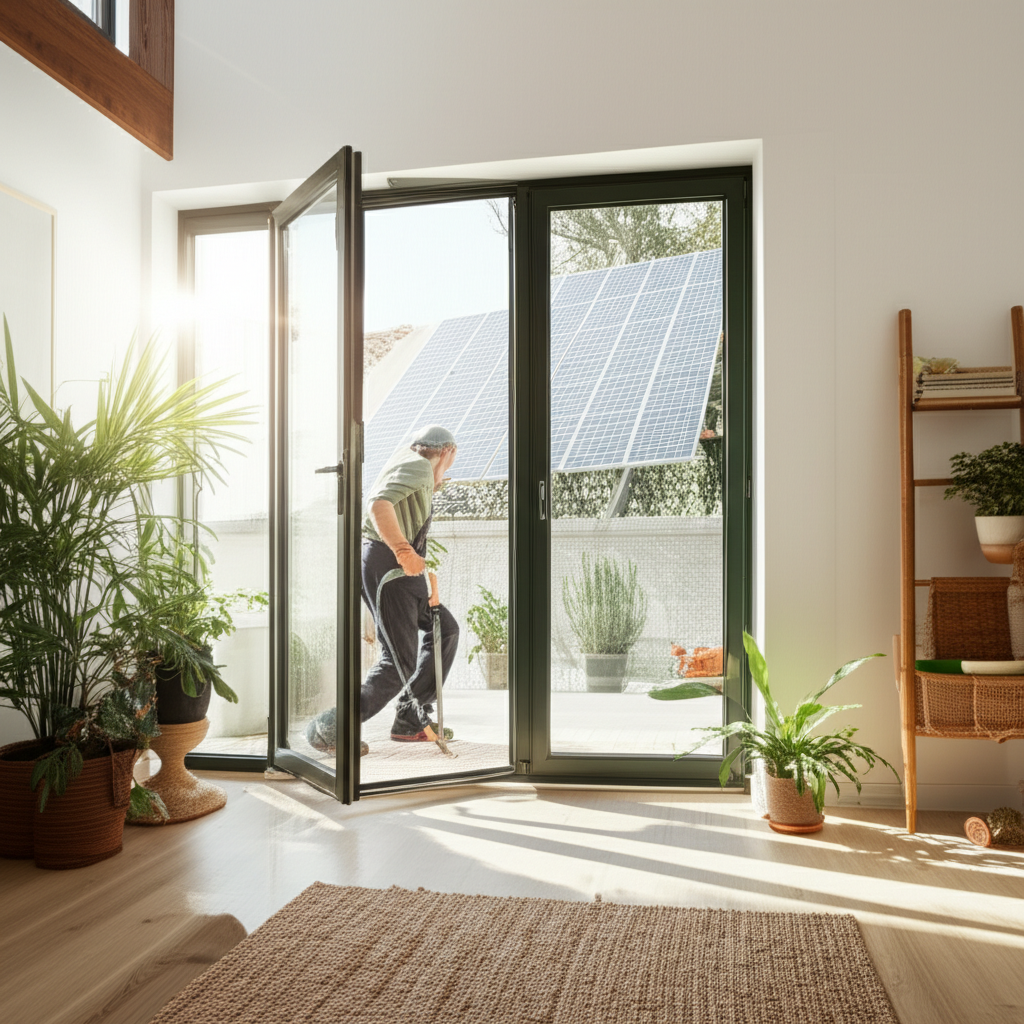
Before we dive into specific projects, it’s crucial to understand the “why” behind this movement. Shifting your mindset from a conventional renovation to an eco-conscious one is the most important first step.
Beyond the Buzzwords: What Does It Really Mean?
“Eco-friendly,” “sustainable,” and “green” are often used interchangeably, but what do they mean in the context of home improvement? At its core, eco-friendly home improvement is about making conscious choices to reduce negative impacts on the environment. This philosophy is guided by several key principles:
- Energy Efficiency: Reducing the amount of energy required to heat, cool, and power your home.
- Water Conservation: Using less water in and around your home through efficient fixtures and landscaping.
- Resource Conservation: Choosing materials that are recycled, renewable, reclaimed, or sustainably harvested.
- Waste Reduction: Minimizing construction debris that ends up in landfills through careful planning, deconstruction, and recycling.
- Healthy Indoor Environment: Selecting materials and products that don’t release harmful toxins, leading to better indoor air quality.
The Triple Bottom Line: Planet, People, and Pocketbook
The most compelling argument for eco-friendly home improvement is its “triple bottom line”—the synergistic benefits for the planet, your health, and your finances.
- For the Planet: The environmental benefits are the most obvious. By consuming less energy, you reduce your home’s carbon footprint. By using sustainable materials, you help protect forests, reduce pollution from manufacturing, and divert tons of waste from landfills. Conserving water helps preserve this critical resource for ecosystems and future generations.
- For People (Your Health): Conventional building materials can be a source of significant indoor air pollution. Paints, adhesives, carpets, and manufactured woods often release Volatile Organic Compounds (VOCs), which can cause headaches, respiratory issues, and other health problems. Eco-friendly home improvement prioritizes non-toxic and low-VOC materials, creating a safer and healthier living space for you and your family.
- For Your Pocketbook: This is where sustainability gets truly exciting for homeowners. While some green products may have a higher upfront cost, they often provide a significant Return on Investment (ROI) over time.
- Lower Utility Bills: High-efficiency appliances, superior insulation, and LED lighting can drastically cut your monthly energy and water bills.
- Increased Home Value: Homes with green features are increasingly attractive to buyers. Certifications like ENERGY STAR and features like solar panels can boost resale value.
- Rebates and Tax Credits: Governments and utility companies often offer financial incentives for installing energy-efficient windows, appliances, insulation, and renewable energy systems.
Energy Efficiency: The Power Play for a Greener Home
For most households, heating, cooling, and electricity are the largest contributors to their environmental footprint and utility expenses. Making your home more energy-efficient is the single most impactful area of eco-friendly home improvement.
Seal the Deal: Insulation and Air Sealing
Before you even think about buying a high-tech new furnace, your first priority should be creating a robust thermal envelope. This means preventing the conditioned air inside your home from escaping and outside air from getting in.
- Insulation: Many older homes are under-insulated. Adding insulation to your attic, walls, and crawl spaces is a cost-effective way to make a huge difference in your energy bills and comfort levels. Look for sustainable insulation options like:
- Cellulose: Made from recycled paper, it has a high recycled content and requires less energy to produce than traditional insulation.
- Cork: A renewable, biodegradable material harvested from the bark of cork oak trees without harming the tree.
- Sheep’s Wool: A natural, renewable fiber that is excellent at managing moisture and is inherently flame-resistant.
- Cotton (Denim): Made from recycled blue jeans, this is another excellent plant-based option.
- Air Sealing: Tiny cracks and gaps around windows, doors, electrical outlets, and plumbing penetrations can add up to the equivalent of leaving a window open all year long. Use caulk and weatherstripping to seal these leaks. For a comprehensive approach, consider a professional energy audit, which often includes a blower door test to pinpoint exactly where your home is losing air.
A Window of Opportunity: High-Performance Windows and Doors
Your windows and doors are major potential sources of energy loss. If your windows are old, single-paned, or leaky, upgrading them can be a wise investment. Look for ENERGY STAR® certified windows, which are independently tested to meet strict energy performance standards. Key features include:
- Multiple Panes: Double- or triple-pane windows create insulating air pockets filled with an inert gas like argon or krypton.
- Low-E Coatings: A microscopically thin, transparent metallic coating on the glass reflects infrared heat, keeping your home warmer in the winter and cooler in the summer.
- Quality Frames: Materials like fiberglass, vinyl, and wood offer better insulation than aluminum.
Let There Be (LED) Light: Smart and Efficient Lighting
Lighting accounts for a significant portion of a home’s electricity use. The transition to energy-efficient lighting is one of the easiest and most affordable eco-friendly home improvements.
- Switch to LEDs: Light-Emitting Diodes (LEDs) use at least 75% less energy and last up to 25 times longer than incandescent bulbs. They are now available in a wide range of colors and brightness levels.
- Install Dimmers and Sensors: Dimmers allow you to use only the amount of light you need, saving energy. Motion sensors and timers ensure lights are only on when necessary in areas like closets, hallways, and outdoors.
- Maximize Natural Light: During any renovation, think about how you can increase daylight. Installing a skylight or a solar tube can brighten a dark room and reduce the need for artificial lighting during the day.
Water Wise: Conserving Our Most Precious Resource
Water is a finite resource, and the energy required to treat and pump it to our homes is substantial. A water-wise home is a cornerstone of sustainable living.
Low-Flow, High-Impact: Fixtures and Toilets
Modern plumbing technology allows for significant water savings without sacrificing performance. When updating a bathroom or kitchen, look for products with the EPA’s WaterSense label.
- Toilets: Older toilets can use up to 6 gallons per flush. WaterSense-labeled toilets use 1.28 gallons or less—a 60% savings. Dual-flush models offer even more control.
- Faucets and Showerheads: Installing WaterSense-labeled faucet aerators and showerheads can reduce water flow by 30% or more without a noticeable difference in pressure. This is one of the cheapest and fastest eco-upgrades you can make.
Hot Water on Demand: Efficient Water Heaters
Heating water is the second-largest energy expense in most homes. An inefficient water heater wastes both water and energy. Consider upgrading to a more efficient model:
- Tankless (On-Demand) Water Heaters: These heat water directly as you need it, eliminating the energy losses associated with storing and constantly reheating water in a large tank.
- Heat Pump Water Heaters (Hybrid): These innovative units pull heat from the surrounding air and transfer it to the water in the tank. They use up to 60% less energy than standard electric models.
- Solar Water Heaters: These systems use the sun’s thermal energy to heat water, drastically reducing your reliance on gas or electricity.
From the Roof to the Roots: Rainwater Harvesting & Greywater Systems
Take water conservation to the next level by capturing and reusing water on your property.
- Rain Barrels: Connect a simple rain barrel to your downspouts to collect rainwater for your garden and potted plants.
- Greywater Systems: More advanced systems can divert “greywater” from your showers, bathroom sinks, and washing machine to be used for irrigating your landscape. This reduces your freshwater consumption and the strain on municipal sewer systems.
Material Matters: Choosing Sustainable and Healthy Building Blocks
The materials you choose for your renovation have a far-reaching impact—from the forests and mines where they are sourced to the air quality inside your home.
The 3 R’s of Renovation: Reduce, Reuse, Recycle
Before you buy anything new, embrace the waste-reduction hierarchy.
- Reduce: Do you really need to tear down that wall, or can you work with the existing layout? Smart design can reduce the overall amount of materials needed.
- Reuse: Instead of demolition, practice “deconstruction.” Carefully salvage old materials like hardwood flooring, solid wood doors, cabinets, and architectural details. These can be reused in your project or donated to a Habitat for Humanity ReStore.
- Recycle: For materials that can’t be reused, ensure they are properly recycled. This includes everything from drywall and old appliances to scrap metal.
Flooring That Grounds You in Sustainability
Flooring covers a large surface area, making it a critical choice for both sustainability and indoor air quality.
- Excellent Eco-Options:
- Reclaimed Hardwood: Beautiful, durable, and packed with character, reclaimed wood keeps old timber out of the landfill.
- Cork: Harvested from the bark of the cork oak tree, it is renewable, biodegradable, and provides excellent thermal and acoustic insulation.
- Bamboo: A rapidly renewable grass that matures in just 3-5 years. Look for bamboo sourced from well-managed forests and manufactured with formaldehyde-free adhesives.
- Linoleum: Not to be confused with vinyl, true linoleum is made from natural, renewable materials like linseed oil, cork dust, and jute. It is durable and biodegradable.
A Fresh Coat of Green: Low-VOC and Natural Paints
Paint is one of the fastest ways to transform a space, but it can also be a major source of indoor air pollution. Traditional paints release VOCs for years after they dry. When choosing paint, always look for Low-VOC or, even better, Zero-VOC labels. Natural paints made from ingredients like milk protein, clay, or plant extracts are another excellent, non-toxic alternative.
Countertops with a Conscience
Your kitchen and bathroom countertops can be a style statement and a sustainability statement.
- Recycled Glass: These stunning countertops are made from post-consumer and post-industrial glass set in a cement or resin binder.
- Recycled Paper Composites: Brands like PaperStone and Richlite create incredibly durable, warm-to-the-touch surfaces by compressing recycled paper with a non-petroleum resin.
- Reclaimed Wood: Butcher block countertops made from salvaged wood provide a rustic, warm aesthetic.
- Bamboo: An excellent renewable choice for countertops, offering a look similar to maple.
Putting It All Together: Your Eco-Friendly Renovation Plan
Embarking on an eco-friendly home improvement project can feel overwhelming. A clear plan is essential for success.
1. Start with an Audit
Before you begin, get a baseline. A professional home energy audit will identify the biggest sources of energy loss in your home, providing a clear roadmap for improvements. You can also perform a DIY water audit to check for leaks and identify inefficient fixtures.
2. Prioritize for Impact and Budget
You don’t have to do everything at once. Prioritize projects based on the “triple bottom line”:
- High-Impact, Low-Cost: Start with the easy wins like air sealing, switching to LEDs, and installing low-flow aerators.
- Best ROI: Projects like adding attic insulation often pay for themselves in energy savings within a few years.
- Long-Term Goals: Major upgrades like new windows, a high-efficiency HVAC system, or solar panels can be planned and budgeted for over time.
3. Find the Right Professionals
Work with contractors, architects, and designers who have experience and knowledge in green building practices. Look for certifications like LEED AP (Leadership in Energy and Environmental Design Accredited Professional) or builders who are members of local green building councils.
4. Think Long-Term
True sustainability is about durability. Choose high-quality, timeless materials and designs over fleeting trends. A well-built, classic renovation will last for decades, reducing the need for future resource consumption and waste.
Conclusion: Building a Better Tomorrow, One Home at a Time
Eco-friendly home improvement is more than just a checklist of green products; it’s a paradigm shift. It’s about viewing your home as part of a larger ecosystem and recognizing that every choice you make has an impact. It’s about creating spaces that are not only beautiful and comfortable but also responsible, healthy, and efficient.
By prioritizing energy and water efficiency, choosing sustainable materials, and minimizing waste, you do more than just upgrade your living space. You invest in the long-term health of your family, you lower your cost of living, and you contribute to a more sustainable future for everyone. Whether you’re changing a lightbulb or gut-renovating a kitchen, every green decision is a powerful step in the right direction. Your home is your corner of the world—make it a shining example of thoughtful, sustainable living.