As an Amazon Associate, WasteZero earns from qualifying purchases. Some links on this page are affiliate links, at no extra cost to you.
Are you ready to turn your kitchen scraps into something valuable? Home composting is a simple way to reduce waste and create rich soil for your garden.
If you live in Europe and want to start composting but don’t know where to begin, this guide is made just for you. You’ll discover easy steps to set up your compost, what materials work best, and how to avoid common mistakes.
By the end, you’ll feel confident to transform your waste into nutrient-packed compost right at home. Keep reading and take the first step toward a greener, cleaner lifestyle!

Why Compost At Home
Composting at home is a simple way to help the environment and your garden. It turns kitchen scraps and garden waste into rich soil. This process saves waste from landfills and cuts down pollution. Home composting also improves soil health and helps plants grow strong.
Environmental Benefits
Composting reduces the amount of waste sent to landfills. Food scraps and garden waste break down naturally instead of producing harmful gases. It lowers greenhouse gas emissions that cause climate change. Composting also recycles nutrients back into the earth. This supports healthy ecosystems and reduces the need for chemical fertilizers.
Reducing Household Waste
Households create a lot of organic waste every day. Composting at home cuts down this waste significantly. It prevents food scraps and garden clippings from filling up trash bins. This means less frequent garbage collection and lower waste disposal costs. It helps keep streets and public spaces cleaner, too.
Improving Garden Soil
Compost adds valuable nutrients to garden soil. It improves soil texture, making it loose and crumbly. This helps plants absorb water and nutrients better. Compost also supports beneficial microbes that keep soil healthy. Using compost reduces the need for chemical fertilizers and promotes natural plant growth.

Choosing The Right Compost Bin
Choosing the right compost bin is key to successful home composting. The bin holds your kitchen scraps and garden waste as they turn into rich compost. Picking a bin that fits your needs helps make composting easy and clean.
Think about your space, the waste you create, and how fast you want compost. The right bin makes the process smooth and keeps pests away. Let’s explore the types of bins, size choices, and materials available in Europe.
Types Of Bins Available
Several compost bins suit different homes and gardens. Traditional bins have open sides for airflow. Tumbler bins spin to mix the compost fast. Worm bins use worms to break down food scraps quickly. Each type works well but fits different needs.
For small spaces, worm bins or tumblers work best. Large gardens benefit from bigger, open bins. Choose a bin that matches your compost style and space.
Size And Space Considerations
Size matters for compost bins. A bin too small fills up fast and may smell. A bin too big wastes space and slows composting. Calculate your weekly kitchen and garden waste to find the right size.
Think about where you will place the bin. It needs good air and some shade. Make sure you can reach it easily to add waste and turn compost.
Material And Durability
Compost bins come in plastic, wood, and metal. Plastic bins are light, cheap, and last long. Wood bins look natural but may rot after years. Metal bins are strong but can rust in wet climates.
Choose a material that fits your budget and local weather. A sturdy bin saves money by lasting many seasons. Check for bins with good ventilation and secure lids to keep pests out.
Best Composting Materials
Composting works best with the right mix of materials. Choosing proper items helps create rich soil faster. Compost needs a balance of green and brown materials. Green materials provide nitrogen. Brown materials add carbon. Both are important for healthy compost.
Green Materials To Use
Green materials are fresh and moist. They include vegetable scraps, fruit peels, and coffee grounds. Grass clippings and fresh leaves also work well. These materials break down quickly and feed microbes. Avoid oily or cooked food scraps as they attract pests.
Brown Materials To Add
Brown materials are dry and woody. Examples are dry leaves, straw, and shredded paper. Cardboard pieces and small twigs also help. They provide carbon, which balances the green materials. Brown materials improve airflow in the compost pile.
What To Avoid
Do not add meat, dairy, or oily foods. These cause bad smells and pests. Avoid diseased plants or weeds with seeds. They can spread problems in your garden. Also, do not add pet waste or treated wood. These materials can harm your compost and plants.
Step-by-step Composting Process
Composting at home is a simple way to recycle food scraps and garden waste. It turns organic material into rich soil for plants. Follow these easy steps to start composting in your garden.
Setting Up Your Compost Bin
Choose a bin that fits your space and needs. It can be a plastic container or a wooden box. Place the bin in a shaded, well-drained spot. This keeps the compost moist but not too wet. Make sure the bin has holes for air flow.
Layering Green And Brown Waste
Start with a layer of brown waste like dry leaves or straw. Add a layer of green waste such as vegetable scraps or grass clippings. Alternate green and brown layers to balance nitrogen and carbon. This helps the compost break down faster. Avoid meat, dairy, and oily foods.
Maintaining Moisture And Aeration
Keep the compost moist like a wrung-out sponge. Water it occasionally if it feels dry. Turn the pile every week with a garden fork. This adds air and speeds up decomposition. Good air flow prevents bad smells and pests.
Troubleshooting Common Issues
Home composting is simple but can have some common issues. Knowing how to fix these problems helps keep your compost healthy. This section covers common troubles and easy ways to solve them.
Dealing With Odors
Bad smells mean your compost needs more air. Turn the pile often to add oxygen. Wet materials can cause odors. Add dry leaves or paper to balance moisture. Avoid putting meat or dairy in compost. These cause strong, unpleasant smells.
Pest Prevention
Pests like flies and rodents can visit your compost. Keep your bin covered with a lid. Use a bin with small holes to block pests. Do not add cooked foods or oily scraps. These attract unwanted animals. Bury food scraps deep inside the pile.
Slow Decomposition Solutions
Slow compost means the pile is too dry or cold. Water the compost if it feels dry. Turn it to warm the pile and add oxygen. Chop or shred waste into smaller pieces. Smaller bits break down faster. Place your compost in a sunny spot for warmth.
Using Finished Compost
Using finished compost is a key step in home composting. It turns your kitchen and garden waste into rich soil. This soil helps plants grow strong and healthy. Knowing how to use this compost correctly makes your garden more productive. It also reduces waste and saves money.
How To Identify Ready Compost
Ready compost looks dark and crumbly. It smells earthy, not sour or rotten. You should not see large pieces of food or plants. The texture feels soft and loose. If it is wet or slimy, it needs more time. Finished compost warms the soil and feeds plants well.
Applying Compost To Your Garden
Spread compost on garden beds before planting. Use a layer about two to three inches thick. Mix it gently into the soil surface. Compost improves soil texture and water retention. It also adds nutrients slowly for plants to absorb. Use compost around flowers, vegetables, and shrubs for best results.
Storing Excess Compost
Store extra compost in a dry, shady place. Keep it covered to protect from rain and pests. Use a bin or a tarp for storage. Check stored compost regularly to avoid bad smells. Use stored compost within six months to keep it fresh and useful.
Composting Rules In Europe
Composting rules in Europe vary by country and region. Understanding these rules helps keep composting safe and effective. Many places have specific guidelines about what you can compost. Some restrict certain waste types to avoid pests and odors. Following these rules ensures your compost is healthy and useful for your garden.
Local Regulations To Follow
Each European country sets its own composting rules. Some cities require permits for home composting bins. Others have limits on compost bin size or location. Rules often cover what materials are allowed. Avoid composting meat, dairy, or treated wood in many areas. Check your local government website for exact rules.
Community Composting Options
Community composting sites offer shared composting spaces. These sites often accept more types of waste than home bins. They help people who live in apartments or small homes. Many communities organize workshops and events about composting. Joining community composting supports local recycling and reduces waste.
Resources And Support
Many European countries provide guides for beginner composters. Local councils often offer free or low-cost compost bins. Some areas have online forums to ask questions and share tips. Gardening centers and environmental groups also provide advice. Use these resources to start composting with confidence.
Frequently Asked Questions
What Materials Are Best For Home Composting In Europe?
Ideal materials include fruit and vegetable scraps, coffee grounds, tea bags, eggshells, grass clippings, and dry leaves. Avoid meat, dairy, and oily foods to prevent pests. European climates suit a mix of green (nitrogen) and brown (carbon) materials for effective composting.
How Long Does Home Composting Take In Europe?
Home composting usually takes 3 to 6 months in Europe. Warmer seasons speed up the process, while colder months slow it down. Regular turning and balanced moisture help decompose organic waste efficiently and produce rich compost faster.
Can I Compost In An Apartment In Europe?
Yes, apartment composting is possible using compact bins or worm composters. These methods reduce odors and fit small spaces. They allow urban dwellers to recycle food waste easily and create nutrient-rich compost for plants or community gardens.
Is Home Composting Legal Across Europe?
Home composting is legal in most European countries. Some local regulations may restrict composting certain waste types. Always check municipal rules to ensure compliance and proper waste management practices in your area.
Conclusion
Home composting in Europe helps reduce waste and supports healthy soil. It saves money and cuts down on trash trips. Anyone can start with simple tools and kitchen scraps. Patience is key; compost takes time to form. Small changes at home make a big difference for the planet.
Try it today and enjoy fresh, natural compost for your garden. Your effort helps create a cleaner, greener Europe.
Recommended Product
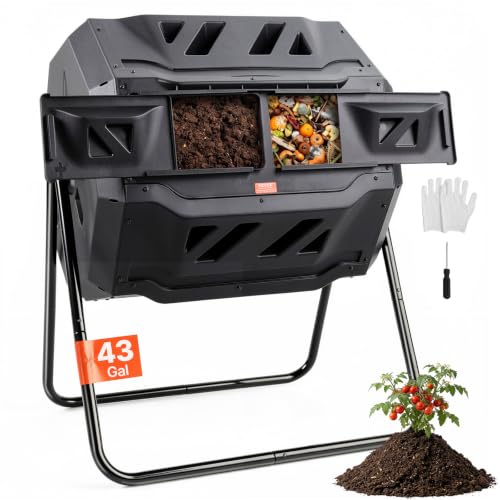
- Dual Chamber, High Capacity: Our compost bin features a dual chamber with a generous capacity of 43 gallons. Perfect for…
- Convenient Access: The dual-chamber composter tumbler features a detachable sliding door with a large opening, making it…
- Built to Last: Crafted from high-quality PP materials and supported by sturdy metal components, our compost bin outdoor …
VEVOR Compost Bin, 43-Gal Dual Chamber Composting Tumbler, Large Tumbl
Further reading: composting (Wikipedia)
🌿 Get Your Eco-Swaps Delivered Free
Try Amazon Prime free for 30 days — fast free delivery on sustainable essentials, plus Prime Video and more. Cancel anytime.
Start Your Free Prime TrialAs an Amazon Associate we earn from qualifying purchases.