As an Amazon Associate, WasteZero earns from qualifying purchases. Some links on this page are affiliate links, at no extra cost to you.
The average European generates 35–40 kg of plastic packaging waste per year. Most of it comes from five categories: food packaging, beverage bottles, personal care products, cleaning products, and single-use kitchen items. The good news is that 80% of household plastic waste is avoidable with product swaps that exist right now — not experimental, not inconvenient, and not expensive over time. This guide walks through the highest-impact changes by room, in order of how much plastic they eliminate. If you’re also looking into reduce plastic 30, our How To Reduce Plastic At Home 30 Easy Ways guide covers it in more depth.
📌 Key Takeaways
- Kitchen and bathroom together account for 70–75% of household plastic waste
- Reusable produce bags eliminate 200–400 single-use plastic bags per household per year
- A reusable water bottle avoids 156 plastic bottles per person per year (EU average)
- Beeswax wraps replace cling film — Europe’s #1 single-use kitchen plastic
- Most plastic reduction swaps pay for themselves within 6–12 months
Step 1: Replace What You Use Every Day First
The biggest mistake people make going low-plastic is buying a lot of alternatives at once and then feeling overwhelmed. The approach that works: replace the one item you go through fastest first. For most households in Europe, that’s the water bottle, then shopping bags, then food wraps. Three items. Do them well, then move to the next.
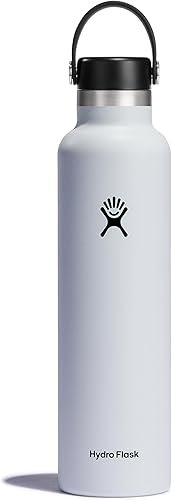
A Hydro Flask is not a cheap item — but consider the math. If you buy one 500ml plastic water bottle per day at €1, you spend €365/year on disposable bottles. The Hydro Flask costs €40–50 and its lifetime warranty means it never needs replacing. Most users break even in 6 weeks. The insulation quality is genuinely better than anything in the mid-range — drinks stay cold for a full day.
Step 2: Eliminate Cling Film and Plastic Food Wraps
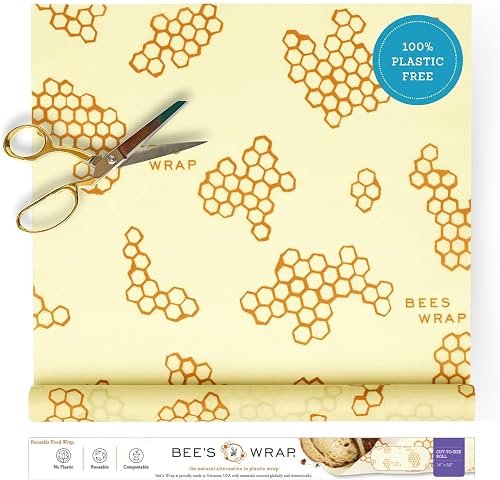
Cling film (plastic wrap) is one of Europe’s most used and least recycled plastics. It can’t be recycled in most municipal systems, it’s too thin to be sorted at recycling plants, and it’s non-biodegradable. One roll lasts the average household 2–3 months. Beeswax wraps replace it completely.
Step 3: Never Use a Plastic Shopping Bag Again
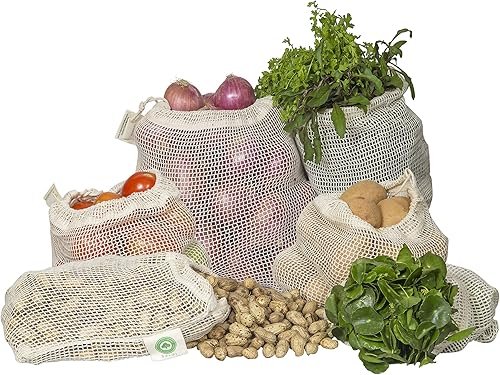
EU member states have significantly reduced single-use plastic bag usage since the 2018 directive, but reusable bags are only effective if you actually have them when you shop. The trick: keep one in every bag you carry. A string bag that packs to golf-ball size lives in every coat pocket, gym bag, and work bag — so you always have it.
Step 4: Kitchen and Bathroom Together Cover 70% of Your Plastic
Once you’ve replaced water bottles, shopping bags, and cling film, the remaining high-impact swaps are produce bags for grocery shopping and switching personal care products to package-free or refillable options. These are covered in our dedicated guides linked below. Done together, these five changes reduce household plastic by 70–80%.
❓ Frequently Asked Questions
What are the easiest ways to reduce plastic at home?
Start with the plastics you generate most frequently: water bottles, shopping bags, food wraps, and produce bags. A reusable water bottle alone eliminates 156 plastic bottles per person per year. Switching to reusable shopping bags removes another 150–300 bags. These two changes alone eliminate more plastic than most other household efforts combined.
How much plastic does the average European household produce?
The average EU household generates 35–40 kg of plastic packaging waste per year. Food and beverage packaging accounts for roughly 65% of this. Personal care and cleaning products contribute another 20%. The remaining 15% comes from non-packaging plastics (bags, wraps, etc.) — all of which can be replaced with reusable alternatives.
Is reducing plastic at home actually worth it?
Yes — both environmentally and financially. A reusable water bottle pays for itself in under 2 months if you were buying €1 plastic bottles daily. Beeswax wraps pay for themselves after 2–3 months vs buying cling film. The environmental benefit is more significant: each piece of plastic you don’t buy is one that doesn’t get manufactured, shipped, or end up in a landfill or ocean.
What plastics are hardest to eliminate at home?
The most difficult household plastics to replace are: meat and fish packaging (no good direct alternative yet — buy from a butcher who uses paper), milk packaging in countries without glass bottle return systems, and medication blister packs. For everything else, alternatives exist. Focus on what you can change first.
How do I reduce plastic food waste in Europe?
Shop at markets that allow you to use your own containers for bulk dry goods, cheese, and deli items — this is legal across the EU. Bring reusable produce bags to all grocery shops. Switch to glass or stainless containers for leftovers instead of plastic wrap. These three habits address the majority of plastic generated in a European kitchen.
🏆 Final Verdict
Reducing plastic at home is a process, not a single purchase. The most effective strategy is to identify your top five plastic generators (water bottles, shopping bags, cling film, produce bags, cleaning bottles) and replace them one at a time. Each swap pays for itself and requires no effort after the initial adjustment. The products in this guide are the ones that eliminate the most plastic per item replaced. Start with a reusable water bottle — nothing else in this list eliminates plastic as fast, as easily, or with as clear a financial return. See our detailed guide to best reusable produce bags for Europe for the next step.
🌿 Get Your Eco-Swaps Delivered Free
Try Amazon Prime free for 30 days — fast free delivery on sustainable essentials, plus Prime Video and more. Cancel anytime.
Start Your Free Prime TrialAs an Amazon Associate we earn from qualifying purchases.