As an Amazon Associate, WasteZero earns from qualifying purchases. Some links on this page are affiliate links, at no extra cost to you.
World Cup 2026 is here — and so is the mountain of plastic cups, disposable plates, and single-use decorations that come with every big viewing party. The average football viewing party generates kilograms of waste in a single evening.
It doesn’t have to. Here’s how to host a zero waste World Cup viewing party that’s just as fun — and a lot easier on your conscience.
Plan Before You Buy
Most party waste comes from impulse buying at supermarkets: bags of crisps in individual packets, disposable plates, plastic cutlery, single-use decorations. A zero waste World Cup party starts with a 5-minute plan before you step into a shop.
- How many people? — this determines how much real crockery you need, whether from your own kitchen or borrowed from neighbours
- What food? — loose snacks, homemade dishes, and whole foods generate far less packaging waste than individually-wrapped supermarket party food
- What drinks? — glass bottles or homemade drinks produce a fraction of the waste of canned multi-packs
Cups, Plates, and Cutlery
Use Real Cups
One reusable cup eliminates hundreds of single-use cups over its life. For a viewing party, gather enough glasses or mugs for your guests and set up a small washing station so cups get rinsed and reused throughout the evening.
If you don’t have enough glasses for a large group, stainless steel tumblers are ideal for a football party — they keep drinks cold, don’t break on hard floors, and look great. Borrow before you buy.
Real Plates or Certified Compostable
Use real plates — enamel camping plates or stainless steel dishes survive a party better than ceramic and create zero waste. If you genuinely need disposables for a large outdoor party, look for certified compostable plates (EN 13432) — not just “biodegradable,” which is largely meaningless. True compostable plates break down in a home compost pile within 90 days.
Food: Serve Sustainably
Buy Loose, Not Packaged
The biggest change you can make to party food waste: buy from bulk bins or loose produce sections. Loose nuts, olives, deli cheese, and bakery bread in your own container produce almost no packaging waste versus their pre-packaged supermarket equivalents.
Make Over Buy
Homemade hummus, guacamole, bread, pizza, and dips generate almost no waste compared to their pre-packaged versions. For a World Cup match, the cooking can be part of the pre-game ritual — make the food together while the warm-up is on.
Decorations Without the Waste
Plastic flags, metallic balloons, and tinsel go directly to landfill after one use. Better alternatives:
- Paper bunting — cut from newspaper or old magazines, string it up, compost it after
- Real scarves and shirts — hang team scarves as decorations; they go back into use after the tournament
- Natural materials — plants, wooden items, and natural fabrics look better than plastic anyway
Drinks: Reduce Packaging
Glass is infinitely recyclable with no quality loss. If you’re buying beer, wine, or soft drinks, glass bottles are the better choice — and many in Europe have deposit return schemes, giving them another life after your party.
Even better: make your own drinks. Homemade lemonade, sparkling water with fruit, or a big batch cocktail from a few ingredients produces a fraction of the packaging waste of buying individual drinks. Make a jug and let guests serve themselves.
After the Party: Sort and Compost
Set up three clearly labelled bins at your party: compost (food waste, paper napkins), recycling (glass, metal), and waste. People want to sort correctly when it’s made easy. A simple handwritten sign on each bin makes a real difference.
After a well-planned zero waste viewing party, you may find the “waste” bin is nearly empty.
Further reading: zero waste (Wikipedia)
Gear Worth Considering
A couple of real products that fit directly with what this guide covers:
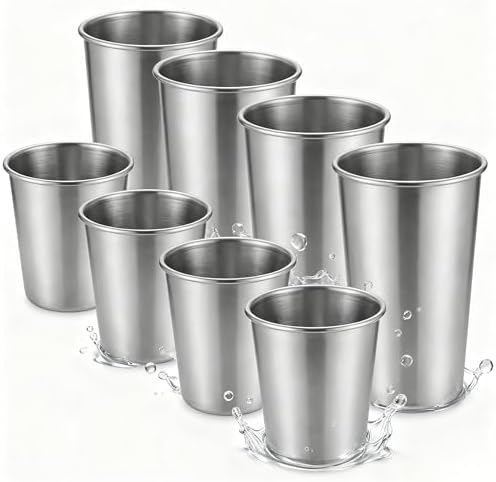
- 【Farielyn-X 8-Pack Value】Complete Family Drinking Set – This smart set includes 4 kid-friendly 8oz cups and 4 adult-size…
- 【Built to Last】Premium 304 Stainless Steel & Unbreakable -Made from food-grade 304 stainless steel, these cups are BPA-f…
- 【Space-Saving & Convenient】Nestable & Stackable Design – Both the 8oz and 16oz cups are designed to stack neatly inside …
This unbreakable 8-cup stainless steel set gives every guest a reusable cup, replacing single-use party cups without buying disposables.

- ECO-FRIENDLY CHOICE: These aren’t just plates or bowls; they’re a revolution made from recycled/repurposed bagasse and b…
- BIODEGRADABLE CHAMPIONS: These BPI-certified 100% compostable all-stars aren’t destined for the landfill. At a commercia…
- HEAVY-DUTY AND MICROWAVABLE: Don’t underestimate these nature warriors. Our plates are four times stronger than standard…
If real crockery isn’t an option, these compostable sugarcane plates offer a lower-waste backup that avoids the landfill impact of standard disposable plates.
🌿 Get Your Eco-Swaps Delivered Free
Try Amazon Prime free for 30 days — fast free delivery on sustainable essentials, plus Prime Video and more. Cancel anytime.
Start Your Free Prime TrialAs an Amazon Associate we earn from qualifying purchases.