As an Amazon Associate, WasteZero earns from qualifying purchases. Some links on this page are affiliate links, at no extra cost to you.
Are you looking to understand how waste management works across the European Union? Managing waste properly isn’t just about following rules—it’s about protecting your environment, saving money, and making smarter choices every day.
This EU Waste Management Guide will give you clear, simple steps to handle your waste efficiently and responsibly. Whether you’re a business owner, a homeowner, or just someone who cares about the planet, this guide is made for you. Keep reading to discover practical tips that can make a real difference in your community and your life.
Eu Waste Regulations
The EU Waste Regulations set clear rules for managing waste across Europe. They aim to protect the environment and human health. These rules help reduce waste and encourage recycling and reuse. Every country in the EU must follow these regulations. Businesses and individuals must also comply with them.
Key Eu Directives
The Waste Framework Directive is the main rule. It defines waste and sets the waste hierarchy. The hierarchy prioritizes waste prevention, reuse, and recycling. The Landfill Directive limits the amount of waste sent to landfills. The Packaging and Packaging Waste Directive controls packaging waste. The Hazardous Waste Directive manages dangerous waste safely.
Compliance Requirements
Companies must report the type and amount of waste they produce. They must follow rules for waste collection and treatment. Waste must be separated to improve recycling rates. Businesses should keep records of waste handling and disposal. Non-compliance can result in fines or other penalties.
Recent Policy Updates
The EU updated rules to boost the circular economy. New targets aim to increase recycling rates by 2030. Restrictions on single-use plastics have been strengthened. Member states must improve waste tracking systems. These updates support sustainable growth and reduce environmental harm.
Waste Classification
Waste classification is a key step in managing waste across the European Union. It helps to identify the type of waste and the best way to handle it. Proper classification ensures safe disposal and supports recycling efforts. It also helps businesses and governments follow the law.
Understanding waste types and codes makes it easier to sort and treat waste correctly. This section explains the main types of waste, the difference between hazardous and non-hazardous waste, and the coding systems used in the EU.
Types Of Waste In The Eu
The EU categorizes waste into several types. Common groups include municipal waste, industrial waste, and construction waste. Each type has specific handling rules. Municipal waste comes from homes and public places. Industrial waste is from factories and production sites. Construction waste includes materials like concrete, wood, and metals.
Hazardous Vs Non-hazardous
Hazardous waste can harm health or the environment. It may contain toxic chemicals, flammable materials, or infectious substances. Non-hazardous waste is safer and easier to manage. Examples include paper, plastic, and organic waste. Correctly identifying hazardous waste is vital for safe disposal and legal compliance.
Waste Coding Systems
The EU uses a standardized coding system called the European Waste Catalogue (EWC). Each waste type has a unique six-digit code. These codes help track and manage waste across borders. They also guide waste handlers on the correct treatment methods. Using the right code reduces risks and improves recycling rates.
Waste Collection Strategies
Waste collection strategies are key to managing waste effectively across the EU. They help keep communities clean and support recycling efforts. Different methods work best for different types of waste and local needs. Planning and organization make collection smooth and efficient.
Segregation Methods
Segregation means sorting waste into categories before collection. Common groups include organic, recyclable, and non-recyclable waste. This helps recycling centers process materials faster and reduces landfill use. Clear bins and labels guide residents on where to place their waste. Proper segregation improves recycling rates and lowers contamination.
Collection Schedules
Regular collection schedules keep waste from piling up. Some areas collect waste daily, others weekly or biweekly. Different waste types often have different schedules. For example, organic waste may be collected more often than bulky items. Timely collection prevents odors and pests. Publishing schedules helps residents follow them easily.
Community Involvement
Community involvement boosts the success of collection programs. Educating people about waste sorting and schedules is vital. Local groups can organize clean-up events and awareness campaigns. Residents who participate feel pride in their neighborhoods. Cooperation between citizens and authorities ensures cleaner streets and better waste management.
Recycling Best Practices
Recycling is a key part of managing waste in the EU. It helps save resources and reduce landfill use. Following best practices can improve recycling efforts and protect the environment. Clear steps and simple habits make recycling more effective for everyone.
Materials Suitable For Recycling
Many materials can be recycled easily. Paper, cardboard, glass, and metal are common choices. Plastic types vary; some can be recycled, others not. Check local rules to know which plastics to recycle. Proper sorting of materials helps recycling centers work better.
Innovative Recycling Techniques
New methods improve recycling quality and speed. Mechanical recycling breaks down materials for reuse. Chemical recycling turns plastics back into raw materials. Some places use advanced sorting machines with sensors. These techniques help recycle more types of waste efficiently.
Reducing Contamination
Contamination lowers recycling quality and value. Dirty or mixed waste can spoil whole batches. Rinse containers before recycling to keep them clean. Avoid putting food waste or non-recyclables in bins. Clear instructions and labels help reduce mistakes.
Waste Treatment Technologies
Waste treatment technologies play a key role in managing waste safely and efficiently. These technologies reduce the impact of waste on the environment. They help recover useful materials and energy from waste. The European Union supports many waste treatment methods to meet its environmental goals.
Mechanical Biological Treatment
Mechanical Biological Treatment (MBT) combines mechanical sorting with biological processes. The mechanical part separates recyclable materials from waste. The biological part breaks down organic matter using microbes. This method reduces the volume of waste sent to landfills. MBT also produces compost or biogas, useful as renewable energy sources.
Incineration And Energy Recovery
Incineration burns waste at high temperatures. It reduces waste volume by up to 90 percent. This process produces heat, which can generate electricity or provide heating. Energy recovery from waste helps lower dependence on fossil fuels. Strict controls ensure harmful emissions stay low during incineration.
Landfill Management
Landfills store waste safely underground or in lined pits. Modern landfills use liners and covers to protect soil and water. They collect methane gas released by decomposing waste. This gas can be used as energy. Proper landfill management prevents pollution and health risks to nearby communities.
Sustainable Waste Policies
Sustainable waste policies are key to managing waste in the European Union. They aim to reduce waste and protect the environment. These policies promote reusing materials and cutting down landfill use. The focus is on long-term benefits for people and nature.
These policies guide businesses, governments, and citizens to handle waste responsibly. They support cleaner production and smarter consumption. Clear rules help reduce pollution and save resources. The EU sets strong standards for all member states.
Circular Economy Models
Circular economy models keep materials in use for longer. They encourage repairing, reusing, and recycling products. This approach lowers the need for new raw materials. It also cuts waste and pollution. Businesses design products to be easy to fix and recycle.
The EU promotes this model to reduce environmental impact. It helps create jobs in recycling and repair sectors. Consumers benefit by getting durable and sustainable goods. Circular economy supports a cleaner and healthier planet.
Extended Producer Responsibility
Extended Producer Responsibility (EPR) makes producers responsible for their products’ waste. Companies must manage the collection and recycling of their items. This encourages them to design eco-friendly products. It also reduces waste sent to landfills.
EPR systems help fund recycling programs and waste treatment. They shift costs from taxpayers to producers. This approach drives innovation in packaging and product design. The EU enforces EPR rules to improve waste management.
Incentives For Waste Reduction
Incentives encourage people and companies to cut waste. These can include tax breaks, grants, or rewards for recycling. Financial support helps develop new technologies and eco-friendly practices. It motivates all sectors to reduce waste generation.
The EU uses incentives to promote sustainable habits. They help lower waste and protect natural resources. These measures support a cleaner environment and stronger economy.
Challenges In Eu Waste Management
Managing waste in the European Union faces many difficulties. These challenges slow down progress toward cleaner, greener cities and towns. Understanding these problems helps improve waste management systems. It also guides policies for better environmental health.
Cross-border Waste Issues
Waste moves across EU countries daily. Sometimes, this causes problems with tracking and control. Different rules in member states create confusion. Waste may end up in places not equipped to handle it. This raises concerns about pollution and health risks. Cooperation between countries is essential to solve these issues.
Illegal Dumping
Illegal dumping remains a big problem in the EU. Some people dump waste in forests, rivers, or empty lots. This harms nature and public health. It is hard to catch offenders due to limited resources. Stronger enforcement and public awareness can help reduce illegal dumping.
Resource Constraints
Many EU regions lack enough funds for waste management. Limited staff and equipment slow down recycling and waste treatment. Some areas struggle to build new facilities. This delays progress toward EU waste goals. More investment and support are needed to overcome these limits.
Future Trends
The future of EU waste management is shaping up with exciting changes. These changes aim to make waste handling smarter and greener. New technologies and community efforts will play big roles. The goal is to reduce waste and protect the environment. Understanding these future trends helps businesses and citizens prepare and act responsibly.
Digital Waste Tracking
Digital waste tracking uses technology to monitor waste from start to end. Sensors and software track waste movement in real time. This helps reduce illegal dumping and improves recycling rates. Data collected makes waste management more efficient and transparent. Authorities can spot problems early and fix them quickly.
Green Technology Innovations
Green technology focuses on tools that reduce environmental harm. New machines turn waste into energy or reusable materials. Biodegradable packaging and composting tech also grow in popularity. These innovations lower pollution and save natural resources. They make waste processing cleaner and cheaper over time.
Community-led Initiatives
Communities take more action in managing their waste. Local groups organize cleanups and recycling drives. Education programs teach people how to reduce waste at home. These initiatives create strong public support for waste policies. Community efforts lead to cleaner neighborhoods and less landfill use.
Gear Worth Considering
A couple of real products that fit directly with what this guide covers:
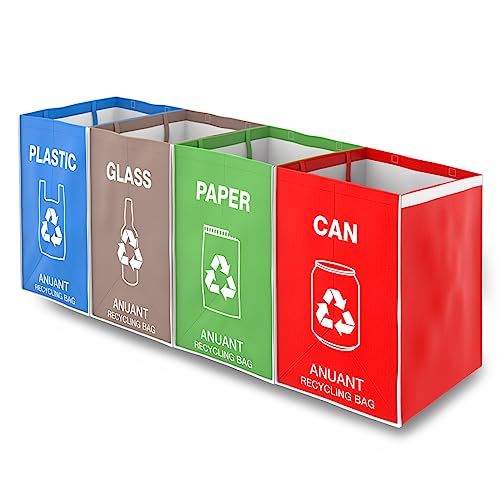
- The Perfect Solution: Looking for a way of creating a functional and effective recycling system in your home or office? …
- Sturdy and Durable Construction: Our recycle bins are made employing premium grade, highly durable materials, a combinat…
- Large Capacity: Unlike similar products on the market, this recycling trash can features a 10 gallon/38 liter holding ca…
These sorting bins let you practice the EU waste hierarchy at home by separating recyclables before they ever reach a landfill.

- Efficient Recycling Solution: The Acrimet Wastebasket Bin for Recycling comes in a set of 4, each designated for a speci…
- Durable Plastic Construction: Crafted from high-quality plastic, thick walls, no sharp edges and a Universal Recycling S…
- Stackable Design: When not in use, these wastebaskets can be conveniently stacked to save space, making them perfect for…
This color-coded four-bin set supports the EU waste hierarchy’s emphasis on sorting materials for recycling by material type.
Frequently Asked Questions
What Are The Key Eu Waste Management Regulations?
The EU enforces strict waste management rules to promote recycling and reduce landfill use. Key laws include the Waste Framework Directive and Circular Economy Action Plan.
How Does The Eu Promote Sustainable Waste Management?
The EU encourages waste prevention, reuse, and recycling. It supports member states with funding and strategies to achieve a circular economy.
What Types Of Waste Does The Eu Regulate?
The EU regulates municipal, hazardous, electronic, plastic, and construction waste. Each type has specific disposal and recycling guidelines to protect the environment.
How Can Businesses Comply With Eu Waste Laws?
Businesses must follow waste sorting, reporting, and disposal rules. Compliance includes proper labeling, documentation, and cooperation with certified waste handlers.
Conclusion
Effective EU waste management helps protect the environment and health. It reduces pollution and saves valuable resources. Everyone can play a role by following local rules and recycling properly. Small actions add up to big changes across Europe. Stay informed and support sustainable waste practices.
Together, we can keep our communities clean and green for future generations. Waste management is not just a policy; it’s a shared responsibility that benefits us all.
Further reading: zero waste (Wikipedia)
🌿 Get Your Eco-Swaps Delivered Free
Try Amazon Prime free for 30 days — fast free delivery on sustainable essentials, plus Prime Video and more. Cancel anytime.
Start Your Free Prime TrialAs an Amazon Associate we earn from qualifying purchases.