Are you ready to make a real difference in your daily life? Choosing a sustainable lifestyle in EU countries isn’t just a trend—it’s a powerful way to protect your future and the planet.
Imagine saving money, feeling healthier, and supporting communities, all while reducing your carbon footprint. This article will show you simple, practical steps you can take right now to live more sustainably where you are. Stay with us, and discover how your choices can create a positive impact every day.
Eco-friendly Habits In Daily Life
Adopting eco-friendly habits in daily life helps protect the environment. Small changes create a big impact over time. Many people in EU countries practice simple ways to live sustainably. These habits reduce waste, save resources, and lower pollution.
Reducing Plastic Waste
Plastic harms oceans and wildlife. Using reusable bags and bottles cuts plastic use. Choosing products without plastic packaging also helps. Recycling plastic properly reduces landfill waste. Avoid single-use items like straws and cutlery.
Conserving Water And Energy
Turning off taps while brushing saves water. Fixing leaks prevents water loss. Using energy-efficient appliances reduces electricity use. Switching off lights when not needed saves power. Small habits lower bills and help nature.
Choosing Sustainable Transportation
Walking and biking reduce air pollution. Public transport cuts traffic and emissions. Carpooling shares rides and saves fuel. Electric and hybrid cars produce less pollution. These choices improve air quality and health.
Credit: www.greenmatch.co.uk
Sustainable Food Choices
Choosing sustainable food helps protect the environment and supports local communities. Many people in EU countries focus on food habits that reduce harm to nature. These choices lower carbon footprints and waste. They also promote healthier lifestyles and stronger local economies.
Eating Local And Seasonal
Eating local food means buying from nearby farms. This reduces pollution from long transportation routes. Seasonal foods are fresher and taste better. They need less energy to grow and store. Local markets and farmers’ shops are great places to find these foods. Choosing seasonal fruits and vegetables helps nature stay balanced.
Embracing Plant-based Diets
Plant-based diets use more vegetables, fruits, grains, and nuts. They need fewer natural resources like water and land. Eating less meat lowers greenhouse gas emissions. Many people in the EU try vegetarian or vegan meals a few times a week. This change benefits personal health and the planet.
Minimizing Food Waste
Throwing away food wastes energy and money. EU countries promote ways to use all food parts. Planning meals helps buy only what is needed. Leftovers can become new dishes. Composting food scraps turns waste into useful soil. These habits save resources and reduce landfill problems.
Green Home Practices
Green home practices help reduce energy use and waste. They create healthier living spaces and protect the environment. Many people in EU countries adopt these habits to live more sustainably. Small changes inside the home make a big difference over time.
Energy-efficient Appliances
Energy-efficient appliances use less electricity than old models. They lower your energy bills and reduce pollution. Many EU countries offer labels to show which appliances save energy. Choose refrigerators, washing machines, and lights with high efficiency ratings. These products last longer and work better.
Eco-friendly Cleaning Products
Eco-friendly cleaning products avoid harmful chemicals. They protect your family’s health and reduce water pollution. Many stores in Europe sell biodegradable and natural cleaners. These products clean well without toxic fumes or residues. Using them helps keep the air and water clean.
Sustainable Home Renovations
Sustainable home renovations use materials that are natural and recycled. They improve insulation to keep houses warm in winter and cool in summer. Many EU homeowners install solar panels and rainwater systems. These changes save energy and reduce water use. Renovations like these add value to the home and help the planet.
Community And Policy Initiatives
Community and policy initiatives are vital for a sustainable lifestyle in EU countries. These efforts help protect the environment and improve quality of life. People and governments work together to create green spaces and reduce pollution. Local actions add up to big changes across Europe.
Participating In Local Green Projects
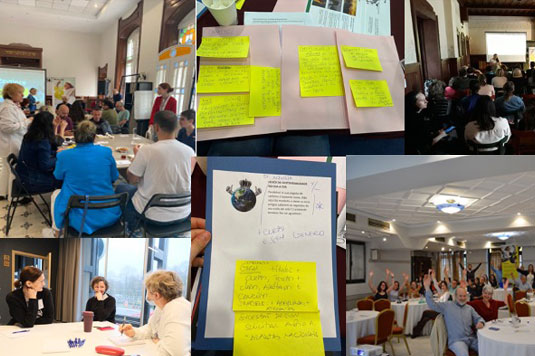
Many EU communities organize green projects like tree planting and park cleanups. Joining these activities supports nature and builds strong community bonds. Volunteers learn about local plants and wildlife. These projects make neighborhoods cleaner and healthier.
Supporting Environmental Policies
Governments in EU countries create rules to protect air, water, and land. Citizens can support these policies by voting and sharing information. Laws often focus on reducing waste and encouraging renewable energy. Public support helps governments enforce these rules better.
Engaging In Eco-friendly Consumerism
Choosing products made with care for the environment helps reduce waste. Buying local food and goods cuts down on pollution from transport. People also prefer reusable items instead of single-use plastic. Small changes in shopping habits can protect the planet.
Traveling Sustainably Across Europe
Traveling sustainably across Europe means enjoying the continent while protecting its beauty. It helps reduce pollution and conserves resources for future visitors. Small choices during trips make a big difference for the environment and local communities. Sustainable travel supports cleaner air, less waste, and healthier cities.
Using Public Transport And Cycling
Public transport in Europe is widespread and efficient. Trains, buses, and trams often run frequently in cities and towns. Choosing public transport cuts down car emissions and traffic jams. Many European cities also offer bike rentals. Cycling is a clean, healthy way to explore. It reduces pollution and gives a closer view of local life.
Choosing Eco-friendly Accommodations
Eco-friendly hotels and hostels follow green practices. They save water and energy and reduce waste. Some use solar panels or recycle materials. Staying in these places supports businesses that care for the planet. Look for certifications like Green Key or EU Ecolabel. These marks show real efforts toward sustainability.
Reducing Carbon Footprint On Trips
Plan trips with fewer flights or choose trains instead. Pack light to lower transport energy use. Eat local food to reduce food miles and support farmers. Bring reusable water bottles and bags to avoid plastic waste. Small actions like these lower the overall carbon footprint of travel. They help keep Europe’s environment clean and beautiful.
Credit: sdgwatcheurope.org
Credit: www.cscp.org
Frequently Asked Questions
What Is A Sustainable Lifestyle In Eu Countries?
A sustainable lifestyle in EU countries means reducing waste, conserving energy, and using eco-friendly products. It promotes environmental protection and supports local economies. Many EU nations encourage recycling, renewable energy use, and sustainable transport to lower carbon footprints and preserve natural resources for future generations.
How Do Eu Countries Promote Sustainable Living?
EU countries promote sustainability through policies, education, and incentives. They support renewable energy, waste reduction, and green public transport. Governments often provide subsidies for eco-friendly products and encourage sustainable agriculture. Public awareness campaigns also play a key role in motivating citizens to adopt greener habits and reduce environmental impact.
Which Eu Countries Lead In Sustainable Practices?
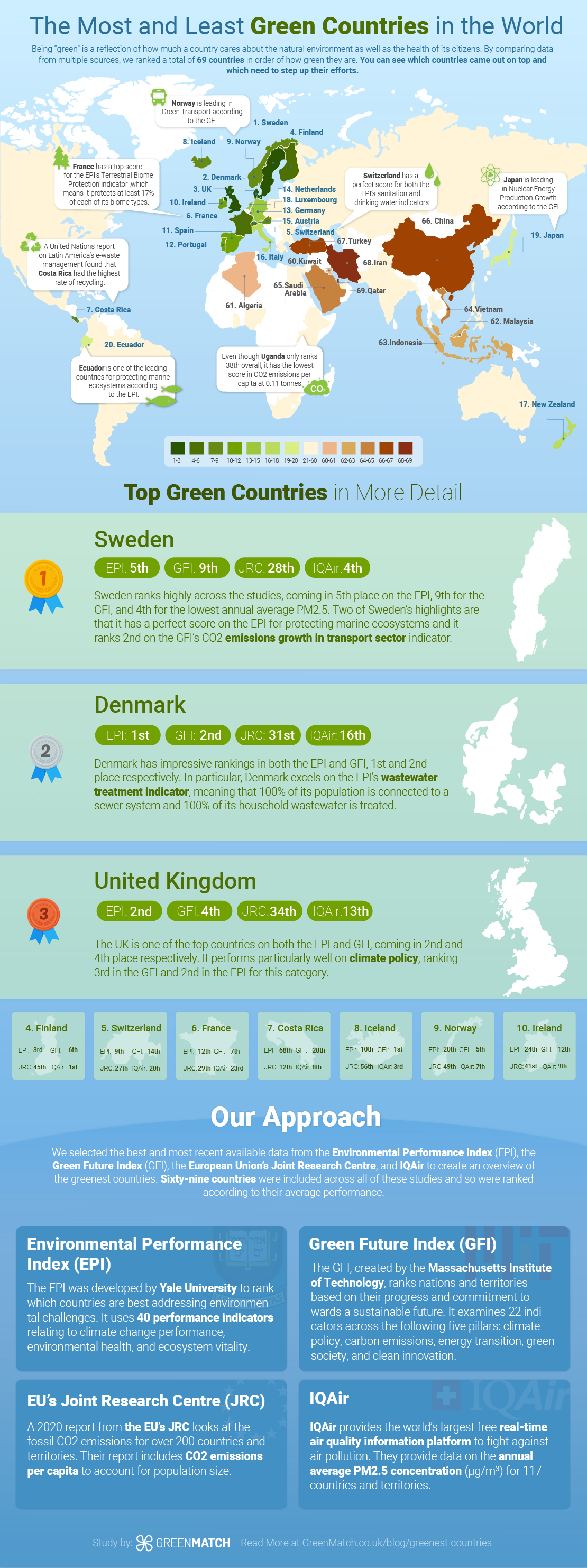
Sweden, Denmark, and Germany are leaders in sustainable living within the EU. They excel in renewable energy use, waste management, and green infrastructure. These countries also prioritize eco-friendly urban planning and sustainable transport systems. Their strong environmental policies set examples for other EU nations to follow and improve sustainability standards.
How Does Sustainable Lifestyle Impact The Environment In Eu?
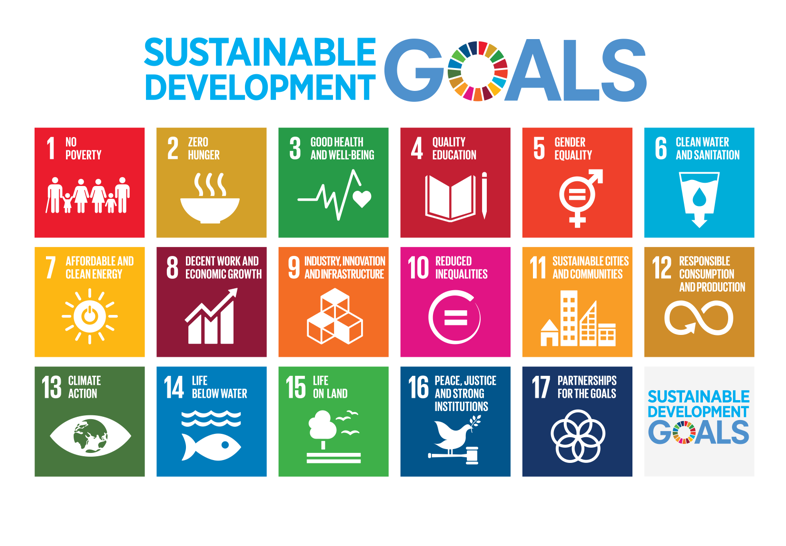
Adopting sustainable lifestyles in the EU helps reduce pollution and conserve natural resources. It lowers greenhouse gas emissions and protects biodiversity. Sustainable practices improve air and water quality, contributing to healthier ecosystems. Overall, these efforts support the EU’s climate goals and enhance the quality of life for residents.
Conclusion
Sustainable living shapes a healthier future for EU countries. Small daily choices make a big impact. Saving energy, reducing waste, and choosing local products help. Communities grow stronger by working together on green goals. Everyone can join in and make a change.
The planet benefits when we act responsibly now. A simple lifestyle supports cleaner air and water. Sustainability is not hard—just smart and kind. Let’s keep moving toward a greener Europe, step by step.
🌿 Get Your Eco-Swaps Delivered Free
Try Amazon Prime free for 30 days — fast free delivery on sustainable essentials, plus Prime Video and more. Cancel anytime.
Start Your Free Prime TrialAs an Amazon Associate we earn from qualifying purchases.