Are you sure you’re sorting your waste the right way? In Europe, waste separation rules are more important than ever—and knowing them can save you time, money, and even help protect the planet.
Whether you’re at home or work, understanding these simple guidelines will make your daily routine easier and more effective. Keep reading to discover exactly what you need to know to separate your waste like a pro and make a real difference.
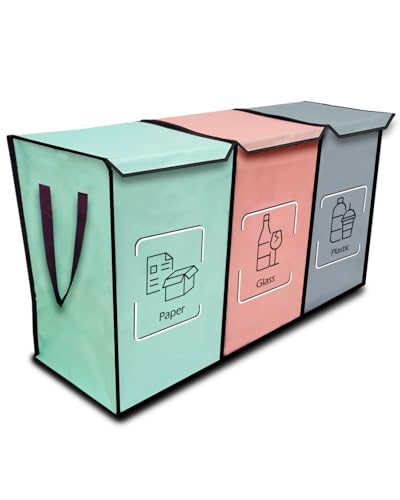
- Discover the IDEAL SYSTEM by colors and simple drawings to separate garbage into different materials such as paper, card…
- Our recycling bags have excellent FEATURES such as their strong, semi-rigid material, which makes them collapsible, wate…
- The DIMENSIONS of the assembled set are 34.2” front, 11.4” depth and 18.8” height (87 cm front, 29 cm depth and 48 cm…
As an Amazon Associate, we earn from qualifying purchases at no extra cost to you.
Waste Separation Basics
Understanding waste separation is key to following European rules. It helps reduce pollution and supports recycling efforts. Separating waste properly makes recycling easier and more efficient. This section explains the basics of waste separation in Europe.
Key Waste Categories
Waste is divided into main groups for easy sorting. These include paper, plastic, glass, metal, and organic waste. Each type goes into a different bin. This separation helps recycling centers process materials correctly. Proper sorting also prevents contamination of recyclable items.
Common Sorting Symbols
Sorting symbols guide you on how to dispose of items. Look for triangles with numbers for plastics. Paper and cardboard often have a recycling logo. Glass containers show a bottle symbol. These signs help you sort waste faster and better. Knowing them reduces mistakes in bins.
Why Separation Matters
Separated waste lowers landfill use and saves natural resources. It cuts down energy needed for making new products. Clean recycling improves the quality of recycled materials. This helps create new goods without harming the environment. Waste separation supports a cleaner, healthier Europe.
Country-specific Rules
Waste separation rules differ across European countries. Each nation adapts its system to local needs and habits. These rules affect how residents sort their waste daily. Understanding these specific rules helps to follow them correctly.
Some countries focus on strict laws and fines. Others rely on clear sorting bins and public education. Regional differences also show how culture shapes waste management. Let’s explore some country-specific waste separation rules in Europe.
Germany’s Strict Policies
Germany enforces strict waste separation laws. Residents must separate paper, plastics, glass, and organic waste. Authorities inspect waste regularly to ensure compliance. Fines are common for incorrect sorting. This strictness helps Germany recycle a large amount of waste.
Special bins are provided for each waste type. The system encourages people to reduce landfill waste. Germany also promotes return schemes for bottles and cans.
France’s Sorting System
France uses color-coded bins to simplify sorting. Blue bins collect paper and cardboard. Yellow bins are for plastics and metals. Green bins serve glass recycling. Organic waste must go into separate compost bins.
The government runs campaigns to teach proper sorting. Many cities provide clear instructions on bin use. This system aims to increase recycling rates nationwide.
Italy’s Regional Variations
Italy’s waste rules vary by region. Northern regions generally have more advanced systems. Southern regions sometimes face challenges in waste management. Some areas use door-to-door collection to separate waste. Others rely on communal bins in neighborhoods.
Local governments decide sorting categories and schedules. This creates a patchwork of rules across the country. Residents must check local guidelines to comply correctly.
Scandinavian Best Practices
Scandinavian countries lead in waste separation and recycling. They use simple, clear sorting methods. Norway, Sweden, and Denmark provide well-labeled bins everywhere. Organic waste is often separated for composting or biogas.
These countries emphasize public participation and education. Many use deposit systems for bottles and cans. Their approach results in very high recycling rates and low landfill use.
Recycling Procedures
Recycling procedures in Europe follow strict rules to reduce waste and protect the environment. These procedures help sort materials correctly for recycling plants. Proper recycling keeps useful materials in use and lowers pollution.
Each type of waste needs special care. Sorting waste properly makes recycling easier and more effective. Here are the key steps in recycling procedures under European waste separation rules.
Preparing Materials
Clean materials before recycling. Remove food leftovers and liquids from containers. Flatten boxes and plastic bottles to save space. Separate glass by color if required. Proper preparation speeds up recycling and improves quality.
Handling Hazardous Waste
Hazardous waste needs careful handling. This includes batteries, chemicals, and paints. Store them in special containers to avoid leaks. Do not mix hazardous waste with regular trash. Take hazardous waste to designated collection points for safe disposal.
Electronic Waste Disposal
Electronic waste contains valuable and harmful materials. Remove batteries before disposal. Use official e-waste collection centers for old electronics. Recycling e-waste recovers metals and reduces toxic waste. Never throw electronics in normal bins.
Eco-friendly Living Tips
Living eco-friendly helps protect our planet. Small changes in daily life make a big difference. Waste separation in Europe supports cleaner recycling and less pollution. Following simple tips can reduce waste and save resources. These actions fit well with European waste rules. Let’s explore easy ways to live greener at home.
Reducing Waste At Home
Cutting waste starts with smart shopping. Buy only what you need. Choose products with less packaging. Use reusable bags and containers. Avoid single-use plastics like straws and cutlery. Fix items instead of throwing them away. These habits lower trash and help the environment.
Composting Organic Waste
Composting turns food scraps into rich soil. Collect vegetable peels, coffee grounds, and eggshells. Avoid meat and dairy in compost. Use a bin or pile in your garden. Compost reduces landfill waste and greenhouse gases. It also improves soil for plants and gardens.
Choosing Sustainable Products
Pick items made from recycled or natural materials. Look for products with eco-labels or certifications. Choose durable goods that last longer. Support brands with clear environmental policies. Avoid products with harmful chemicals. Sustainable choices lower your impact on nature and align with waste rules.
Challenges In Waste Separation
Waste separation in Europe faces many challenges. These obstacles slow down recycling and increase waste problems. Understanding these issues helps improve systems and protect the environment.
Common Mistakes To Avoid
Many people mix different waste types by accident. This mistake causes more work for recycling centers. Items like plastic bags often end up in paper bins. Food waste in recycling containers is another problem. Clear rules and easy signs help reduce these errors.
Addressing Contamination Issues
Contamination happens when wrong materials mix with recyclables. It lowers the quality of recycled products. Dirty containers or leftover food cause contamination. Recycling plants spend more time and money to fix this. Regular cleaning and careful sorting are essential to fight contamination.
Improving Public Participation
Public involvement is crucial for effective waste separation. Many people do not know the correct way to sort waste. Education and simple instructions encourage better habits. Local campaigns and community programs increase awareness. More participation leads to higher recycling rates and less landfill waste.
Future Trends
The future of waste separation in Europe is shaping up with exciting changes. Advances in technology, new policies, and community efforts will all play key roles. These trends aim to reduce waste and increase recycling rates across the continent.
Innovations In Recycling Technology
New machines can sort waste faster and more accurately. Sensors and robots help separate materials like plastic, glass, and paper. This technology lowers contamination and boosts recycling quality. Biodegradable materials and chemical recycling are also gaining attention. These methods turn waste into valuable resources.
Policy Changes On The Horizon
European governments plan stricter rules on waste separation. Targets for recycling and waste reduction will rise. Laws will encourage producers to design eco-friendly products. Deposit return systems for bottles and cans will expand. These policies support a circular economy and less landfill use.
Community Initiatives And Impact
Local groups are educating people about sorting waste properly. Schools and neighborhoods join clean-up drives and recycling programs. Community composting helps reduce food waste. These actions create a strong culture of environmental care. People feel more responsible for their waste habits.
Frequently Asked Questions
What Are The Main Waste Separation Categories In Europe?
Europe’s waste separation includes paper, plastic, glass, organic waste, and general waste. Each category is collected separately for recycling or disposal. This system helps reduce landfill waste and promotes recycling efficiency across member states.
Why Is Waste Separation Important In Europe?
Waste separation improves recycling rates and reduces environmental pollution. It conserves natural resources and minimizes landfill use. European regulations encourage citizens to separate waste to support sustainability and circular economy goals.
How Do European Countries Differ In Waste Separation Rules?
Waste separation rules vary by country in sorting methods and collection schedules. Some nations have strict recycling targets, while others focus on composting organic waste. Local guidelines reflect national policies and infrastructure capabilities.
Can Improper Waste Separation Lead To Penalties In Europe?
Yes, many European countries impose fines for incorrect waste sorting. Penalties encourage compliance with recycling rules. Proper separation ensures efficient waste management and reduces contamination in recycling streams.
Conclusion
Separating waste correctly helps protect the environment. It saves resources and reduces pollution. Each country in Europe has clear rules to follow. Knowing these rules makes recycling easier for everyone. Small efforts add up to big changes. Keep waste separation simple and consistent at home.
Together, people can create cleaner and greener cities. Waste separation is a small step with a big impact. Stick to the rules and encourage others to do the same. Cleaner Europe starts with each one of us.
🌿 Get Your Eco-Swaps Delivered Free
Try Amazon Prime free for 30 days — fast free delivery on sustainable essentials, plus Prime Video and more. Cancel anytime.
Start Your Free Prime TrialAs an Amazon Associate we earn from qualifying purchases.