As an Amazon Associate, WasteZero earns from qualifying purchases. Some links on this page are affiliate links, at no extra cost to you.
Building a zero waste bathroom in Europe doesn’t require perfection—it requires intention. Most people generate unnecessary trash in the bathroom without realizing it: single-use plastic bottles, disposable razors, cotton pads, and packaging that pile up faster than you’d expect. The good news? You can dramatically reduce that waste with simple swaps, strategic purchases, and a few key habits. This guide walks you through every step to create a functional, waste-free bathroom that actually works for your life in Europe.
How We Picked These Steps
Our approach is based on practical advice from waste-reduction experts, environmental guidelines from the European Commission’s environmental programs, and real-world feedback from European households who’ve successfully transitioned to zero waste bathrooms. We’ve avoided oversimplified advice and instead focused on realistic, achievable changes that deliver measurable results.
What You’ll Need Before You Start
Before diving into the steps, gather a few foundational items. You don’t need everything at once—build your zero waste bathroom gradually as you use up existing products. However, having a solid base makes the transition smoother.
Essential items to source:
- Reusable containers (glass jars, metal tins)
- Natural soaps and solid alternatives
- Compostable or reusable cleaning supplies
- A guide or resource for sustainable swaps
We recommend starting with an informative guide to understand the broader philosophy. Zero Waste Living, The 80/20 Way is a practical book that breaks down waste reduction without perfectionism—ideal for busy people making real changes:
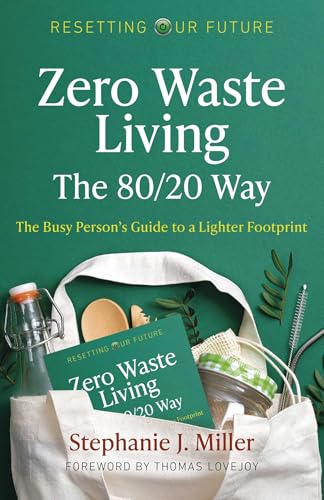
This 4.8-star guide focuses on the 80/20 rule—meaning you get 80% of the results with 20% of the effort. Readers consistently report that it removes the overwhelm from zero waste living and provides actionable first steps specific to high-consumption areas like the bathroom. Best for: Anyone new to waste reduction who wants practical, non-judgmental advice. Who This Is NOT For: Perfectionists seeking an all-or-nothing approach, or those already deep into zero waste who need advanced strategies rather than foundational principles.
For low-cost starting points, search for bamboo toothbrush sets on Amazon—typically €8–15 per set of 4, making them far cheaper than electric toothbrushes over time. Many European reviewers note they’re durable and compostable, solving two problems at once.
Step 1: Audit Your Current Bathroom Waste
You can’t reduce waste you don’t measure. Spend one week documenting everything you throw away from your bathroom. Include plastic bottles, packaging, cotton pads, wipes, dental floss, razor blades, and any other disposables.
Create a simple table or list:
| Item Type | Frequency (per week) | Material | Recyclable? |
|---|---|---|---|
| Plastic shampoo bottle | 1 | Plastic #2 | Yes, but rarely happens |
| Cotton pads | 7 | Cotton + plastic | No (contaminated) |
| Disposable razor | 1 | Plastic + metal | No (mixed material) |
| Dental floss (plastic) | 7 | Plastic | No (too thin) |
This audit reveals your biggest offenders. Focus on replacing high-frequency items first—they deliver the most impact.
Step 2: Replace Liquid Soaps and Shampoos with Bars
Liquid products are typically 80% water, shipped in plastic bottles, and generate packaging waste constantly. Bar soaps, solid shampoos, and conditioner bars last 3–5 times longer and eliminate packaging entirely when bought package-free or in recyclable paper.
What to do:
- Buy solid shampoo bars from local European eco-brands or zero waste shops (many offer refill systems)
- Switch to a solid soap bar for body washing—one bar lasts 2–3 months
- Choose deodorant sticks or solid formulas in metal or cardboard containers
- Test a few brands before bulk-buying; solid products vary widely in performance
Pro Tip
Store solid bars on a well-draining soap dish or rack. Wet bars in closed containers breed mold. A simple wooden or metal drain rack costs €2–5 and extends bar life by weeks.
Step 3: Switch to Reusable Cotton Alternatives
Disposable cotton pads and wipes are one of the fastest-accumulating bathroom wastes. A single person using cotton pads daily generates around 2,500 pads per year—nearly all destined for landfill.
Replace them with:
- Reusable cotton rounds: Buy organic cotton rounds (usually sold in packs of 10–20) that you wash and reuse indefinitely
- Microfiber cloths: Even better for makeup removal; they’re washable and last years
- Cloth wipes for toilet use: Create a “wet bag” system with small fabric squares (cut from old cotton t-shirts) and wash them with regular laundry
- Flannel squares: Softer than microfiber and still highly durable for sensitive skin
Store reusable pads in a small glass jar. Wash them weekly with your regular laundry using your chosen detergent. This single swap eliminates over 2,000 pieces of trash annually per person.
Step 4: Choose a Zero Waste Razor and Dental Care System
Disposable razors are designed for single-use profit. A safety razor (the old-school metal kind) costs €20–40 upfront but lasts a lifetime—you only replace the blade every 3–6 months, and even those are recyclable or biodegradable depending on the brand.
For dental care:
- Switch to a bamboo toothbrush (completely compostable at end-of-life)
- Replace plastic dental floss with silk or plant-based versions in cardboard containers
- Use solid toothpaste tablets or powder (eliminate the plastic tube entirely)
- Make your own mouthwash from peppermint essential oil and water, or buy it package-free from refill shops
Pro Tip
Safety razors have a learning curve (2–3 shaves). Watch a YouTube tutorial on proper angle and pressure. Once you dial it in, you’ll never go back to disposables.
Step 5: Stock Reusable Containers and Set Up a Refill Station
Most zero waste bathrooms succeed because they have an organized refill system. Instead of buying new bottles repeatedly, you refill glass containers at local shops, bulk suppliers, or directly from ethical brands that offer returnable/refillable packaging.
Create your refill station:
- Use glass jars or bottles with labels for each product (soap, lotion, oil, etc.)
- Find local zero waste shops in your European city—most offer refill stations for common items
- Keep a supply of small funnels and a measuring spoon to avoid spills
- Store everything in a cabinet or drawer, clearly labeled
If refill shops aren’t available locally, buy larger quantities in recyclable/compostable packaging and decant into reusable containers at home. Many European online retailers now offer sustainable refill options for bathroom products.
Step 6: Eliminate Single-Use Plastic Packaging
Zero waste isn’t just about what you use—it’s about the packaging you bring home. Start refusing products wrapped in non-recyclable plastic. Look for:
- Glass containers instead of plastic
- Paper, cardboard, or kraft packaging
- Refillable systems that take back empty containers
- Package-free options from bulk stores or farmer’s markets
- Local producers who minimize or eliminate packaging
European retailers increasingly offer plastic-free alternatives. Ask your favorite brands directly—consumer demand drives change faster than anything else.
Step 7: Create a Composting System for Bathroom Compostables
Many bathroom items are actually compostable: hair, bamboo toothbrush bristles, wooden toothpicks, natural fibers, and even certain soaps. Instead of throwing them away, compost them.
Set up a small container:
- Use a glass jar or small ceramic bowl on your bathroom shelf
- Collect hair, natural fibers, and compostable items daily
- Empty into your garden compost or local composting scheme weekly
- Label it clearly to avoid confusion with trash
Many European cities offer municipal composting programs. Check your local council’s website—yours might pick up compost from your home or provide a drop-off location.
Pro Tip
Label your compost container with a picture or clear sign. Family members and guests often don’t know which items are compostable, so a visual reminder prevents contamination with regular trash.
Step 8: Stock Sustainable Cleaning Supplies
Most bathroom cleaners come in plastic bottles with harsh chemicals. Replace them with natural, package-free alternatives that actually work.
Essential zero waste cleaners:
- Vinegar: Cuts through soap scum and limescale (buy in glass bottles from bulk stores)
- Baking soda: Gentle abrasive and deodorizer (buy in bulk or large cardboard boxes)
- Castile soap: Multi-purpose cleaner (buy concentrated in glass, dilute at home)
- Wooden brushes and cloths: Replace plastic-handled brushes with wooden or natural fiber versions
Mix your own toilet cleaner (baking soda + vinegar), tub scrub (baking soda + water), and all-purpose spray (vinegar + water + essential oil). Store in glass bottles with spray tops—buy reusable spray bottles or refill existing ones.
Step 9: Rethink Menstrual and Personal Care Products
If applicable, this is one of the highest-impact swaps. Disposable pads and tampons generate significant waste annually. Zero waste alternatives include:
- Menstrual cups: Last 10 years, eliminate packaging waste, cost €20–35 upfront
- Reusable cloth pads: Washable, comfortable, and come in fun patterns
- Period underwear: A newer option that eliminates the need for additional protection
Each person using a menstrual cup saves approximately 2,400 disposable products from landfill over its lifetime. This single change is often cited as the most impactful zero waste bathroom switch.
Step 10: Monitor and Adjust—Create a Maintenance Habit
Zero waste living isn’t static. Products run out, new needs arise, and you’ll discover better options over time. Create a monthly check-in routine:
- Review what you’ve used up and what needs replacing
- Identify any new waste patterns and address them immediately
- Update your supplier list with new local brands or refill shops
- Share what works with friends—word-of-mouth spreads sustainable habits
Track your waste in a small notebook or phone notes app. After three months, you’ll see the dramatic reduction in what you’re throwing away—this positive feedback reinforces the habit.
Common Mistakes to Avoid
Learning what NOT to do saves time and money:
- Don’t rush: Replace products as they run out, not all at once. Buying everything new just to be zero waste defeats the purpose.
- Don’t expect perfection: 80% zero waste is realistic; 100% is usually unsustainable (unless you live in an exceptional area with extensive refill infrastructure).
- Don’t ignore quality: Cheap bamboo toothbrushes fall apart; natural soaps that strip your skin aren’t sustainable if you stop using them. Invest in products that actually work for you.
- Don’t forget hidden waste: Packaging around packaging, ink on labels, and shipping materials still count. Buy locally when possible.
Quick Reference: Zero Waste Bathroom Checklist
| Product Category | Disposable Alternative | Zero Waste Swap | Estimated Cost per Year |
|---|---|---|---|
| Shampoo | Liquid in plastic bottle | Solid bar (refillable or package-free) | €15–25 |
| Cotton pads | Disposable (2,500/year) | Reusable cloth rounds | €8–15 (one-time) |
| Razors | Disposable (€10–15/month) | Safety razor + blades | €5–8 (after initial €30–40) |
| Toothbrush | Plastic (€3–5 per brush) | Bamboo (€2–4 per brush) | €10–15 |
| Dental floss | Plastic in plastic case | Silk/plant-based in cardboard | €5–10 |
| Toilet cleaner | Chemical spray bottles | Vinegar + baking soda (bulk) | €8–12 |
| Menstrual products | Disposable pads/tampons (€80–120/year) | Menstrual cup (€25–35 one-time) | €0–5 (maintenance) |
Frequently Asked Questions
1. How long does it take to build a zero waste bathroom?
Most people transition over 3–6 months, replacing products as they run out naturally. Rushing the process wastes money and resources. Focus on high-frequency items first (shampoo, cotton pads, razors) and gradually address everything else. Your timeline depends on how many products you use and how quickly you go through them.
2. Is a zero waste bathroom more expensive than conventional?
Upfront costs are higher (safety razors, reusable containers, solid products), but annual costs are significantly lower. A safety razor costs €40 once, then €5–8 yearly. Solid shampoo bars last 3–5 times longer than liquid shampoo. After the first year, most people save €100–300 annually compared to disposable alternatives. It’s an investment that pays for itself.
3. Where do I find zero waste bathroom products in Europe?
Start with local zero waste shops (growing rapidly in most European cities), farmer’s markets, and health food stores. Online, check local eco-brands and European retailers specializing in sustainable goods. Many cities also have refill services for common items. Search “[your city] + zero waste shop” or look for community waste reduction groups on social media—locals will recommend the best suppliers.
4. What if I’m allergic to certain natural products?
Test any new product (solid soap, bar shampoo, essential oils) on a small area first. If you have sensitive skin or specific allergies, research formulations carefully—not all natural products are hypoallergenic. Some zero waste brands offer allergen-free options. If you can’t find a zero waste alternative that works for you, use what does; partial sustainability beats abandoning the effort entirely.
5. Can I compost all bathroom waste?
No. Compostable items include hair, natural fibers, bamboo, and certain soaps—but NOT plastic, synthetic materials, or treated products. Check your local composting guidelines; some schemes are stricter than others. When in doubt, ask your municipal waste service or local composting facility. Your compost is only as good as what goes into it.
Recommended Resources for European Zero Waste Buyers
If you’re serious about zero waste beyond just the bathroom, explore sustainable home products for every room. The principles we’ve covered here apply to kitchens, bedrooms, and living spaces too.
Final Thoughts: Your Zero Waste Bathroom Starts Now
A zero waste bathroom isn’t about deprivation or perfectionism—it’s about intentional choices that reduce unnecessary waste while saving money long-term. Start with one or two swaps this week. Pick the items you use most frequently (shampoo, cotton pads, razor) and replace them first. As those products run out, introduce the next tier of changes. In six months, you won’t recognize your bathroom waste stream.
The most powerful part of building a zero waste bathroom isn’t what you stop throwing away—it’s the new habit of thinking before you buy. Every purchase becomes a deliberate choice, not a mindless grab. That shift in consciousness spreads beyond the bathroom into every area of your life, and that’s where real, lasting sustainability begins.
Ready to eliminate bathroom waste?
Start today by auditing your current waste for one week. List every single item you throw away, then pick your first swap from the checklist above. Small changes, repeated consistently, create a zero waste bathroom that actually works.
🛒 Explore Zero Waste Products on AmazonRelated reading: How To Reduce Single Use Plastic At Home 2026
🌿 Get Your Eco-Swaps Delivered Free
Try Amazon Prime free for 30 days — fast free delivery on sustainable essentials, plus Prime Video and more. Cancel anytime.
Start Your Free Prime TrialAs an Amazon Associate we earn from qualifying purchases.