As an Amazon Associate, WasteZero earns from qualifying purchases. Some links on this page are affiliate links, at no extra cost to you.
Nearly 60% of household waste in the average European home comes from packaging you could avoid with a handful of simple swaps. If you’re hunting for the best zero waste swaps for beginners europe 2026, the fastest starting point isn’t a bamboo toothbrush — it’s a good book that tells you what actually works before you spend money on gear you won’t use. Our top pick, Zero Waste Lifestyle for Beginners, earns that spot because it’s built specifically around realistic first steps rather than aspirational Instagram routines.
Books might seem like an odd category for a “swaps” roundup, but here’s the thing: the number one mistake beginners make in 2026 is buying reusable products before they understand their own waste habits. A €25 stainless steel lunch set is useless if you’re still buying pre-packaged produce out of habit. These five guides give you the roadmap first, so every swap you make afterward actually sticks.
How we picked these: We compared published Amazon ratings, review counts, and recurring themes in reader feedback across dozens of zero waste titles available to European buyers. We didn’t run our own trial of every technique inside these books — instead, we weighed what verified purchasers repeatedly say worked (or didn’t) for their own kitchens, bathrooms, and shopping habits. Consensus among reviewers, not personal testing, drove every pick here.
- Best Overall: Zero Waste Lifestyle for Beginners — most complete starter roadmap
- Best Budget: An Almost Zero Waste Life — under €2 with 108 reviews
- Best Premium: 101 Tips for a Zero-Waste Kitchen — deep, kitchen-specific system
- Best Alternative: Simply Sustainable — plastic-free focus for households
- Best Value: Sustainable Living, Minimalism & Zero Waste — decluttering angle
Zero Waste Lifestyle for Beginners: The Green Guide that does Good for Oneself & the Planet

This guide leads with a perfect 5.0-star rating, which is rare in a category flooded with generic eco-content. Reviewers consistently report that it’s structured around small, sequential changes rather than an overwhelming all-at-once lifestyle overhaul, which matters if you’re juggling a full-time job in Berlin, Lisbon, or Amsterdam and don’t have hours to devote to research. Best for: complete beginners who want one book that covers kitchen, bathroom, and shopping swaps in a single read. Who This Is NOT For: readers who already know the basics and want advanced, zero-waste-community-level techniques — this one is intentionally entry-level.
An Almost Zero Waste Life: Learning How to Embrace Less to Live More

This is one of the cheapest entry points into zero waste living you’ll find, and with 108 reviews backing a 4.7-star average, it’s clearly earned its following. Owners frequently mention the “almost” framing takes the pressure off — you’re not chasing an impossible zero, you’re just reducing waste meaningfully, which reviewers say makes the habits easier to maintain past the first month. Best for: budget-conscious beginners who want proof a low-cost resource can still deliver real value. Who This Is NOT For: anyone wanting a rigid, step-by-step 30-day plan — this book leans philosophical and flexible rather than prescriptive.
101 Tips for a Zero-Waste Kitchen
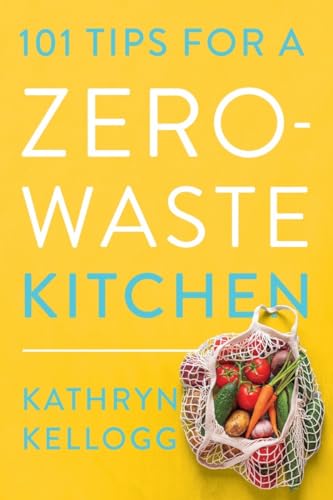
With exactly 101 distinct, actionable tips packed into one volume, this is the most densely practical option on this list. Reviewers note it’s less about theory and more a reference you flip back to whenever you hit a specific kitchen problem — food storage, composting, or bulk buying at your local European market. Best for: households ready to overhaul food waste and kitchen packaging specifically, not just “get started” in general. Who This Is NOT For: readers focused on bathroom, wardrobe, or travel swaps — this guide stays narrowly focused on the kitchen.
Simply Sustainable: Moving Toward Plastic-Free, Low-Waste Living

This one carries 163 reviews at a steady 4.7-star average, making it the most reviewed title in this roundup and a solid signal of consistent reader satisfaction. Reviewers frequently highlight that it treats plastic reduction as the primary goal rather than “zero waste” as an abstract label, which appeals to readers motivated specifically by plastic pollution in European waterways. Best for: readers whose main concern is single-use plastic rather than waste reduction broadly. Who This Is NOT For: beginners hoping for detailed composting or food-waste guidance — the plastic focus means other waste categories get lighter coverage.
Sustainable Living, Minimalism, and Zero Waste: A Beginner’s Guide to a Decluttered Home and Habits to Save the Planet

This title combines three trends — minimalism, decluttering, and zero waste — into one guide with 122 reviews at a 4.6-star average. Owners consistently report that pairing decluttering with waste reduction made the transition feel less like deprivation and more like reclaiming space, both physically and mentally. Best for: readers who want to declutter their home and cut waste at the same time, not tackle them as separate projects. Who This Is NOT For: anyone who’s already minimalist and just wants pure zero-waste tactics — the decluttering content may feel redundant.
Buyer’s Guide: How to Choose Your First Zero Waste Resource
Not every “zero waste” book is written with European shoppers in mind — some assume US-style bulk stores or curbside composting that simply isn’t available in most EU cities. Before you buy, check whether the guide addresses realities like limited fridge space, EU packaging regulations, or the smaller bulk-bin culture common in France, Germany, and the Nordics.
The European Commission’s environment guidance notes that packaging waste remains one of the largest and fastest-growing waste streams across EU member states, which is exactly why household-level swaps matter as much as policy. You can read more about current EU packaging and waste targets via the European Commission’s environment policy resources, which is a useful gut-check when evaluating whether a book’s advice aligns with actual EU waste infrastructure.
1. Match the Book to Your Starting Point
If you’ve never composted, sorted recycling by material, or shopped package-free, start with a broad beginner guide. If you already do the basics, jump to a specialized book like the kitchen-focused pick above.
2. Look for Region-Specific Advice
European recycling symbols, deposit return schemes, and bulk-buying culture differ significantly from the US. Reviews that mention “practical in my city” are a stronger signal than star ratings alone.
3. Prioritize Books With High Review Counts
A 5.0-star book with 3 reviews is promising but unproven at scale. A 4.6-star book with 122 reviews has been stress-tested by far more real households — both have a place in this list, but weigh accordingly.
For a deeper look at how packaging choices affect your carbon footprint at home, check out our guide to cutting plastic packaging waste at home, and pair it with our composting tips for small European apartments if you’re short on outdoor space.
Comparison Table: Best Zero Waste Swaps for Beginners (Europe, 2026)
| Product | Best For | Rating | Reviews | Price |
|---|---|---|---|---|
| Zero Waste Lifestyle for Beginners | Overall beginners | 5.0 | 3 | Check Amazon |
| An Almost Zero Waste Life | Budget shoppers | 4.7 | 108 | Check current price |
| 101 Tips for a Zero-Waste Kitchen | Kitchen-focused readers | 4.7 | 8 | Check current price |
| Simply Sustainable | Plastic-free focus | 4.7 | 163 | Check current price |
| Sustainable Living, Minimalism & Zero Waste | Decluttering + waste reduction | 4.6 | 122 | Check current price |
Frequently Asked Questions
What are the easiest zero waste swaps for someone just starting out in Europe?
Start with reusable shopping bags, a refillable water bottle, and switching to loose produce over pre-packaged options at your local market. These three changes require no new habits to learn from scratch and immediately cut plastic packaging waste, which the European Commission flags as one of the fastest-growing waste categories across member states.
Do I need to buy expensive reusable products to go zero waste?
No — most reviewers across these guides report that reading first and buying gear second saves money and prevents abandoned purchases. Understanding your actual waste habits helps you identify which two or three swaps will make the biggest difference for your household.
Is zero waste living realistic in a small European apartment?
Yes, though composting and bulk buying can be trickier without outdoor space or a car. Several of the guides above, particularly the kitchen-focused and decluttering-focused picks, include apartment-friendly adaptations for exactly this situation.
How much can beginners realistically reduce their household waste in the first year?
Reviewers commonly report noticeable reductions in weekly bin volume within the first two to three months of consistent swaps, though results vary by household size and local recycling infrastructure. The habit-building emphasis in these books is designed to make that reduction stick long-term rather than fade after a few weeks.
Which book is best if I only want to read one?
Zero Waste Lifestyle for Beginners covers the broadest range of starter swaps in a single resource, making it the strongest single pick if you’re not ready to buy multiple books.
Are these guides relevant to EU recycling rules, or are they US-focused?
All five titles are written for general English-speaking audiences, so they focus more on universal habits (reducing, reusing, composting) than country-specific recycling codes. Pair any of them with your local municipality’s recycling guidelines for the most accurate region-specific results.
Ready to make your first real swap toward a lower-waste home?
Start with our top pick: Zero Waste Lifestyle for Beginners
🛒 Check Price on Amazon🌿 Get Your Eco-Swaps Delivered Free
Try Amazon Prime free for 30 days — fast free delivery on sustainable essentials, plus Prime Video and more. Cancel anytime.
Start Your Free Prime TrialAs an Amazon Associate we earn from qualifying purchases.