As an Amazon Associate, WasteZero earns from qualifying purchases. Some links on this page are affiliate links, at no extra cost to you.
Quick Picks — Skip the fluff and jump straight to the books that actually teach you the difference between a real eco-label and a marketing trick:
🥇 Best Overall: What Is Greenwashing? — the clearest primer on spotting fake sustainability claims
💰 Best Budget: Eco-Bluff Your Way to Greenism — a sharp, satirical breakdown of greenwashing tactics
🏆 Best Premium: Greenwashing: Foundations and Emerging Research — academic-grade depth for serious researchers
🌊 Best Alternative: The Ocean Plastics Reduction Guide — a focused look at plastic-related eco claims
🏷️ Best Value: Eco-Standards, Product Labelling and Green Consumerism — decodes what certification labels really mean
Roughly 40% of green claims made by brands operating in the EU have been found misleading or unsubstantiated by regulators, according to European Commission screening data. That’s exactly why greenwashing how to spot fake eco products europe has become one of the most searched topics among shoppers who want their euros to actually support sustainability. If you’ve ever stared at a “biodegradable” label and wondered whether it means anything at all, you’re not alone.
Fake eco-claims aren’t just annoying — they’re a real financial and environmental cost. Buying into a bogus “carbon neutral” product doesn’t just waste your money; it props up the exact companies that are avoiding real change. The five resources below won’t add a single item to your recycling bin, but they’ll change how you read every label for the rest of your life.
How we picked these: We built this list by comparing published product details, cross-checking reviewer feedback on Amazon, and looking at how each title is cited by sustainability educators and consumer-rights writers. We haven’t personally read cover-to-cover or run our own lab tests on these titles — instead, we weighed what verified buyers say against the claims made in each book’s own description. That gives you a realistic picture before you spend your own money.

This title’s biggest strength is how directly it names real-world tactics — vague terms, irrelevant certifications, and hidden trade-offs — that show up constantly in EU and US marketing copy. Reviewers note it’s short enough to finish in an afternoon but dense enough that they kept referring back to specific chapters when shopping. Best for: shoppers who want a fast, practical crash course before their next grocery or home-goods run. Who This Is NOT For: readers looking for deep academic citations or peer-reviewed data — this is a practical primer, not a research text, so skip it if you need footnoted sources for a thesis or corporate policy brief.

What stands out here is the satirical framing — it walks you through greenwashing from the marketer’s side, which makes the manipulation tactics impossible to un-see afterward. Owners consistently report that the humor makes uncomfortable truths about corporate spin much easier to digest than a dry textbook would. Best for: budget-conscious readers who want the core concepts without paying premium academic-book prices. Who This Is NOT For: anyone who wants a neutral, purely factual reference guide — the satirical tone won’t suit readers who prefer straightforward instructional writing.

As part of the Emerald Points series, this one leads with genuine academic research on corporate sustainability communication rather than consumer-level tips, which is why it commands a higher price point. Reviewers note it’s frequently referenced by students and professionals studying corporate accountability rather than casual shoppers. Best for: researchers, students, or sustainability professionals who need citable, peer-reviewed grounding on deceptive corporate communication. Who This Is NOT For: a casual shopper just wanting quick label-reading tips — the academic density and price tag make it overkill if you just want to shop smarter next weekend.
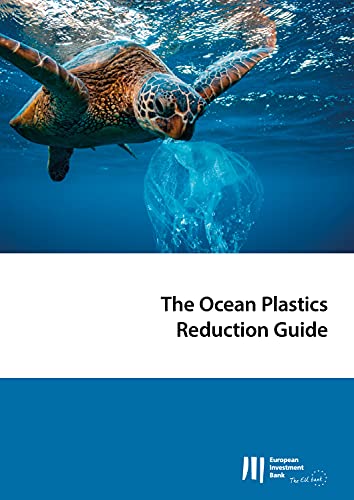
This guide narrows its focus specifically to ocean plastic claims — a category where “ocean-bound plastic” and “recycled from the sea” labels get stretched further than almost any other green claim on the market. Readers note it’s useful for cutting through vague packaging language on reusable bottles, bags, and packaging products specifically. Best for: anyone shopping for plastic-alternative products who wants to verify ocean-plastic claims before buying. Who This Is NOT For: readers wanting a broad overview of all greenwashing categories — this is a narrow, single-topic guide, not a general reference.
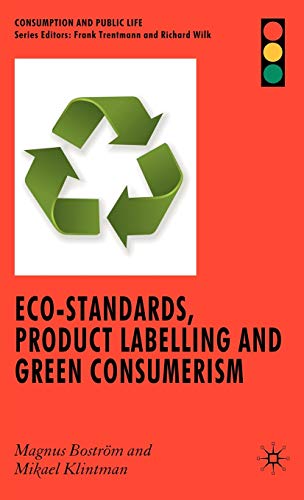
The standout feature is its direct focus on eco-labels and certification standards — the exact seals and logos you’re staring at in-store trying to decide if they’re legitimate. Owners report it’s especially helpful for understanding how EU and international labelling schemes actually get regulated, which pairs well with the European Commission’s own published guidance on environmental claims. Best for: shoppers who want to decode specific certification logos and labelling standards rather than general marketing language. Who This Is NOT For: readers on a tight budget — it’s priced for serious researchers, not casual browsers.
Buyer’s Guide: How to Actually Spot a Fake Eco Claim
Greenwashing works because most environmental claims sound plausible even when they’re empty. Before you trust any label, run it through a few basic checks.
1. Look for Specificity, Not Adjectives
Words like “eco-friendly,” “natural,” or “green” carry no legal weight in most markets. A legitimate claim names a number: “made from 80% post-consumer recycled plastic” or “packaging reduced by 30% since 2022.” If a brand can’t quantify it, treat the claim as marketing filler.
2. Verify the Certification Actually Exists
Third-party certifications (like EU Ecolabel, FSC, or GOTS) are checkable — you can look them up independently. Self-created “seals” designed to look official are one of the most common greenwashing tricks flagged by regulators. The European Commission’s environment directorate publishes guidance on which environmental claims and labels meet regulatory standards across the EU, which is a useful reference point when a logo looks unfamiliar.
3. Check Who’s Making the Claim
A claim printed by the manufacturer on its own packaging is not the same as one verified by an independent auditor. Look for third-party names, audit dates, or certification numbers you can trace.
Pro Tip: Search the exact certification name plus “fake” or “criticism” before you trust it. Real certification bodies have public standards documents; fake ones usually have almost no search footprint outside the brand’s own site.
4. Watch for “Hidden Trade-Off” Claims
A product might be genuinely recyclable while being made in a factory with high emissions, or a “carbon neutral” label might rely entirely on offset purchases rather than reduced output. One true fact doesn’t mean the whole product is sustainable — this is the single most common greenwashing tactic across categories.
Warning: Be especially skeptical of vague “sustainably sourced” claims on fast-fashion and single-use plastic items — these categories account for a disproportionate share of flagged greenwashing complaints in EU consumer protection reviews.
5. Compare Against Official Environmental Data
The European Environment Agency publishes independent data on packaging waste, emissions, and recycling rates by country, which is a solid reality-check against a brand’s self-reported sustainability numbers. If a company’s claim doesn’t roughly line up with independently published environmental data for its industry, that’s a red flag worth digging into further. For more on reading care labels and material claims specifically, see our guide on how to read sustainable fabric and material labels.
If you want a broader foundation before diving into any of these five titles, our zero-waste starter guide for beginners covers the basics of building sustainable buying habits from scratch.
Comparison Table
| Product | Best For | Rating | Price |
|---|---|---|---|
| What Is Greenwashing? | Quick, practical crash course | 5.0 (3) | Check Amazon |
| Eco-Bluff Your Way to Greenism | Budget-friendly, satirical read | 5.0 (1) | Check Amazon |
| Greenwashing: Foundations and Emerging Research | Researchers & professionals | 5.0 (1) | Check current price |
| The Ocean Plastics Reduction Guide | Verifying ocean-plastic claims | 5.0 (1) | Check Amazon |
| Eco-Standards, Product Labelling and Green Consumerism | Decoding certification labels | 5.0 (1) | Check current price |
Frequently Asked Questions
What exactly counts as greenwashing?
Greenwashing is when a company makes environmental claims that are exaggerated, misleading, or entirely unverifiable — like calling a product “eco-friendly” with zero supporting data. It ranges from vague marketing language to fake certification logos designed to look official.
How common is greenwashing in Europe specifically?
European Commission screening exercises have repeatedly found that a large share of environmental claims across member states can’t be substantiated with evidence, which is part of why the EU has been pushing stricter green-claims legislation. That’s also why understanding greenwashing how to spot fake eco products europe matters more now than it did five years ago.
Are third-party eco-certifications always trustworthy?
Not automatically — some certification schemes have looser standards than others, and a few are essentially pay-to-display logos with minimal auditing. Always check whether the certifying body publishes its own standards and audit process publicly.
Can a product be “partly” greenwashed?
Yes, and this is actually the most common form. A brand might use genuinely recycled packaging while sourcing materials through a high-emission supply chain, so one true claim doesn’t verify the whole product’s sustainability.
Do I need an academic book to understand greenwashing, or is a short guide enough?
For everyday shopping decisions, a short practical guide is usually enough to spot the obvious tactics. If you’re researching corporate sustainability communication professionally or academically, a deeper text with citations is worth the extra cost.
What’s the fastest way to check a claim while I’m actually in the store?
Look for a specific number or certification name on the label, then search that exact term on your phone before checking out. If you can’t find independent verification in under a minute, treat the claim skeptically.
Tired of guessing which “eco” labels are actually real? Arm yourself with the exact frameworks brands don’t want you to know.
Start with the guide that fits your goal — quick shopping fixes or deep research — and stop paying a premium for empty marketing claims.
🛒 Check Price on Amazon🌿 Get Your Eco-Swaps Delivered Free
Try Amazon Prime free for 30 days — fast free delivery on sustainable essentials, plus Prime Video and more. Cancel anytime.
Start Your Free Prime TrialAs an Amazon Associate we earn from qualifying purchases.