As an Amazon Associate, WasteZero earns from qualifying purchases. Some links on this page are affiliate links, at no extra cost to you.
Industrial Processes: The Shocking, Damaging Impact on Environmental Sustainability
Industrial processes have a damaging impact on environmental sustainability by consuming vast amounts of energy, releasing greenhouse gases, polluting water and air, and generating significant waste. These activities contribute to climate change and resource depletion, affecting ecosystems and human health across Europe and the world. New to this? Our Best Eco-Friendly Industrial & Scientific Products for European Homes 2026 guide walks through the fundamentals first.
The items we use every day, from our clothes to our smartphones, come from factories. These factories use industrial processes to turn raw materials into finished goods. While this system provides us with many comforts, the industrial processes’ impact on environmental sustainability is a serious concern. They use large amounts of energy and water, creating waste that can harm our shared environment. Understanding this helps us see the bigger picture of our own energy use and waste reduction efforts. This article will explain the key industrial impacts on our environment, look at specific examples, and discuss what is being done to make things better.
What Are Industrial Processes?
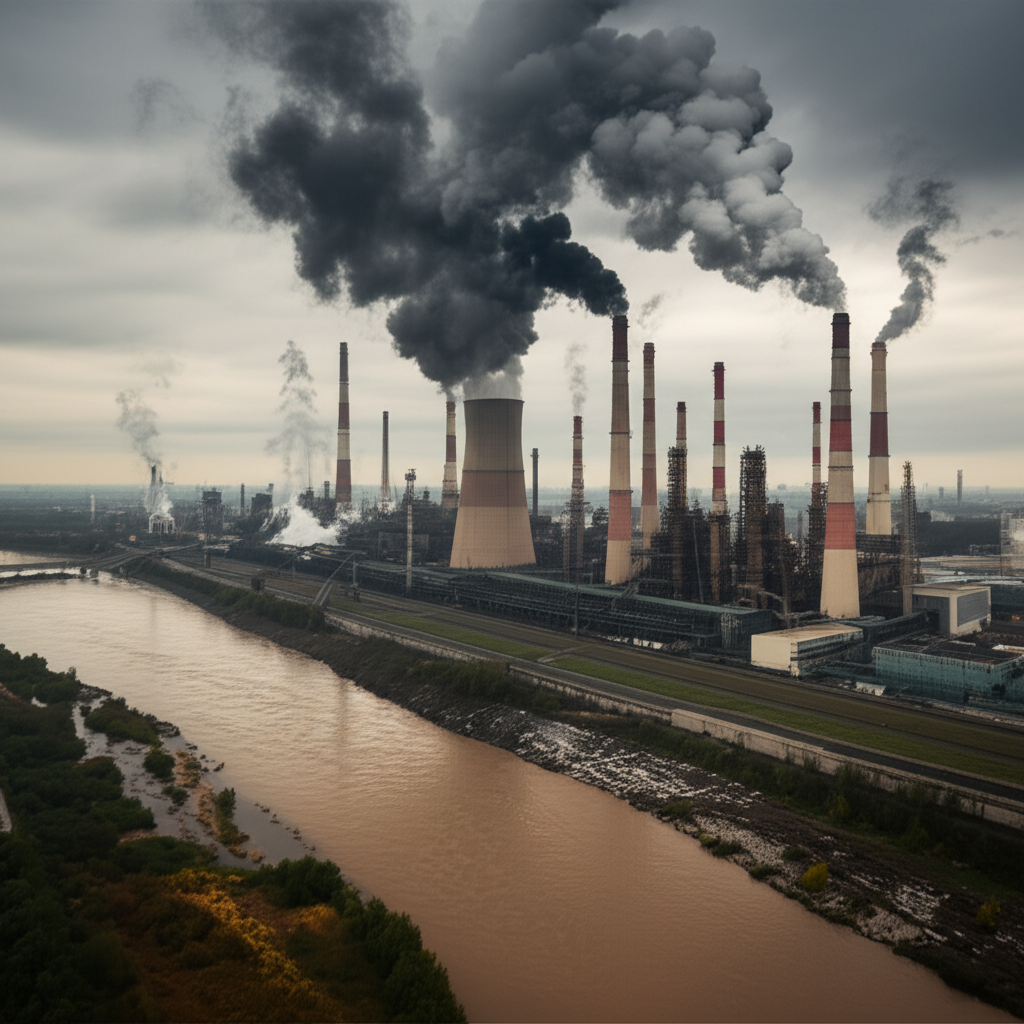
Industrial processes are the steps used to convert raw materials, like oil, wood, or metal ores, into products. This conversion requires huge amounts of energy, often from burning fossil fuels. The goal is to create goods for society, but this activity also produces by-products, many of which are harmful to the environment.
Think of it as a recipe. A factory takes in ingredients (materials), uses an oven (energy), and makes a cake (the product). But it also creates smoke, leftover packaging, and dirty dishes (pollution and waste).
The Core Inputs with Environmental Costs
Every industrial activity relies on a few key inputs, each with its own environmental footprint:
- Energy: Most industrial energy comes from coal, gas, and oil. Burning these fuels releases carbon dioxide (CO2), a primary driver of climate change.
- Raw Materials: Extracting minerals, timber, and other resources can lead to deforestation, habitat destruction, and soil erosion.
- Water: Water is used for cooling machinery, processing materials, and cleaning. It often becomes contaminated with chemicals before being discharged.
The Major Environmental Impacts of Industrial Processes
The consequences of large-scale industrial activity are wide-ranging. They affect the air we breathe, the water we drink, and the land that supports us. Understanding these specific impacts is key to grasping the scale of the challenge.
Greenhouse Gas Emissions and Air Pollution
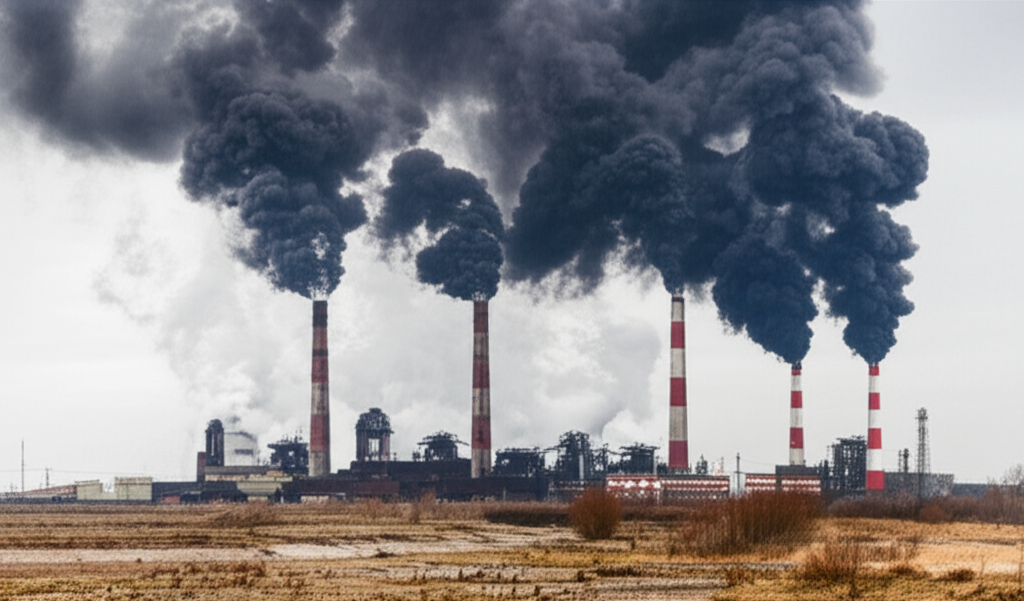
The single largest impact is air pollution. When factories burn fossil fuels for power, they release greenhouse gases. These gases trap heat in the atmosphere, leading to global warming. According to the European Environment Agency, the industrial sector is a significant source of emissions across the EU. Other harmful air pollutants, like sulphur dioxide and nitrogen oxides, can cause acid rain and respiratory problems.
Water Contamination and Usage
Industries are major consumers of fresh water. The water used in processes like textile dyeing or chemical manufacturing can become polluted with heavy metals, solvents, and other toxins. If this wastewater is not treated properly, it can contaminate rivers and groundwater, harming aquatic life and making water unsafe for human use.
Waste Generation and Land Use
Manufacturing creates both solid and hazardous waste. This includes everything from scrap metal and plastic offcuts to toxic chemical sludge. Much of this waste ends up in landfills, taking up valuable land and potentially leaking pollutants into the soil. The land itself is also used for building factories and mining for resources, which can destroy natural ecosystems.
A Closer Look at Key European Industries
Different industries have different environmental footprints. The table below shows a simplified comparison of some major sectors in Europe, highlighting their primary impacts. This helps illustrate how varied the challenges are.
| Industrial Sector | Primary Energy Source | Key Pollutants | Main Waste Product |
|---|---|---|---|
| Cement Production | Coal, Natural Gas | Carbon Dioxide (CO2), Dust | Cement kiln dust |
| Steel Manufacturing | Coal (Coke), Electricity | CO2, Sulphur Dioxide (SO2) | Slag, mill scale |
| Textile Industry | Natural Gas, Electricity | Dyes, chemicals in wastewater | Fabric scraps, chemical sludge |
| Chemicals Production | Natural Gas, Oil | Volatile Organic Compounds (VOCs) | Hazardous chemical waste |
European Regulations and Solutions
Recognising the damaging impact on environmental sustainability, the European Union has implemented strong regulations to control industrial pollution. The focus is now shifting from simply managing waste to preventing it entirely through smarter design and new economic models.
The EU Industrial Emissions Directive
A cornerstone of European policy is the Industrial Emissions Directive (IED). This law sets rules for around 50,000 large industrial installations across the EU. It requires them to use the “Best Available Techniques” (BAT) to prevent or reduce their pollution. The directive covers emissions to air, water, and soil, as well as waste generation, helping to ensure a high level of environmental protection across all member states.
The Shift Towards a Circular Economy
Beyond regulation, a more fundamental shift is underway: the move to a circular economy. This model aims to eliminate waste and keep resources in use for as long as possible. Instead of the old “take-make-dispose” system, a circular approach focuses on:
- Design: Creating products that are durable, easy to repair, and simple to recycle.
- Reuse & Repair: Extending the life of products through maintenance and refurbishment.
- Recycling: Efficiently recovering materials from old products to make new ones.
This approach reduces the need for new raw materials and minimises the energy and pollution associated with both extraction and waste disposal.
FAQs About Industrial Impact on the Environment
What is the single biggest environmental impact of industry?
The single biggest impact is the emission of greenhouse gases, primarily carbon dioxide, from burning fossil fuels for energy. This is the main driver of climate change. It affects global temperatures, weather patterns, and sea levels, making it a widespread and long-term problem for environmental sustainability.
How does industrial pollution affect my daily life in Europe?
Industrial pollution can affect your health through lower air quality, which can worsen respiratory conditions. It can also contaminate local water sources and soil. Additionally, the environmental damage contributes to climate change, leading to more extreme weather events that can impact communities across Europe.
Are all factories equally bad for the environment?
No. The environmental impact of a factory depends heavily on its industry, age, technology, and the local regulations it must follow. Modern facilities using the Best Available Techniques mandated by the EU are generally much cleaner and more efficient than older, less regulated ones.
What is a “carbon footprint” for an industrial product?
A product’s carbon footprint is the total amount of greenhouse gases emitted during its entire life cycle. This includes extracting raw materials, manufacturing, transportation, use, and final disposal. It is a way to measure a product’s overall contribution to climate change.
Can technology help reduce industrial pollution?
Yes, significantly. Technologies like smokestack scrubbers can remove pollutants from air emissions. Advanced water treatment systems can purify wastewater. Furthermore, increasing energy efficiency through better machinery and processes directly reduces fuel consumption and associated greenhouse gas emissions.
What does the EU do to control industrial emissions?
The EU uses regulations like the Industrial Emissions Directive (IED) and the EU Emissions Trading System (ETS). The IED sets pollution limits and requires factories to use the best technology available. The ETS puts a price on carbon emissions, creating a financial incentive for companies to pollute less.
How can I, as a consumer, help reduce industrial impact?
You can help by making more sustainable choices. This includes buying fewer new items, choosing products made from recycled materials, supporting companies with strong environmental policies, and focusing on repairing items instead of replacing them. These actions reduce overall demand, which lessens industrial production.
Conclusion
The impact of industrial processes on our environment is significant and complex. From air and water pollution to resource depletion and waste generation, the way we produce goods poses a major challenge to environmental sustainability. However, understanding these issues is the first step towards finding effective solutions.
Through robust European regulations and the innovative principles of a circular economy, progress is being made. By becoming more aware of the hidden environmental costs behind the products we use, we can better appreciate the importance of energy efficiency, waste reduction, and the collective shift towards a more sustainable future for everyone.
🌿 Get Your Eco-Swaps Delivered Free
Try Amazon Prime free for 30 days — fast free delivery on sustainable essentials, plus Prime Video and more. Cancel anytime.
Start Your Free Prime TrialAs an Amazon Associate we earn from qualifying purchases.